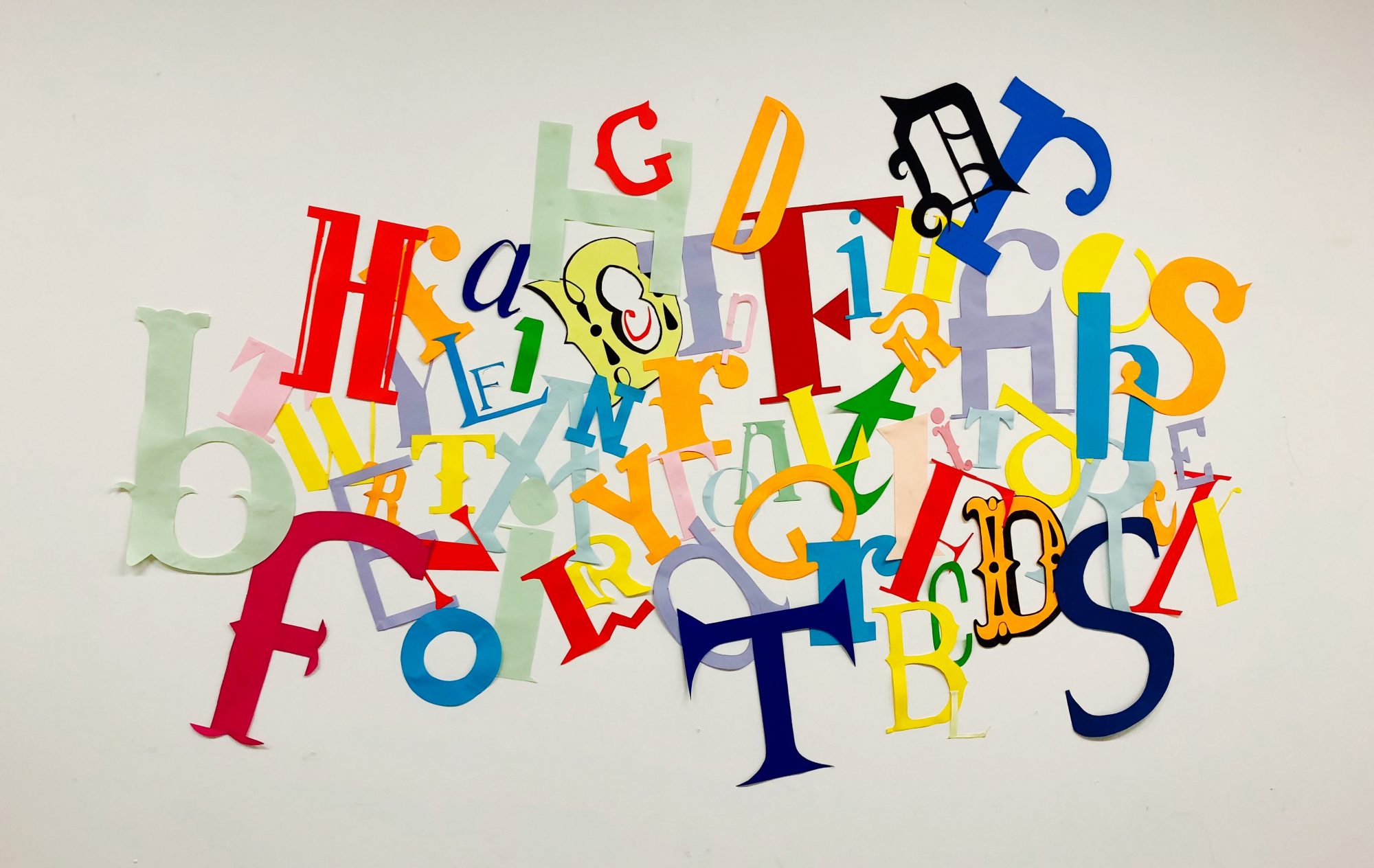
After deciding on our manifesto, as a group we carried out research into other areas within the media in which mental health is portrayed. Our initial thoughts were to look into areas of mental health in the media that we think have been portrayed in a glamorised manor, so we could identify exactly what we thought was the issue.
Firstly, Shannon found a brand called ‘ban.do’ who released some controversial gold necklaces with words such as ‘depression’ and ‘anxiety’ on them. The company selling them stated when they were initially brought out that they were a way to open up about mental illnesses and not keep them bottled up, they were using the necklaces as a way to raise awareness. However, although many recognised the intentions were there, the majority of people were outraged and said that raising awareness should show just how demoralising and brutal it is to have one of these mental illnesses, not by a gold necklace which is designed to be “cool” or “pretty”. “My depression and anxiety and other mental illnesses are not your fashion statement.” and “It’s just a bit odd to walk around with the word depression literally in gold around your neck as if its some kind of wonderful label for us.” were just a few tweets in response. Others said wearing those words around your neck as a way to raise awareness could likely “exacerbate feelings of isolation even more”. People also said that people who may not necessarily suffer with a mental illness may wear the jewellery anyway, so there are worries that it may start up a trend for the wrong reasons.
Romanticising mental health issues feeds mental health stigma and creates false representations, for example, in the Netflix show ’13 Reasons Why’ mental health professionals are concerned of how the teen drama portrayed suicide to its young audience. The show depicts mental health issues, especially suicide, in a false way. Alexa Curtis explains in a Rolling Stone blog post that she found the aftermath of main character Hannah’s suicide troubling. In real life, when someone commits suicide, their story ends there. “’13 Reasons Why’ failed to end Baker’s story, since she lives on through the tapes. We become captivated by the drama of the suicide rather than the actual suicide itself.” However, many viewers argued that ’13 Reasons Why’ showed the brutal reality of suicide, but the creators still failed to shoe the viewers other ways of getting help, for example, like therapy.
We also spoke about the tv show ’13 Reasons Why’ and found out that there was a very mixed response to the tv show. Many felt as though the show portrayed a very wrong image of suicide to it’s viewers, the main issue being the fact that even after committing suicide, ‘Hannah’ never really died and stars in the remainder of the show as she lives on through the tapes. Many experts stated that with everything going on within the drama, people are forgetting that a girl has committed suicide, and are more interested in finding out about her life. This sparked a small debate within our group as an individual stated that there could also be the point of view that ‘Hannah’ does not stay alive, she just lives on in the memory of the other characters. Although this was a great point and we agreed, however after talking about it we all felt as though the harsh reality of the suicide was not really shown. The idea of someone committing suicide is very harrowing, however 13 Reasons Why was far too easy to watch and did not show how brutal the topic really is.
I then looked into existing mental health campaigns and found a variety of different designs.
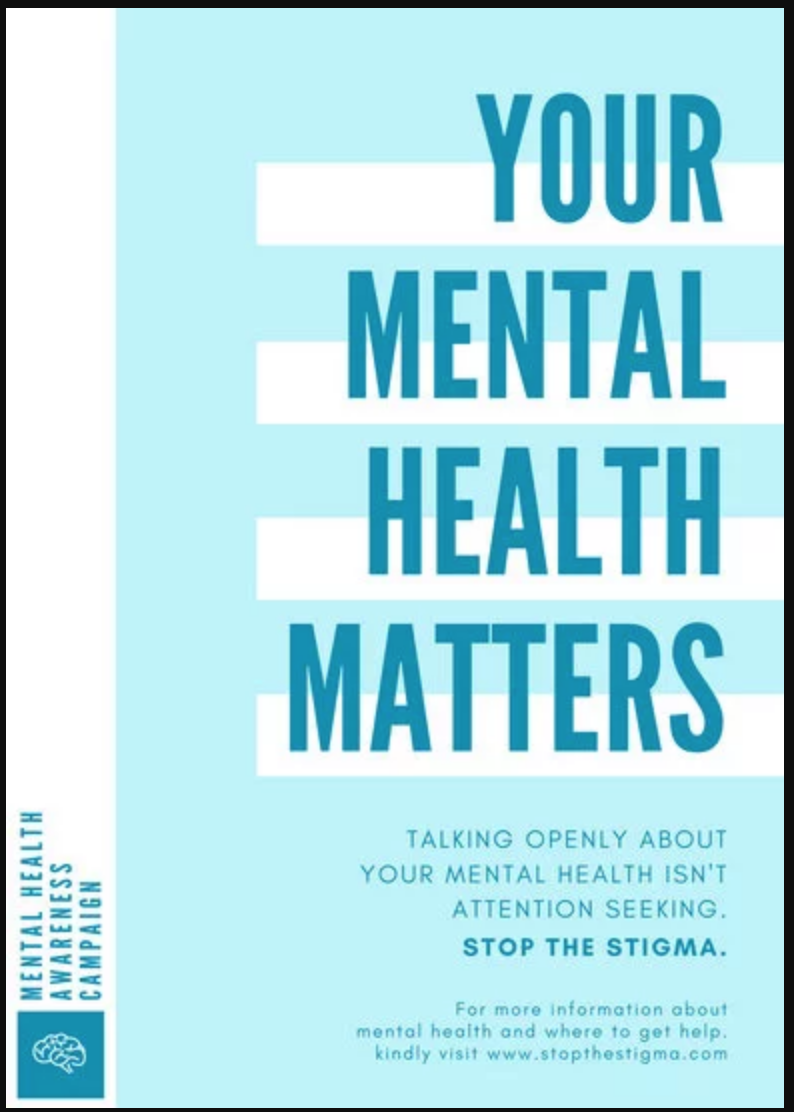
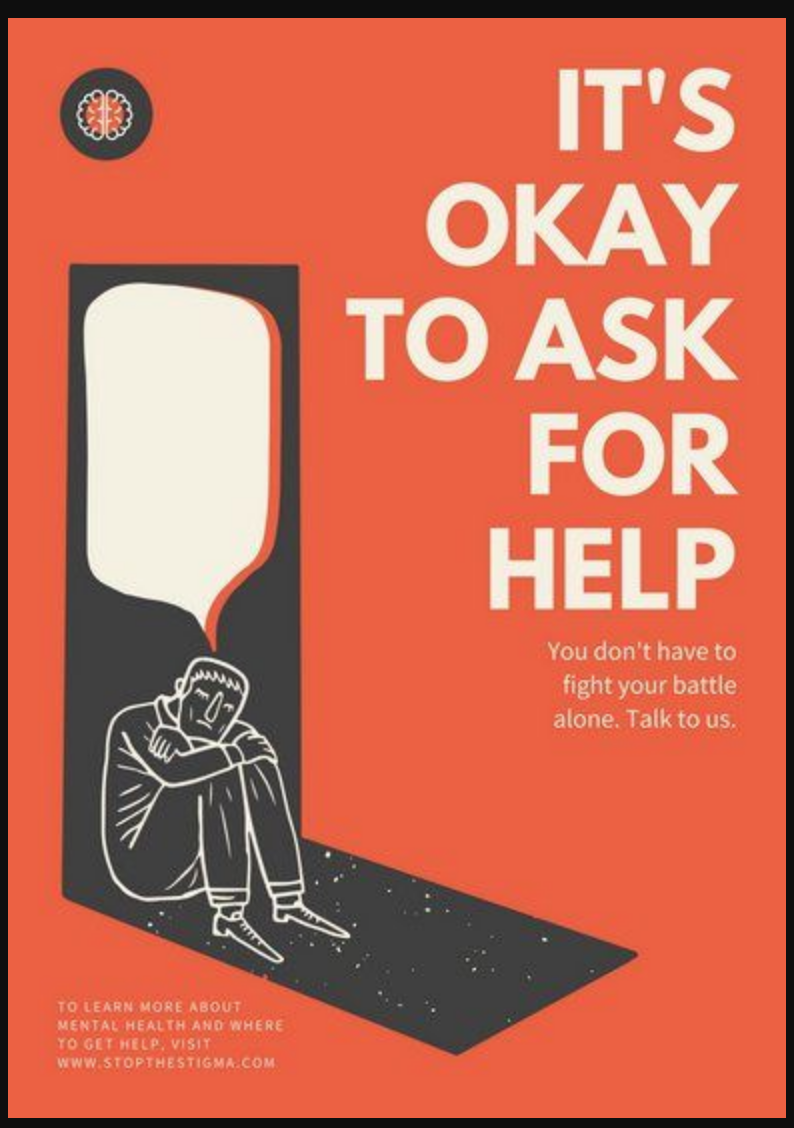
The above images were just 2 examples which we found which just backed up our point. The posters above contain pastel colours which lower the mood and make you ‘think happier thoughts’, however sometimes when thinking about the topic of mental health, happier thoughts need to be left behind. The message on these types of adverts are all about showing people with mental illnesses that there is someone to turn to for advice, however we believe there isn’t enough advertising which aims to help people without mental illnesses understand how it feels. Our protest is all about telling people that mental health isn’t always as it is portrayed on the media, replacing ‘raising awareness’ with ‘promoting understanding’ as Shannon described it.
https://stopromanticizingthingsthathurt.weebly.com/the-romanticism-of-mental-illness.html
https://www.cosmopolitan.com/entertainment/a20675573/13-reasons-why-criticism-problems/
 Ben Jackson