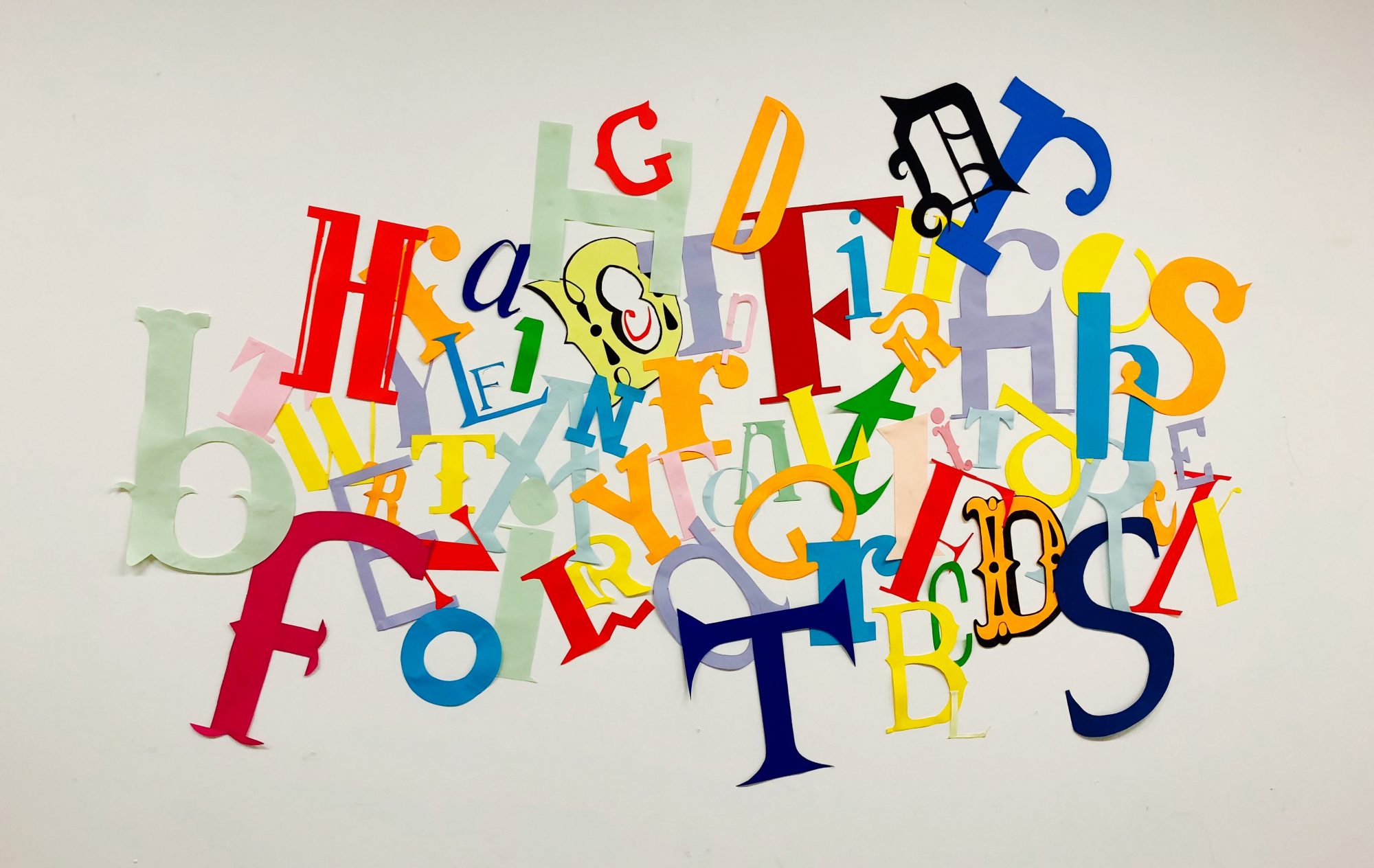
Our first session consisted of a run through of the timetable as well as the essential project information, followed by an introduction into the project and what was expected of us, as well as an array of examples of ‘Object’ displays both inside or outside.
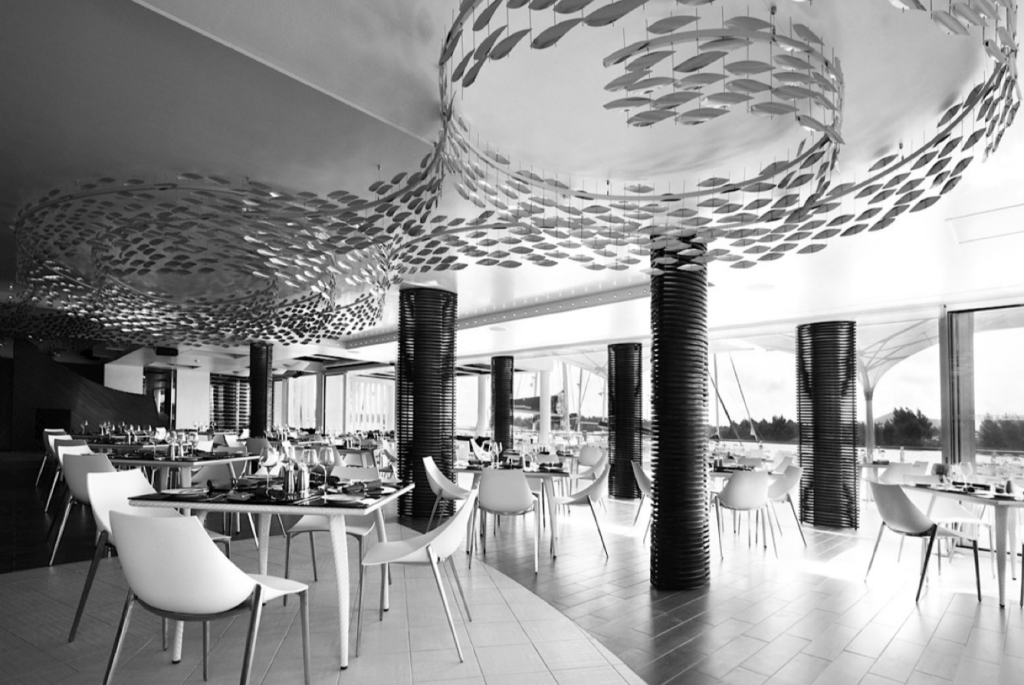
Although I had a brief overall idea of what the project was about, I was still slightly confused about what specifically was being asked of us and what exactly was meant by creating an object display. The first thing which really struck a cord for me was the theory discussed surrounding the fish. Next to water, the school of fish gives a very calming, aquatic feel resembling water and the sea, however the second image shows the school of fish within a restaurant which gives a very contrasting feeling and clearly gives the aura of seafood. This example outlined for me that the way objects are placed within a space can make a large difference to the way it’s perceived. The other thing which really stood out to me within this introduction was the idea that the object, although being the main focus behind the display, is often only a small part of the what the display is presenting.

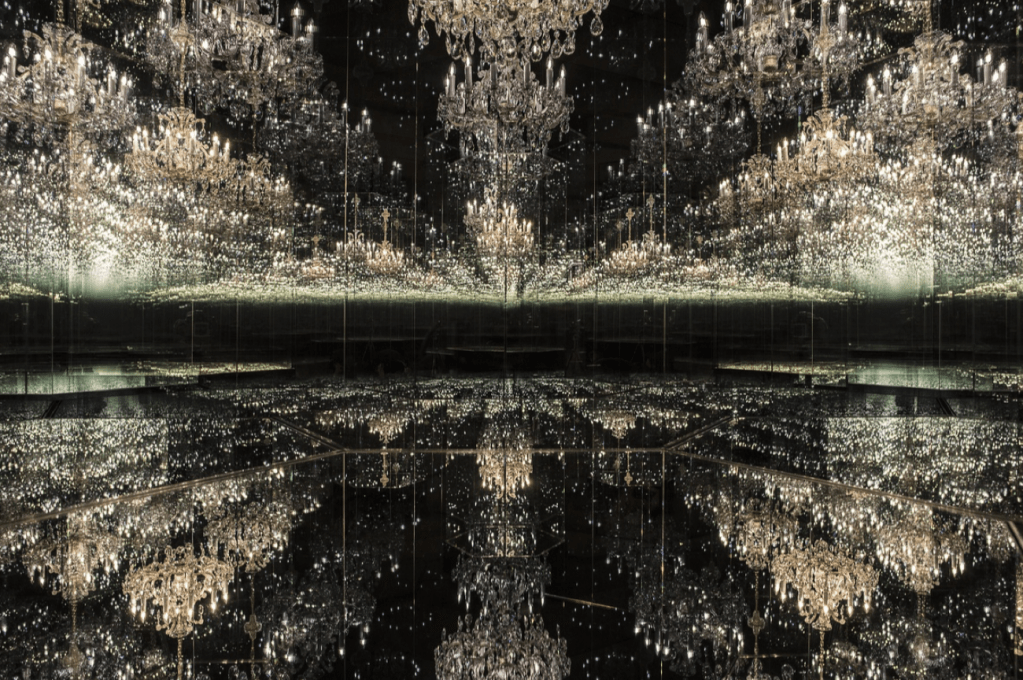
The examples which really made me think and inspired me were those which took some more simple, everyday objects and took them out of their original uses or meanings and placed them into a new concepts and scenarios which really make the viewers think. In Yayoi Kusama’s ‘Chandelier of Grief’ in 2016 took chandeliers which typically would be used for lighting within a room, and placed in into a dark room filled with mirrors and completely changed the aesthetic of what a chandelier would usually look like inside a room. Not only does it take a chandelier into new perspective, it leaves a lot to the imagination and allows the viewer to make their mind up about what it means and what to think about it.
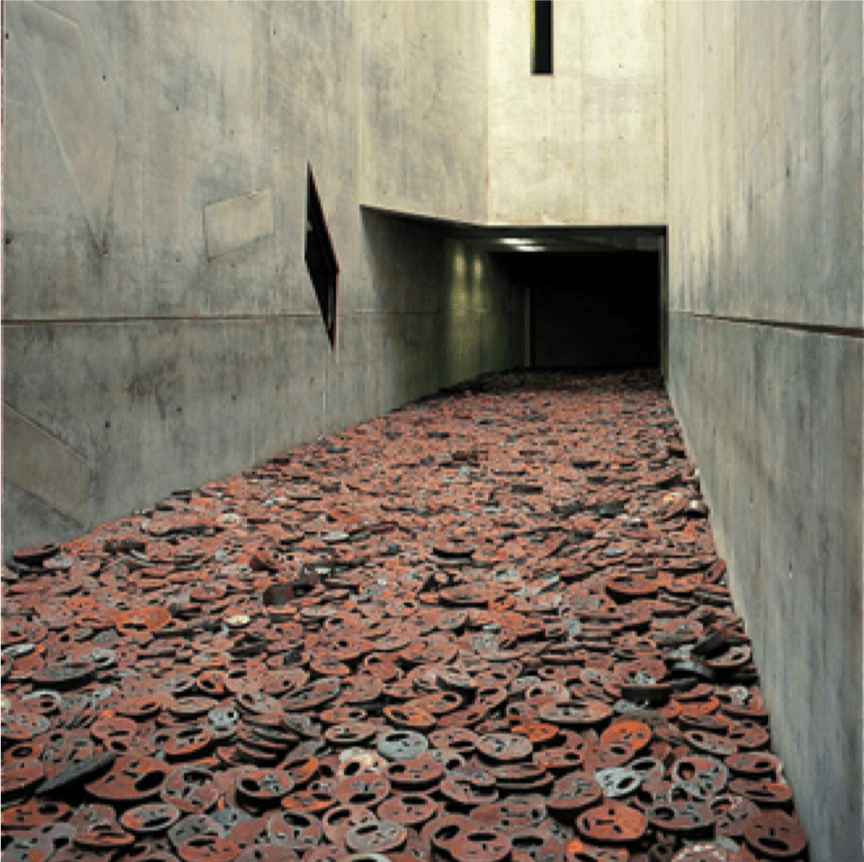
Some of the examples also used the objects within the display to tell a story about particular events throughout history, or even to guide the viewer through a particular event, for example ‘Shalekhet (Fallen Leaves)’ The Memory Void, Jewish Museum Berlin 1997-2001 by Menashe Kadishman uses the feeling of walking through the display to make the viewer feel a particular way, when walking through the exhibit.
 Ben Jackson