Although all 3 initial ideas where all ideas which really jumped out to me as being instantly interesting, so much of a focus this year has been put on design for good rather than commercial work, and although commercial work is something which I am still interested in doing when I leave Uni, I want to take the opportunity to do something which may make a difference to someone in some aspect.
First off, I wanted to look into the governments response and the different aspects of it which have made up the last year in the UK to start to understand the way in which the project might take shape.
First of all I looked to list a few of the first things I think about when I consider the governments response, taking knowledge from criticality research and also some of what I’ve seen online about some of the vital parts.
Lockdown –
Mass gatherings are to be banned across the UK from next weekend, the government has announced after Boris Johnson’s cautious approach to the coronavirus outbreak was overtaken by care homes, sporting bodies and even the Queen taking matters into their own hands.
On Thursday, despite formally moving to the delay stage of the coronavirus action plan and warning that many more families would “lose loved onesbefore their time”, the prime minister stopped short of calling for mass events to be cancelled or schools to be closed. There was no specific advice for how older people should protect themselves, aside from avoiding going on cruises.
On Friday, the World Health Organization stressed the need for a range of measures to tackle the virus, which is thought to have infected up to 10,000 people in the UK, most of them unknowingly because they are not showing any symptoms.
The WHO director general, Dr Tedros Adhanom Ghebreyesus, said all possible action should be taken: “Not testing alone. Not contact tracing alone. Not quarantine alone. Not social distancing alone. Do it all.”
Hours later, in a significant change of track, Downing Street signalled it was preparing to stop large public events, including sports fixtures and concerts, to alleviate the pressure on police and the ambulance service. It did not specify what size of event would be affected, and the timing of the clampdown has yet to be decided, but it is expected to come into force in a week’s time.
https://www.theguardian.com/world/2020/mar/13/uk-to-ban-mass-gatherings-in-coronavirus-u-turn
there has been talk since the very first lockdown that the government took action far too slowly, lockdown was needed at a much earlier point to save lives and stop the virus from infecting too many people along the way. There was also talk of a second lockdown coming too slowly, although many people struggled throughout lockdown and didn’t necessarily want it to happen, when you look at facts and figures about infection rates and unfortunately death rates, it definitely seems as though the government allowed ‘normal’ life to continue for too long and although there will never be any way of officially proving this right or wrong, the way other countries such as New Zealand have handled lockdowns both local and global really shows what can happen when you act proactively.
Covid Briefings
Consider this rule of thumb: the more that “patriotism” is invoked by a country’s political elites, the less healthy its political culture will be. From McCarthyism in the US to the Chinese Cultural Revolution, the imperative to love one’s country has often been used as a pretext for persecution and submission. And in post-Brexit pandemic Britain, we have developed our own grammar of patriotic intimidation.
The Conservative government is well positioned to play this game. It is already high on the fumes of Brexit, which carried the Tories to a majority that would allow them to vanquish Europe, take back control and get the job done. The Vote Leave veterans in No 10 are already aware of how well the language of treachery and sabotage can turn a section of the public against its own judiciary and even elected representatives. The kind of war talk that helped secure Brexit is now proving useful in managing the government’s calamitous Covid strategy.Advertisementhttps://2f46c5f8c3905df324ffcfc330204cde.safeframe.googlesyndication.com/safeframe/1-0-38/html/container.html
Among the government’s many gambits for deflecting blame – in between the lies, scapegoating and occasional snarls of menace when questioned too closely – a sinister implication has begun to linger. It whispers: why don’t our critics love this country? Challenges to the government’s inept management of the crisis are depicted as nasty efforts to “politicise” the pandemic; worried northern mayors and MPs are “taking advantage” of a difficult situation to “score political points”. Public behaviour that obeys government instruction is a duty. Going to the pub is not a pastime, but an exercising of Britons’ “patriotic best”. Boris Johnson compares Covid-19 to all the other “alien invaders” that this country has “seen off” over a thousand years – positioning critique of his public health strategy as a traitorous undermining of a wartime government. Any criticism of the failing privatised test and trace programme has been hastily recast as an unpatriotic attack on “our NHS”.
https://www.theguardian.com/commentisfree/2020/oct/19/patriotism-last-refuge-scandalous-government
The public information briefings that occurred at about 5 pm each day from Downing Street during the first lockdown in spring and summer of 2020 were episodes in propaganda straight out of the wartime playbook. Rather than being ‘public information’ events as they were so described, they were in fact filled with ‘strategic communications’ intent on manipulating the public to the ends of the powerful. They were carefully staged, choreographed and scripted by spin doctors and other political communications professionals working for a government that is addicted to propaganda and cannot fathom engagement in public communications through any other prism.
Furthermore, the UK government’s approach to Coronavirus briefings in the first half of 2020 may harm the long-term trust of the public in governance and the various organs of state that are entwined with the crisis. Public Health England, for example. Indeed, Chris Witty, Patrick Valance, Jenny Harries et al – by standing next to the cabinet minister of the day – may end up tainted as manipulators-in-chief themselves through their (and the organisations that they represent) implicit endorsement of the government’s approach to public communications.
The Covid briefings each week which happened most weeks throughout the majority of the pandemic were claimed to be public information briefings, however it was clear from the off that it was less about giving information and more about persuading the public that the choices they had made and everything they were doing was all the best way to handle the issue. They used motivation and in many cases patriotism to strive the public forward and stop them from discussing the governments actions. Was this seen as the best way to do things overall or was it more to steer the public eye away from their actions?
NHS
The government confirmed that 1bn items of personal protective equipment (PPE) were to have been delivered across the UK by this weekend – but hospitals and care homes continued to suffer shortages, in particular of gowns. More than 50 frontline healthcare workers have died amid fears a lack of PPE is leaving them exposed.
Prof Keith Willett, who has been leading NHS England’s response to the coronavirus crisis, helped formulate the new PHE guidance, which is being sent to all 217 trusts in England.
It sets out options for what frontline staff should do when they cannot access gowns. They include hospitals that still have gowns lending each other batches of them, wearing coveralls – one-piece items of personal protective equipment (PPE) that cover the whole body – and using plastic aprons as alternatives.
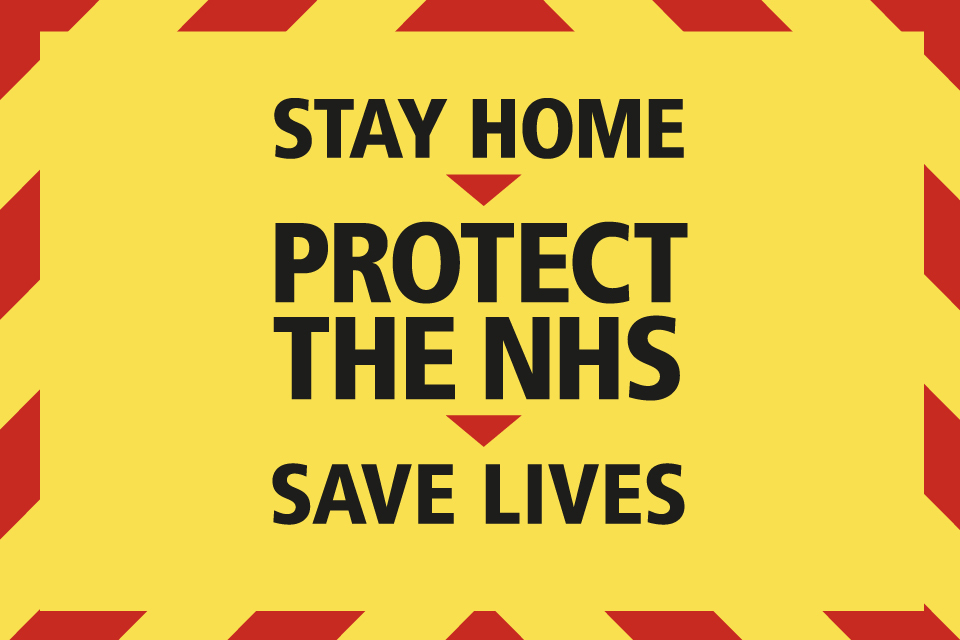
The NHS was a saving grace throughout the pandemics and the government openly showed their thanks through weekly NHS claps and constantly praising them, even using them within one of their many slogans. However, the difference between praising the NHS and helping them is a big one, and whilst Boris called for the NHS clap, it seems as though he didn’t offer much help other than that. This links back again to the idea of propaganda within the governments briefings, motivational speeches praising the NHS all to make it seem as though the problem was being solved, but was it?
 Ben Jackson