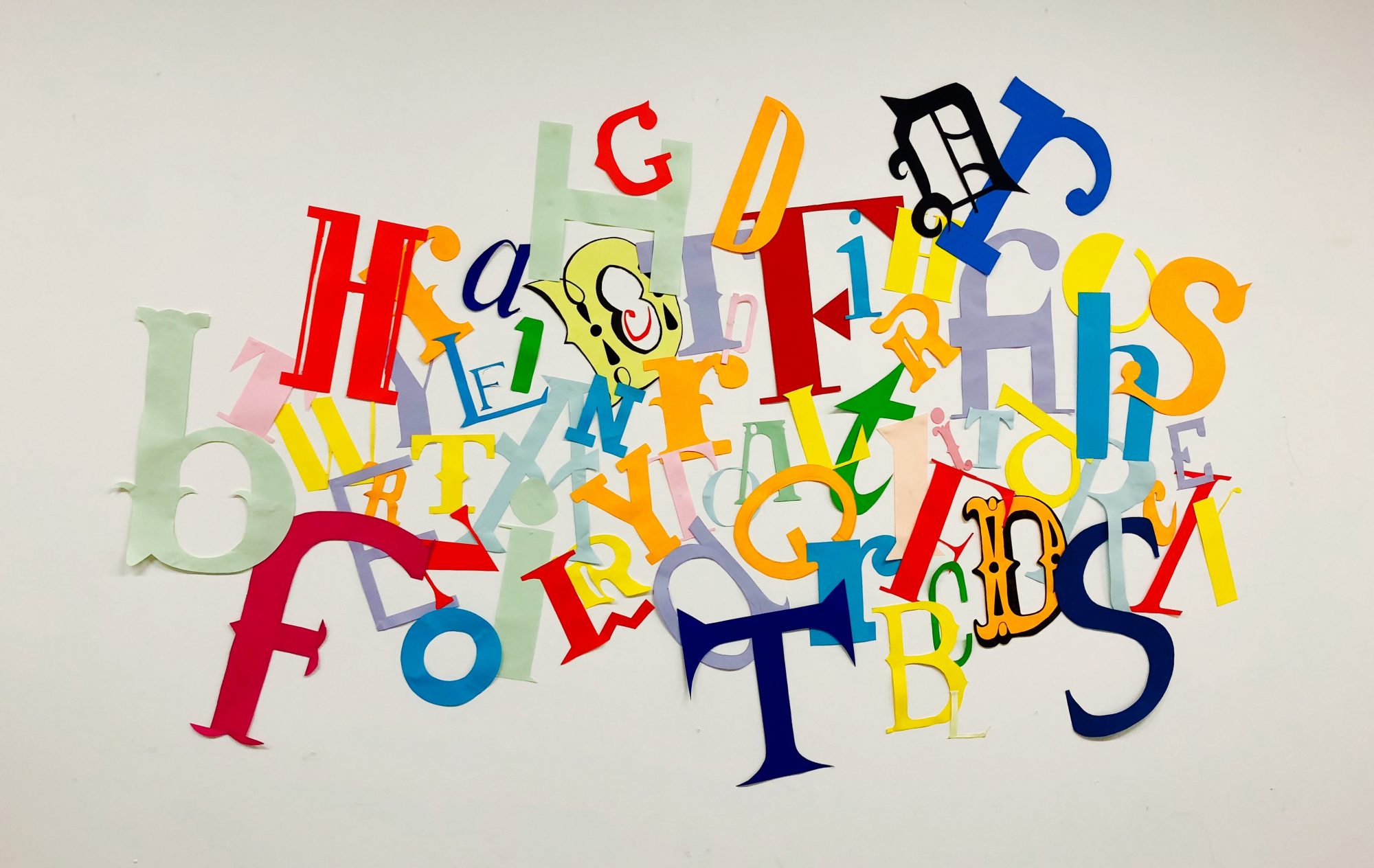
Editorial – Images

After speaking with David he agreed that the idea of the black hole showing falling and fear, as well as using the style of illusions and expressive typography to do this. He advised me to continue looking into my ideas and carry out some research into similar styles, looking at the feelings they bring about and how they do this through their style and colours.

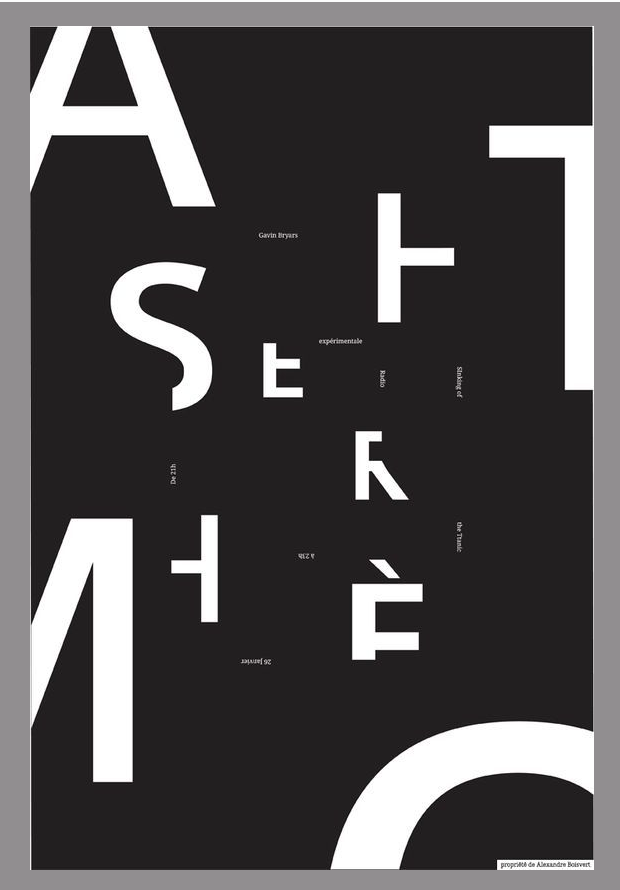
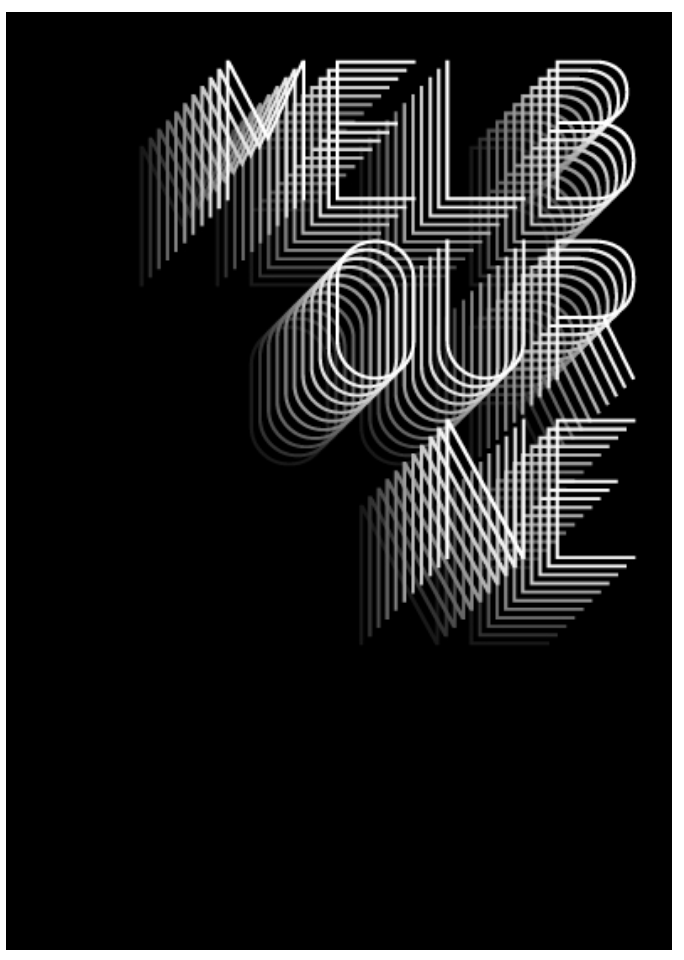
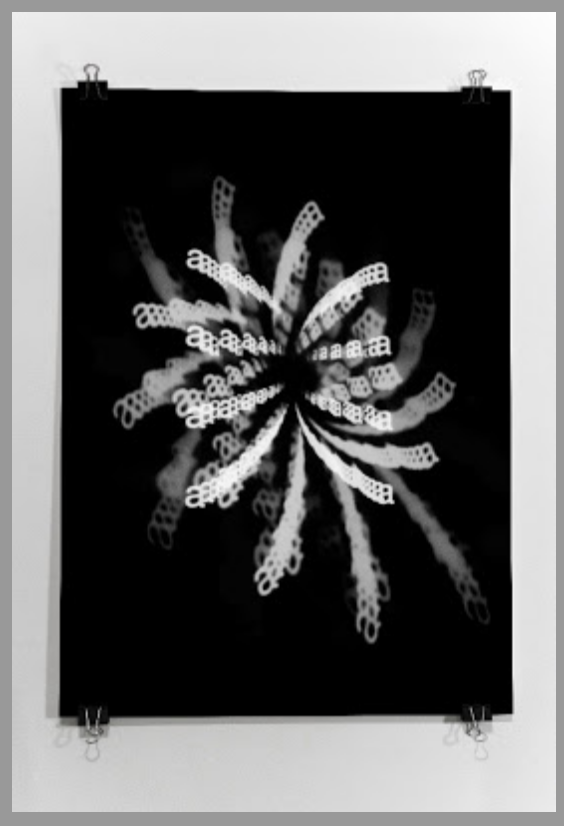
First off I carried out some research to gain some influence on how to design my images. All the images I chose below are the style of work I am looking for and all portray similar feelings. Each of the images I found gave some sense of falling, whether it’s falling from the top of the page to the bottom, or falling and fading into the centre of the page. Not only does it give a sense of falling but also the thoughts and feelings one my have when falling from thousands of feet in the air. They all have a feeling of movement which is brought about by either just changing the scale or in some cases changing the opacity to give the feeling of fading away. The majority of the examples I could find were in black and white which gives them all a very clean modern aesthetic, it also gives it a feel or darkness or fear which I want to portray in the article. I noticed that lots of examples I could find use text as the images as opposed to lines or shapes, not only does this illustrate the point but it also means I can easily add text from important words or quotes from the article.
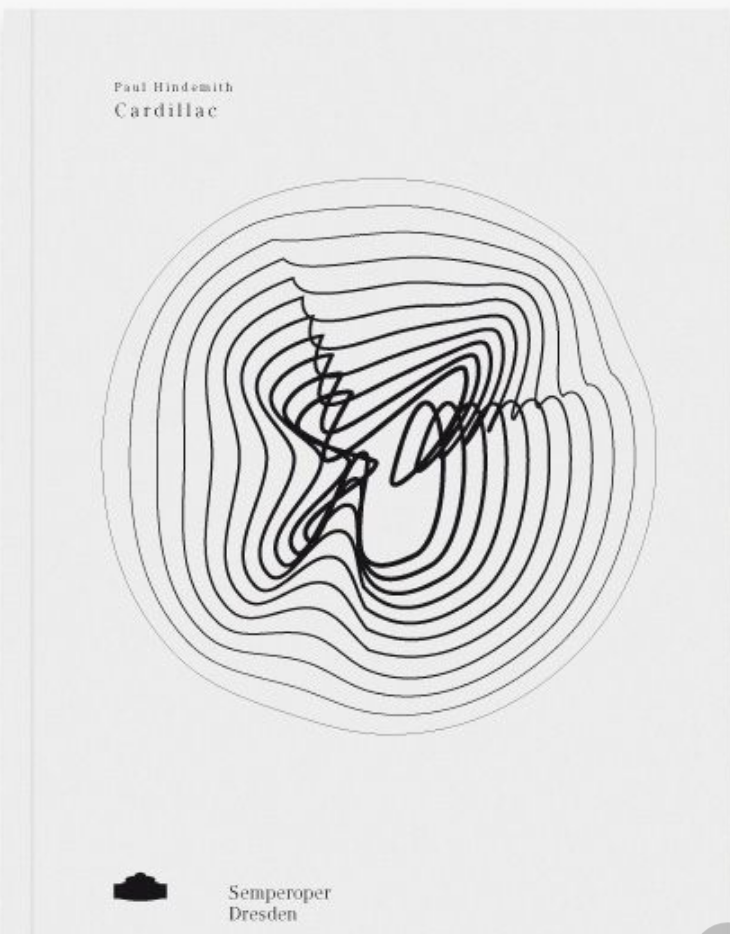
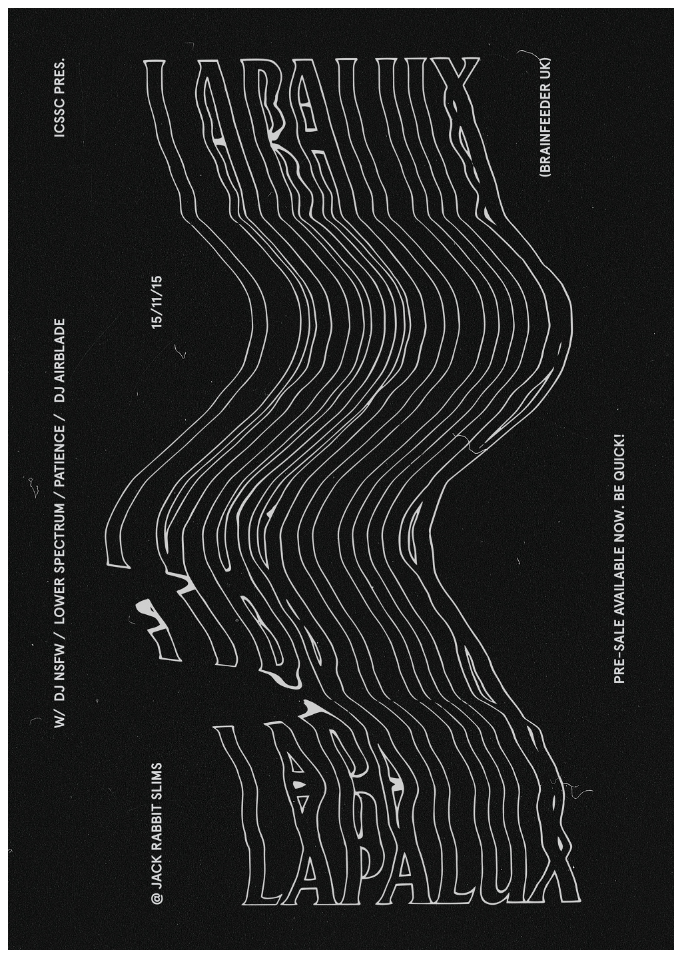
I decided to design a series of images taking influence from my research, creating one large image to be the centre piece of each page. I reviewed the article and looked at the paragraph in which I took the influence for my layout to take the most important quotes to sum up “yes, fear and no”.

Dave McDonnell, an English friend of Le Gallou’s, said that before he quit base jumping, he used to hear three distinct internal voices at the exit point, which he called “Yes,” “Fear” and “No.” “If you’re all tuned in, there’s ‘Yes,’ ” he said. “On the mediocre days, there are two other voices­. One’s ‘Fear.’ Your body is screaming out at you, ‘Don’t do this,’ because it’s dangerous, unnatural. You’re there to conquer your fear. But there’s another voice that hangs around every now and again, and that’s called ‘No.’ Something’s not right. You can never put your finger on it — it could be something in your pack job, or the weather, or the people you’re jumping with, or your mind-set. It’s just, ‘Walk away, don’t go jumping today.’ The difficulty is trying to discern between ‘Fear’ and ‘No,’ because they’re both telling you the same thing. ‘No’ is your sixth sense that’s trying to save your life.” Whatever voice Le Gallou heard that morning, he jumped.

I chose a phrase for each page which I thought encapsulated the feeling i wanted to convey within each page an each image. I thought i could use the phrase or words from the phrase within the image and could therefor also use the images and headers for each spread.

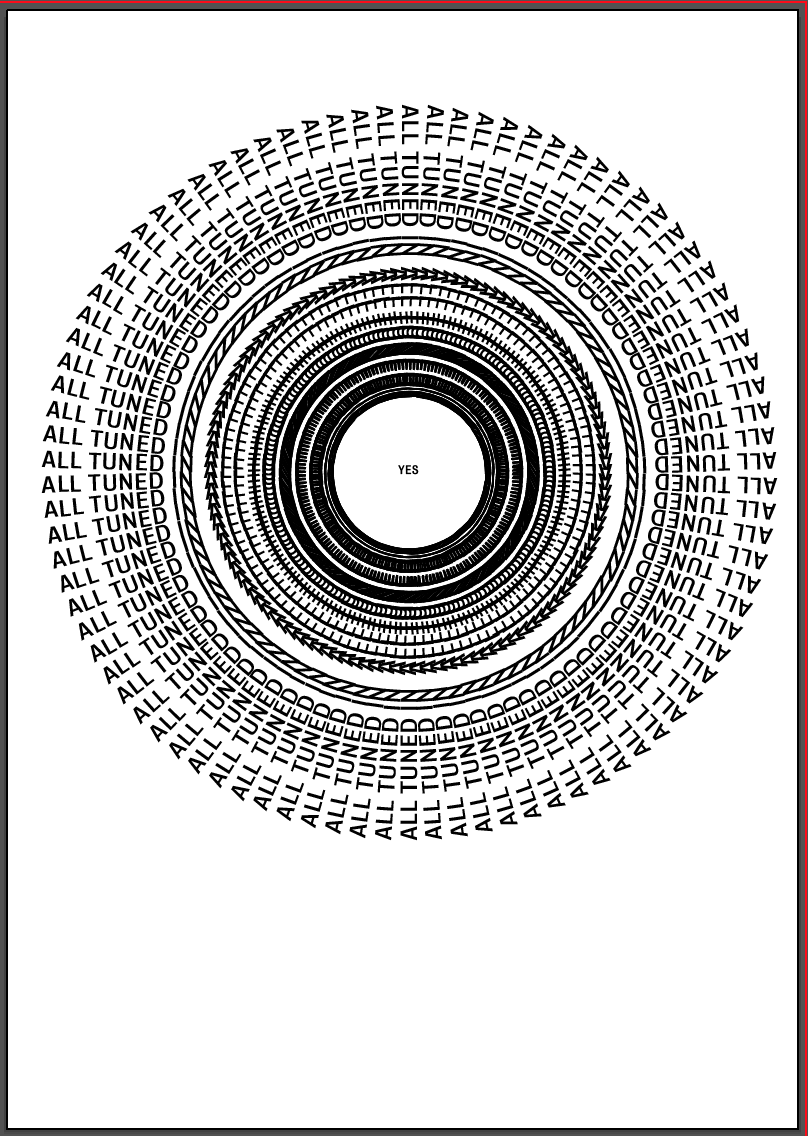
Image 1 – “If you’re all tuned in, there’s ‘Yes,’ “
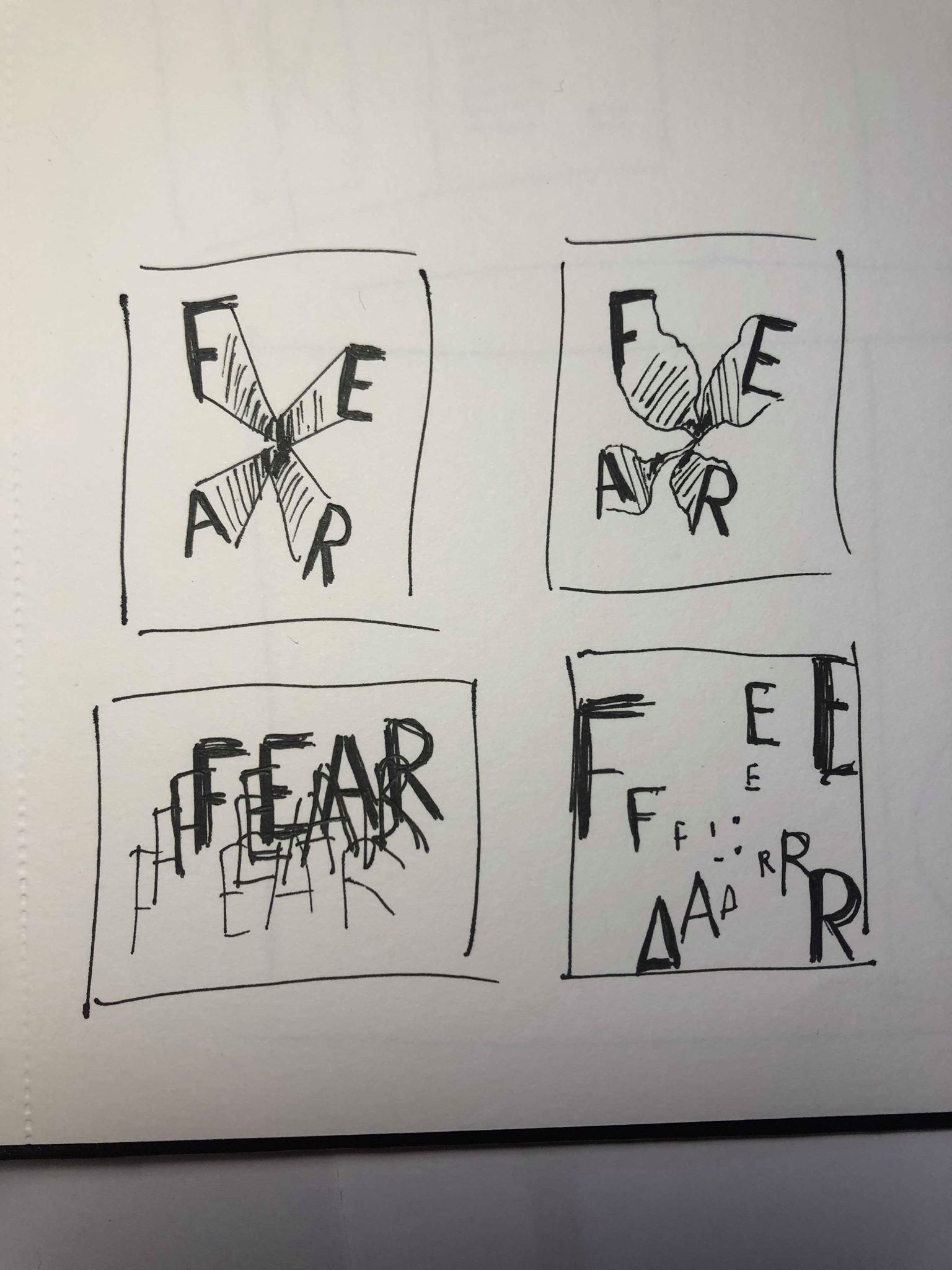
The first spread is all about “YES”. What I took away from this in the article was that YES is the day when everything goes perfectly and runs smoothly, although the fear of jumping and the actual jump is scary and full of fear. I wanted to show the fear in the image and the maintain the aspect of La Gallou falling or being sucked in, but keep it clean and organised at the same time.
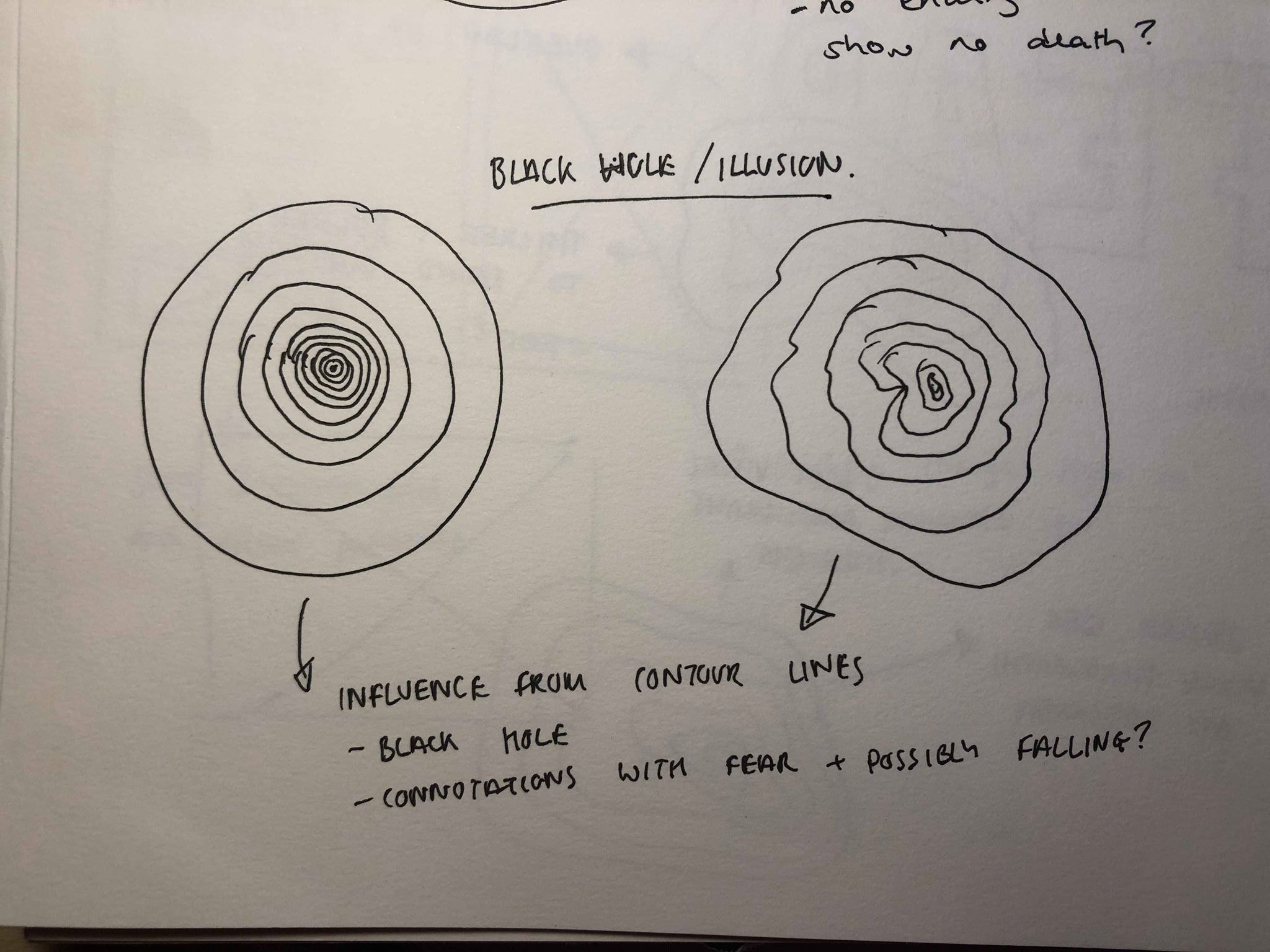
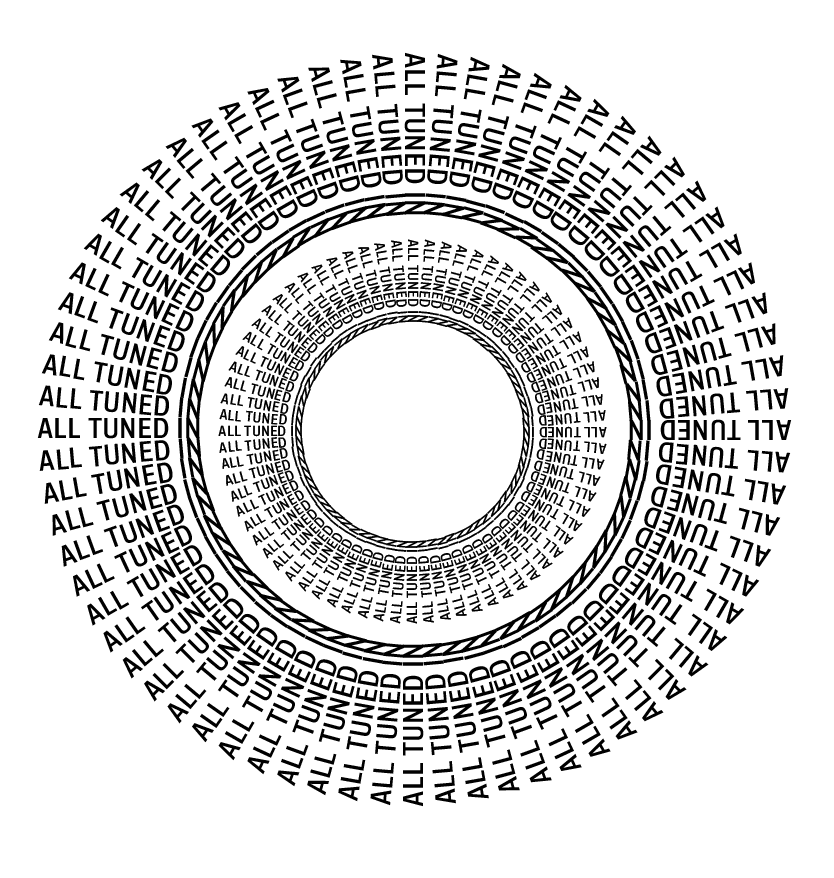
My first idea stemmed from looking into map contour lines and optical illusions. Both of which use lines of different thicknesses to create the illusion of height, whether it’s something raising off the ground or being sucked into it. I wanted to create this illusion of being sucked into a ‘black hole’. Instead of using lines used the quote “all tuned in” as I thought I could use the image as a heading for the spread, it would illustrate the message as well as describe it to the audience. I wanted the image to be clean and structured to illustrate the idea of “YES” being when everything goes to plan, or in this case when “all tuned in”. Although both work well, I think the idea on the left is too simple and doesn’t illustrate the idea of a black hole well enough, whereas I think the idea on the right looks too messy and may be better suited to
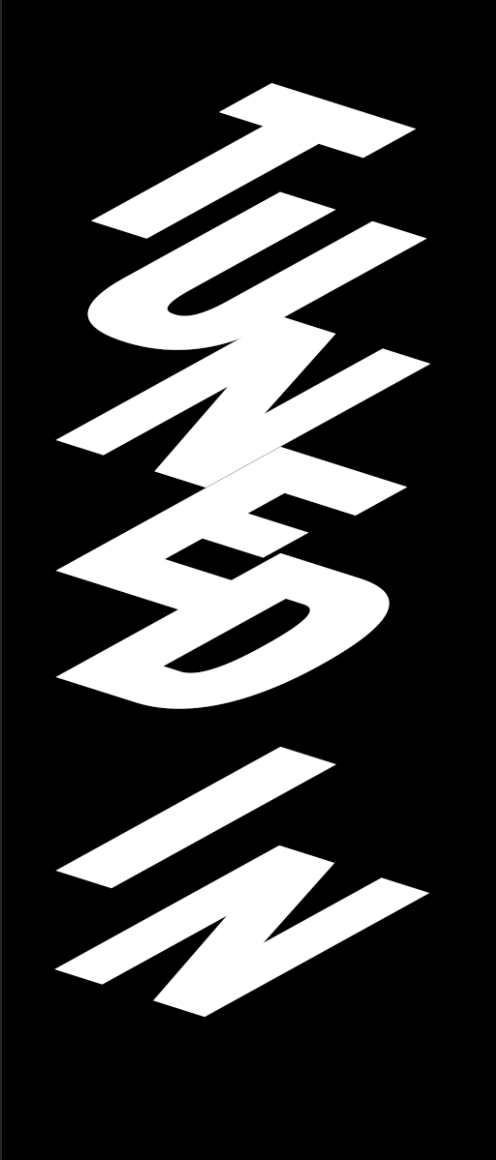
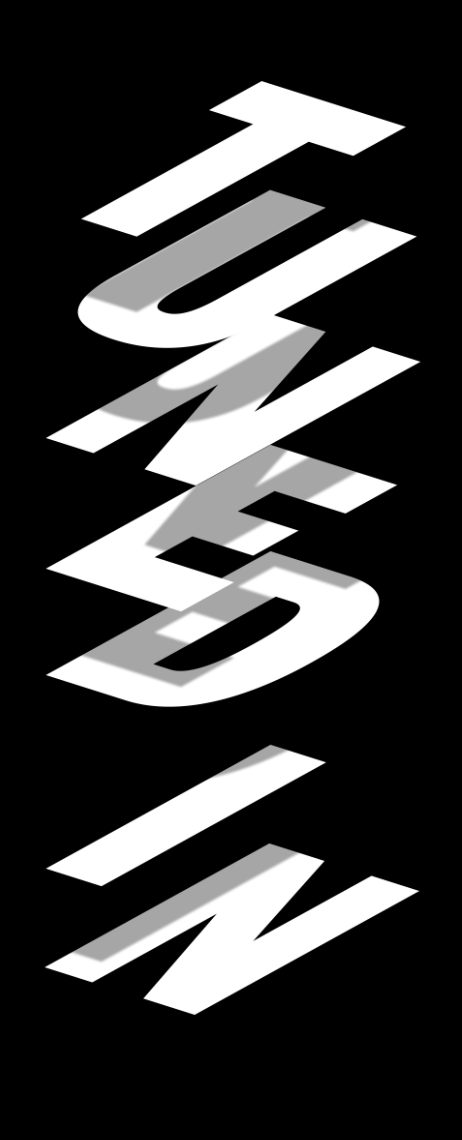
My first idea was simple, I rotated each letter and placed them all on top of each other to give the effect of each letter being piled on top of the other. I later added the shadows as it reiterates the idea of them being on top of each other, almost looking like they are falling on top of each other. The black background fits in with the monochrome theme and keeps to the idea of fear and darkness in the background. Again, I kept it looking clean and structured.

Image 2 – “Don’t do this. It’s dangerous, unnatural. You’re there to conquer your ‘FEAR’.”

For my image for my “FEAR” spread I chose to use the same idea I first looked at for the previous page, I decided not to use it for “YES” because I decided it looked a bit messy and did not fit in with the idea of that spread, however I think it would be much more suited to this page where I want my image to be styled more like that.
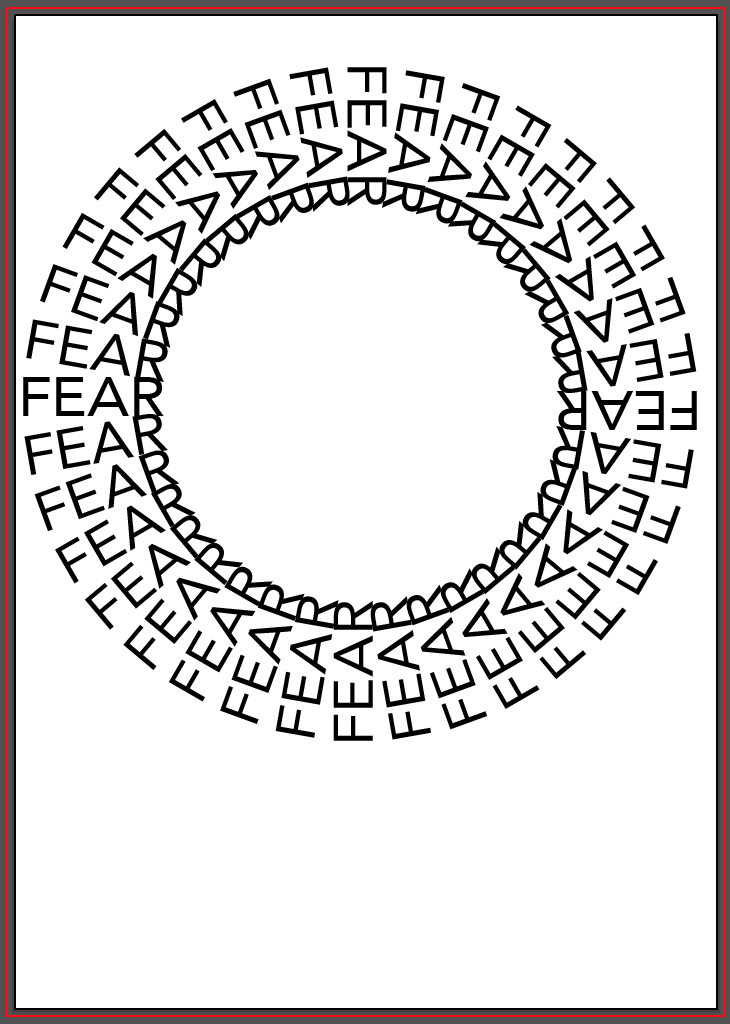
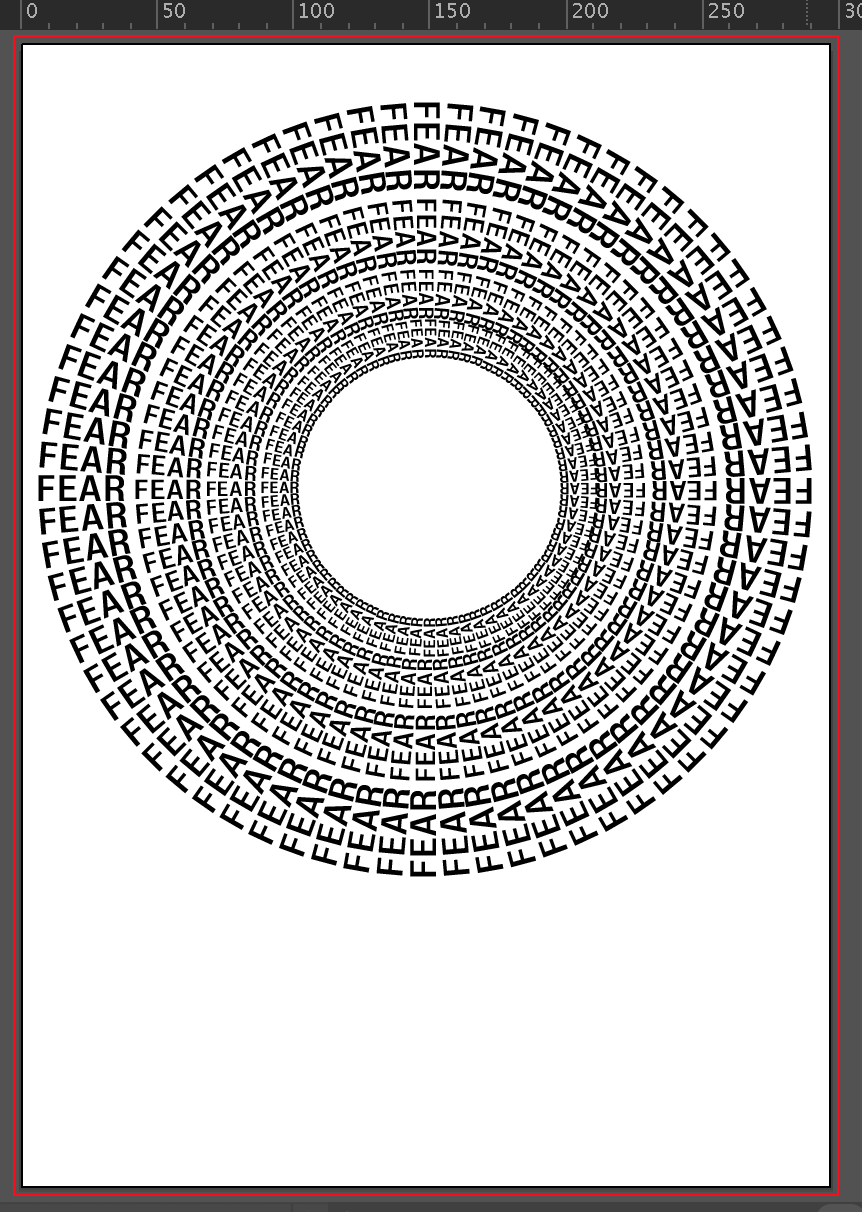
I used the same process as before to create some more examples of this idea, using the words ‘FEAR’ as this is the standout word used to describe jumping with fear in the article. As I did before I wanted to give the feel of an illusion which would make the reader feel like they’re falling or being sucked into the screen. The influence was taken from an earlier idea I had of a black hole of which is never ending and also has connotations with fear and falling.
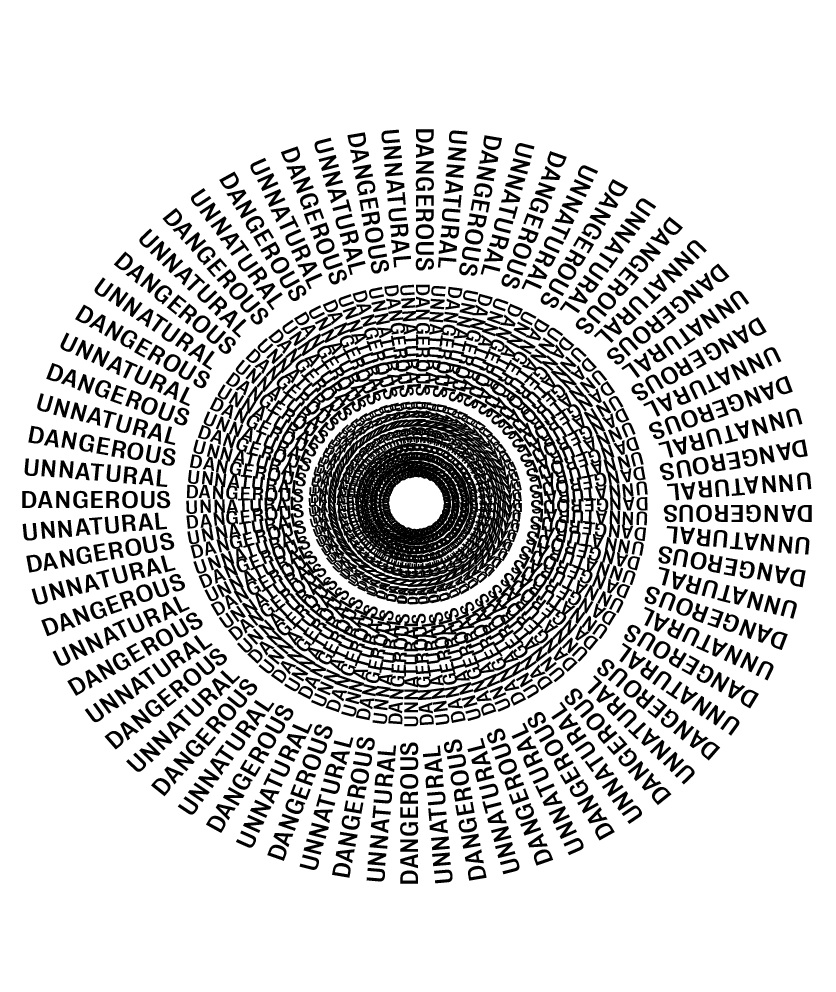
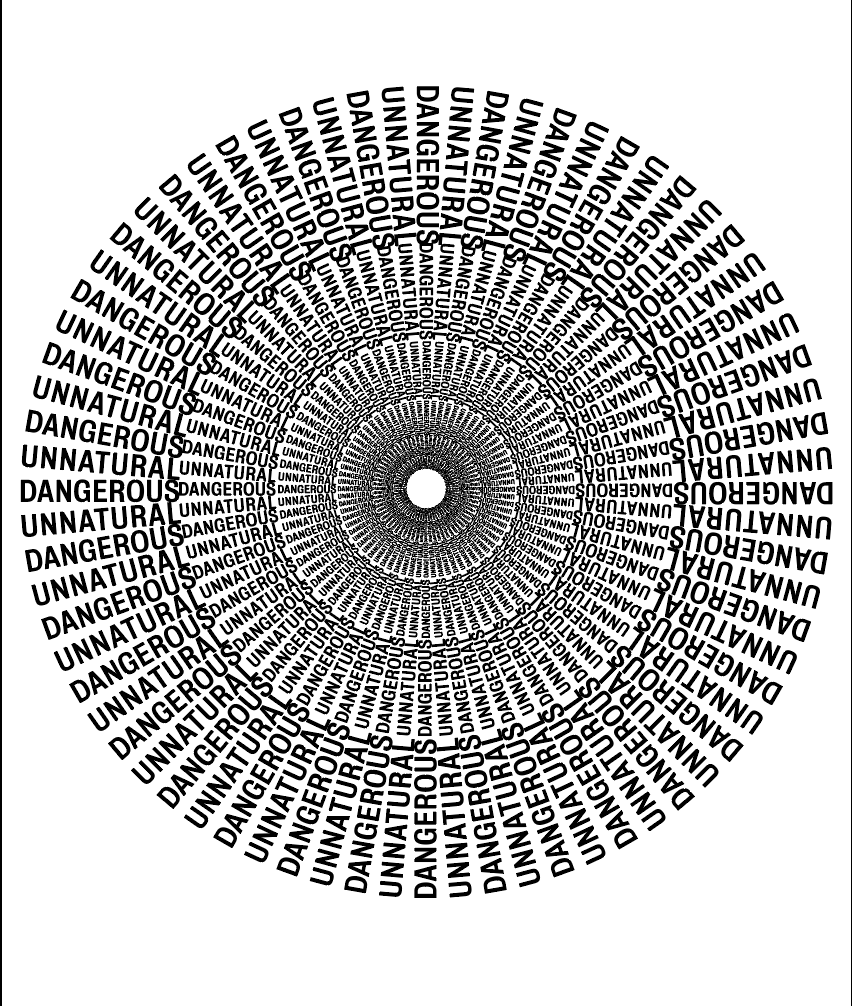
After a few experiments trying out different styles and methods I decided the concept was strong but my 2 initial trials were not effective enough. I liked the idea for each but a little more work was needed to complete it. First off, using ‘FEAR’ in the image was too obvious so I decided to use the words “UNNATURAL” and “DANGEROUS” as I think both of them are such strong powerful words which are used to describe fear in the article, and will leave more the the imagination. The second trial I carried out was much stronger and created much more of a sense of depth as each ring was getting smaller so was a concept I wanted to take forward in my layout experiments

The last image especially gives the feeling of movement even though it’s a still image which I think is strong in itself. As the page was all about fear I wanted the image not just to act as a heading but all so really make the viewer feel like they’re being sucked in and give the impression of a never ending tunnel. This idea was all about giving the viewer a sense of falling just as Le Gallou would have, as well as giving an insight into the feelings and thoughts that could be going through his head, like fear and adrenaline. I think the design works well to capture this feeling.

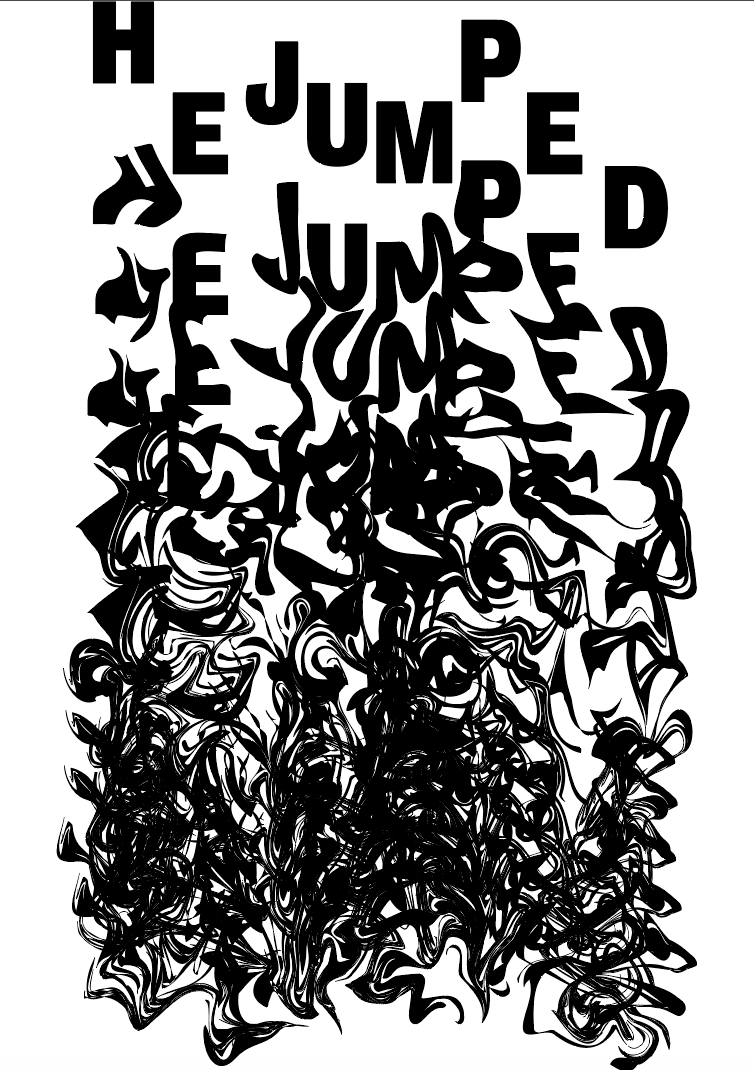
Image 3 – “No, something’s not right. ‘No’ is your sixth sense trying to save your life. Whatever voice Le Hallou heard that morning, he jumped.”

The next page was all about “NO” which is about when somethings wrong and you shouldn’t go jumping, it was the page I wanted to use to describe his death, therefor I wanted the image to be quite dark and not particularly pleasant. As the idea behind the previous 2 images decreased in structure I wanted the last image to be even more messy and unstructured, to show how his final jump went wrong, and also to illustrate the idea of “something not being right”.

I used the liquify and warp tools both on illustrator and photoshop to change the structure of the words “HE JUMPED” as I thought those 2 words were strong and would instantly provoke a feeling when the viewer see’s it. I wanted the image to start off well and end up unstructured and out of control, much like Le Gallou’s final jump. I duplicated the words and placed each one under the other, and warped each line more and more each time so the bottom line would be unreadable.

My first attempt with just the outline of the words it aesthetically pleasing but isn’t bold enough and I don’t think it works well enough to capture the viewers attention. The idea behind it is strong, there is still a strong sense of movement and falling with it moving from the top of the page to the bottom, and the way it’s warped almost looks like it’s flowing, and the way it spreads and warps really gives a feeling of being out of control. However, I think it needs to be a slightly thicker font and possibly a larger size to really make it stand out and be moving to the viewer.
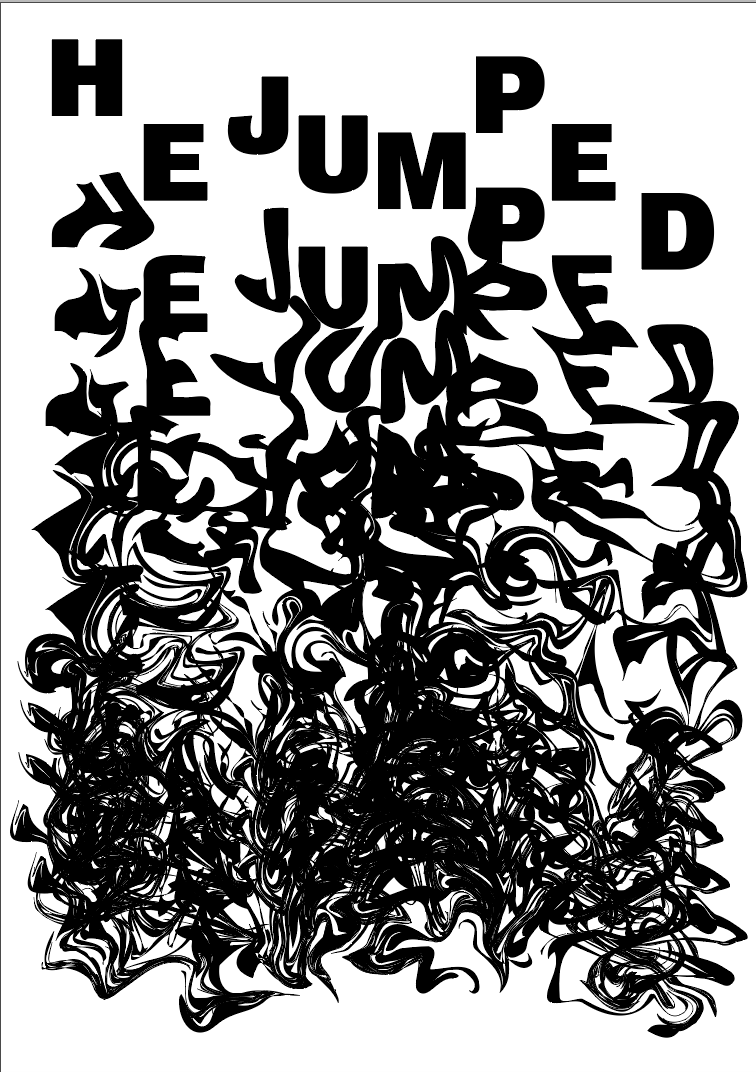
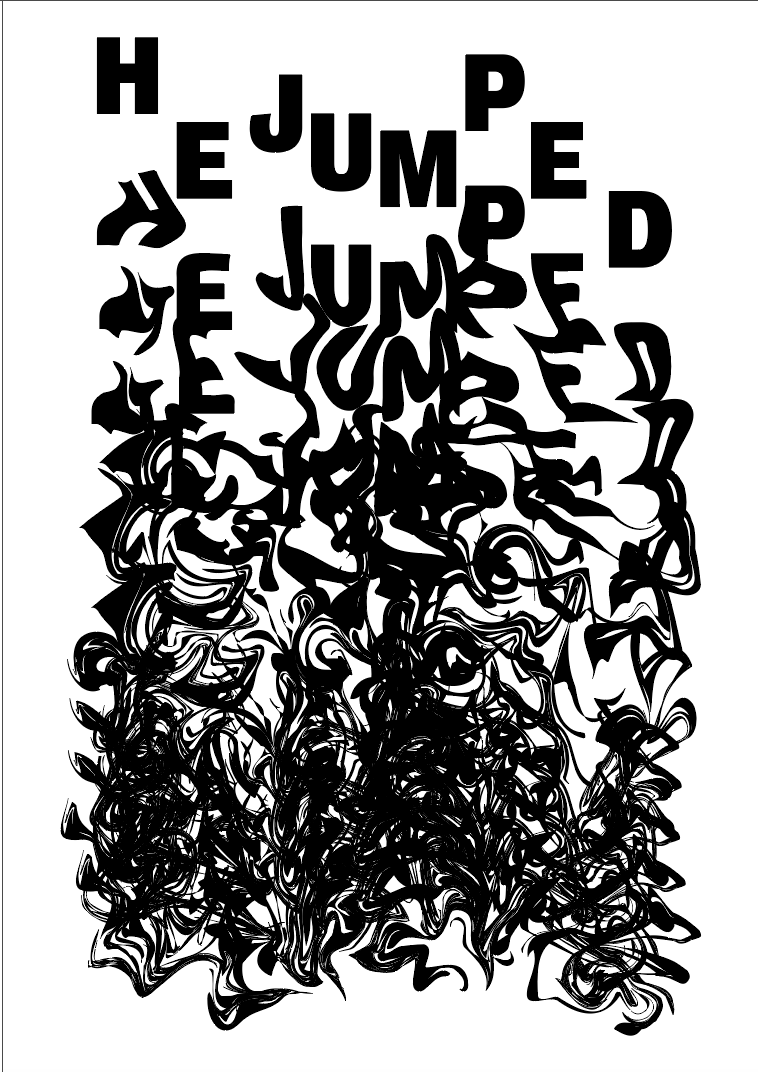
After changing the font to a thicker/bolder style and enlarging it slightly I think it still keeps the same idea and is strong, and also stands out much more and almost pops off the page. Initially it was too wide so I narrowed it slightly. I think leaving a slight border on the sides but touching the top and bottom of the page really emphasises the idea of it falling from the top of the page to the bottom instead of it being in the middle of the page. I also trailed it in white which worked but I think the thick mass of black at the bottom adds a depth to it which you don’t get with the white.

Overall I think the image works really well to convey the meaning. It contains easy to read text so can be used as a header as well as keeping with the theme of each image becoming more and more out of control.

http://www.showusyourtype.com/public/index.php/postcards/melbourne

https://www.inspirationde.com/image/71672/

http://www.worthydesign.space/design

https://www.neuegoods.com/journal/2016/1/18/darren-oorloff

http://balladora.blogspot.co.nz/2011/12/susannste-fanizen-coverentwurfe.html
Editorial – Image initial Ideas

After choosing my layout and deciding what text to use on each page, I looked into the visuals and images I could use within the double page spreads.

The first idea I had was to use photographs of mountains or tall buildings, depending on which page, as the images on each page, using 2/3 on each spread. Although I have access to photos of both of these things, I felt this would be far too cliche and would illustrate exactly what was being said in the article too much, it would lead nothing to the imagination of the reader, especially as the brief is to design the article for young designers. There was also a large amount of quotes containing metaphors and amazing visuals which I felt would be much more effective.

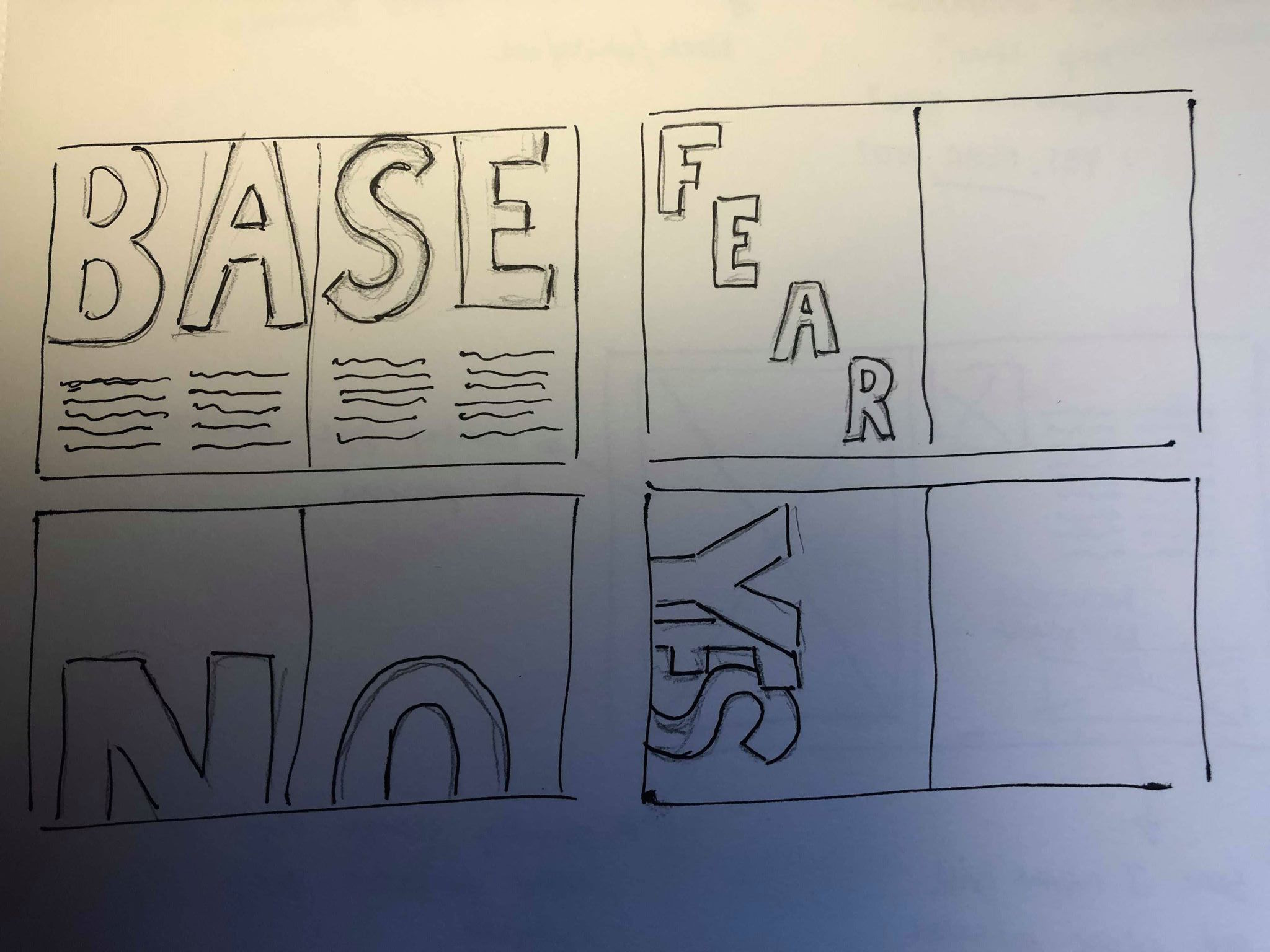
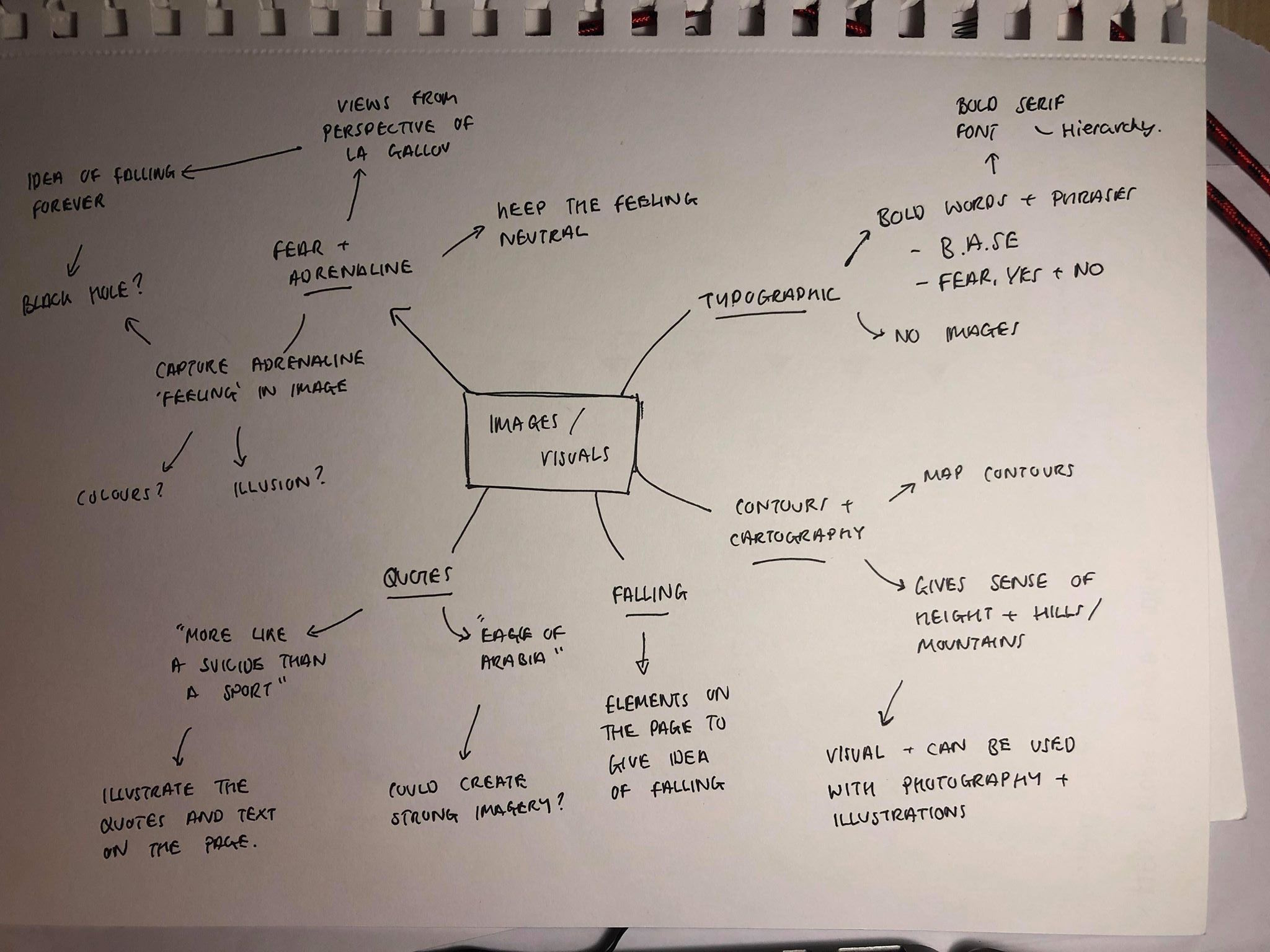
The first idea I looked into was the idea of using typography instead of images to illustrate the article. There are some standout quotes and words within the article which I decided I could use to good effect such as BASE, and “YES, FEAR, NO” which are used in one of the quotes within the article. I wanted the words to be large on the page and take up as much space as a photo or other image would, they would also be used as a header on each spread.

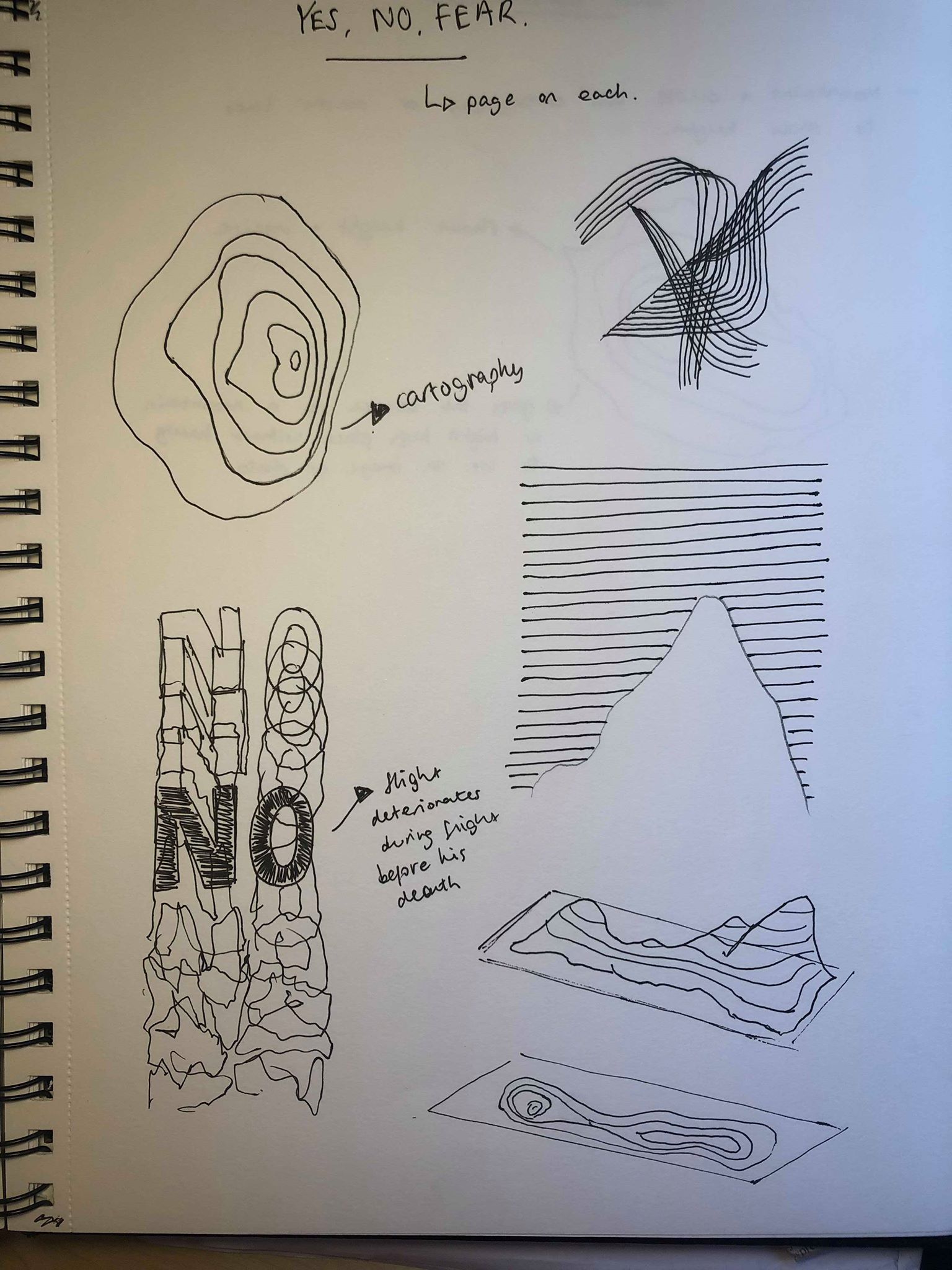
I then looked into the idea of contour lines and cartography on a map. I was interested with the way maps use contour lines to show the height of hills or mountains and think it would be a good way to show mountains or cliffs without having to include photographs. It would also be a good visual to add and could overlay with other images or photographs to create more visuals. After looking at a variety of examples of contour lines, I noticed that although they look like a raised surface, it could also be seen as the opposite, which links in with my idea of a black hole or illusion of something being sucked into or falling into the page.

I then took influence from the idea of the contour lines as well as the illustration to give a sense of the viewer being sucked into the page, or into the ‘black hole’. I wanted to give the viewer a sense how La Gallou would feel when jumping off a cliff or building, in terms of giving a feeling of falling as well as the feeling and adrenaline going on inside his head. I wanted to experiment with this idea using illusions and expressive typography.

The plan was to create 3 images, 1 for each page using ideas from above, which all give a sense of falling that will make the viewer feel as if they’re falling or being sucked into the page.

Following on from my idea to use “YES, FEAR, AND NO” as my 3 spreads, I wanted to create an image for each spread which give a feeling of each of the emotions. “YES” was described as “when you’re all tuned in”, therefor I want the image for it to be clean and all in proportion, whilst still giving a sense of illusion and a sense of falling. “FEAR” was described in the article as “Don’t do this. It’s dangerous, unnatural. You’re there to conquer your ‘FEAR’.”, so I wanted the image on the ‘fear’ page to have a strong sense of fear using the idea of being sucked into a black hole and falling into the page, I want it to make the viewer to understand and feel how La Gallou would feel. As opposed to “YES” I don’t want the image to be as clean and in proportion, I think it would be more effective with a slightly distorted look as it gives a feel of the FEAR and shows how skydiving can be scary and unpredictable. Finally, in the article when describing “NO”, it says “No, something’s not right. ‘No’ is your sixth sense trying to save your life. Whatever voice Le Hallou heard that morning, he jumped.” For this image I want it to be the most moving of all and really illustrate La Gallou’s last jump going from an amazing morning and amazing views to a disastrous jump.

Editorial – The Article

The brief is about taken one of 10 given articles and creating a contemporary piece of editorial design for it. I initially skimmed through all 10 articles to find any which stood out to me and seemed interesting to read as I thought the articles which were the most interesting to read would also be the most interesting visually. After reading the majority of them, I focused in on ‘The life and death of Herve La Gallou’ and ‘The class pay gap’. Although initially the article about the class pay gap stood out to me the most due to how interesting the facts are within it, ‘The life and death of Herve La Gallou’ to me had so many more interesting metaphors and amazing imagery within it that I decided to go choose it.

After reading the article it was made clear that there already seemed to be 3/4 different ‘chapters’ within the article which I could use to separate into each double page spread. The beginning was all about his life and his base jumps and skydives, around the middle was a lot of information about how he feels when he jumps and the reasons he does it, and the end of the article was all about the day of his death and the events following on from his death. Due to this, I decided to separate the text into these 3 sections, using one of them on each double page spread.

PAGE 1-2 = HIS LIFE AND HIS BASE JUMPS

Le Gallou was an unremarkable-looking man of medium height, with a slim physique, short brown hair and wide eyes. I met him only once: in January 2009, at a restaurant in Paris. A friend had told me about an astonishing coup that took place months earlier in Dubai, in which Le Gallou and McDonnell walked into the Burj Khalifa skyscraper, then under construction, disguised as engineers. They evaded security, climbed 155 floors on foot and then flung themselves from the top at dawn — thus becoming the first people to base-jump from the tallest building in the world. I wanted Le Gallou himself to tell me about the adventure.

He also described a vivid scene at the top of the Burj. Le Gallou explained that when he was in his late 40s, he began to suffer from night blindness. As a result, he preferred to wait until dawn to jump buildings he infiltrated in the dark. At the exit point, he and McDonnell watched the desert turn from blue to pink as day broke over Dubai. At that moment, Le Gallou later recalled, “you feel everything belongs to you.”

We spoke too of his other notable coups. In 2000, he and a friend, Benoît Paquet, scaled the exterior of the 88-story Jin Mao Tower in Shanghai in the middle of the night and jumped at dawn. By 2009, Le Gallou had also jumped from the Eiffel Tower 40 times. He had, he said, become the de facto “official guide” of the Parisian landmark for novice jumpers — the one who knew how to evade the cameras and guards.

These stories granted Le Gallou near-mythic status among European base jumpers. (After Dubai, his friends jokingly nicknamed him l’Aigle d’Arabie: the Eagle of Arabia.) For McDonnell, Le Gallou’s urban adventures were “the nearest thing you could get to being a master criminal, without getting into too much trouble.” Unless you were involved in base jumping, however, it’s very unlikely you would ever have heard of Le Gallou. In recent years, several base jumpers have gained a high public profile. Men like Jeb Corliss and Felix Baumgartner — the daredevil who sky-dived from the edge of space — have become YouTube stars, backed by brands like Red Bull. But Le Gallou was not after fame. He maintained a Web site, but it was rudimentary; he preferred to share stories face to face.

The sport he loved began in earnest in the late 1970s, when a group of American parachutists led by Carl Boenish started jumping El Capitan, above the Yosemite Valley, using regular sky-diving equipment. There had been similar jumps before — for movie stunts and one-off kicks — but it was Boenish and his gang who invented the term B.A.S.E. (for Building, Antenna, Span, Earth, four types of objects from which it is possible to jump).

One of Le Gallou’s oldest jumping buddies, Joel Gerardin, said that for Le Gallou, the thrill of infiltrating a building, jumping it and escaping without notice was “indescribable.” He added: “I actually don’t know anyone else in Europe who gained such an experience in city jumps, ‘illegally,’ with no sponsorship, all around the world. Not for the image of himself, just for himself.”

PAGE 3 -4 = HIS FEAR AND HOW HE FEELS WHEN HE JUMPS

When Le Gallou made his first jump in 1994, only a few dozen people in France knew what base jumping was. He was already a proficient sky diver. Having bought a base rig and learned to pack from a video, he traveled to the Fades Viaduct near Clermont-Ferrand in southern France, steeled himself and jumped alone. The experience was a revelation.

“When you see the ground coming up very fast — it’s more like a suicide than a sport,” he told me. “I was almost sure that I was going to die, you know? Because it was so frightening. And when I jumped, I pulled. And then you have to wait for the opening of the canopy. And when you are waiting, the feeling is . . . I don’t know the word in English.Impuissant?”

Powerless. Le Gallou spent the rest of his life trying to take control of those heart-stopping milliseconds. In order to survive an intermittently illegal sport in which one mistake can be fatal, a jumper needs to be alert to myriad dangers. For a start, you carry only one parachute, rather than the two used in traditional sky diving. Not only must your chute be packed exactly right, it must also be pulled at the correct time, with enough distance between you, the object and the ground. Even when the canopy is released properly, a menu of potential problems awaits. If, for instance, you open “off-heading,” or less than straight, you can find yourself speeding back toward the cliff or building from which you just jumped. This outcome is known, in the macabre argot of the sport, as an “object strike.”

For these reasons, the sport has traditionally appealed as much to control freaks as to adrenaline junkies. Many European base jumpers of Le Gallou’s generation are middle-aged men and women (but mostly men) with solid professions: dentistry, engineering, I.T. and so on. Few seem to lead particularly risky lives. They view the sport as a private obsession, and publicity, especially for those in high-profile jobs, is to be avoided.

PAGE 5-6 = THE DAY OF HIS DEATH

A minute before he died, Hervé le Gallou stood at the edge of a cliff at Obiou, in the French Alps, with acres of thin air before him. The view that morning, June 23, 2012, was breathtaking: moonscape cliff faces, pocked with snow, that gave way to plateaus of pale grass and ashen rock, then to bottle-green pine forests in the valley below and to mountains beyond.

“I know exactly what I’m doing,” he said. “I just go for pleasure. There is still some stress, some fear, because there is some danger. But I know exactly what I can do. I know where is my limit.”

At 51, Le Gallou was a veteran of thousands of base jumps. But he had never flown from the exit point at Obiou before. In order to execute his intended flight, he needed to guide himself away from the cliff face, and then sharply to the right, over a rocky outcrop. For an experienced pilot, this maneuver was relatively straightforward. The next period of the flight, however, was tricky. Le Gallou would need to glide over a long, moderately inclined plateau. In order to do so, it was imperative that he pay attention to what French wingsuit pilots call la finesse: the ratio of forward to downward movement. (To maximize lift and finesse, a pilot needs to find the perfect “angle of attack” — the best position of the wings in relation to the wind.)

If he couldn’t maintain an adequate glide in this part of the flight, he had an escape: he could pull his parachute and land on the plateau. This plan would work as long as he made the decision early enough. But if he bailed too late, he would crash before his chute could fill with air. The best case would be the simplest: to fly with “une bonne finesse,” continue over the inclined plateau and the pine trees and eventually pull his chute above the valley floor.

On the morning of June 23, the chances of a long, birdlike flight in perfect conditions seemed good. Nonetheless, dark thoughts may have assailed Le Gallou. He was fatigued, short on practice and unhappy with his equipment. The previous day, moreover, he received news that his mother was involved in a car accident in Paris, the latest in a string of misfortunes that had bedeviled his family in recent months.

On that June morning, four other jumpers were with Le Gallou at Obiou. Two were Americans who moved to France, partly to spend more time flying wingsuits in the Alps: Ellen Brennan, a 25-year-old nurse, and her partner, Laurent Frat, a 35-year-old news producer. The others were Raoul, a 38-year-old engineer and a friend of Le Gallou’s (who asked to be identified by only his nickname because it is not publicly known that he base-jumps); and Ludovic Woerth, a 32-year-old professional wingsuit pilot and a former employee at Adrenalin Base, a French base-equipment supplier. Le Gallou was wearing a wingsuit provided by Adrenalin Base and manufactured by a Croatian company, Phoenix-Fly.

Raoul jumped first, and then Woerth. Having completed their flights, they waited in the valley for the others. Le Gallou jumped third. His flight started well, according to Brennan and Frat. He banked high over the rocky outcrop and then dropped out of sight. The two Americans jumped fourth and fifth. When they landed in the valley, after flights of more than a minute, they asked about Le Gallou. Neither Raoul nor Woerth had seen him.

Le Gallou’s four fellow jumpers hoped their friend had pulled his parachute safely above the plateau. The whole flight path is not visible from either the valley or the exit point, and it was possible, they believed, that he could have landed unseen. After hiking for a while to get better phone reception, they tried to call Le Gallou. Nothing. Brennan remembers the group opening beers to celebrate their successful jumps while they waited for news.

“Just after like the first sip of beer maybe, we heard a helicopter coming over,” Brennan recalled. “And the helicopters never fly over there unless they’re doing a rescue or something. . . . The worst sound I’ve ever heard in my life was the sound of that helicopter coming.”

A passing hiker saw the fallen Le Gallou and called mountain rescue. Le Gallou had hit the plateau and died on impact, his canopy stretched out behind him. In the days that followed, three of the jumpers posted accounts on base Web sites, detailing what they thought went wrong with Le Gallou’s last flight. Frat wrote that “for reasons we can only speculate, he was unable to outfly the plateau.”

Editorial – Introduction and workshop

In todays lecture we were given our brief for our editorial project and were given a short lecture on layouts and grid systems, hierarchy, type elements and detailing within an editorial piece as well as the use of pace throughout an article or magazine.

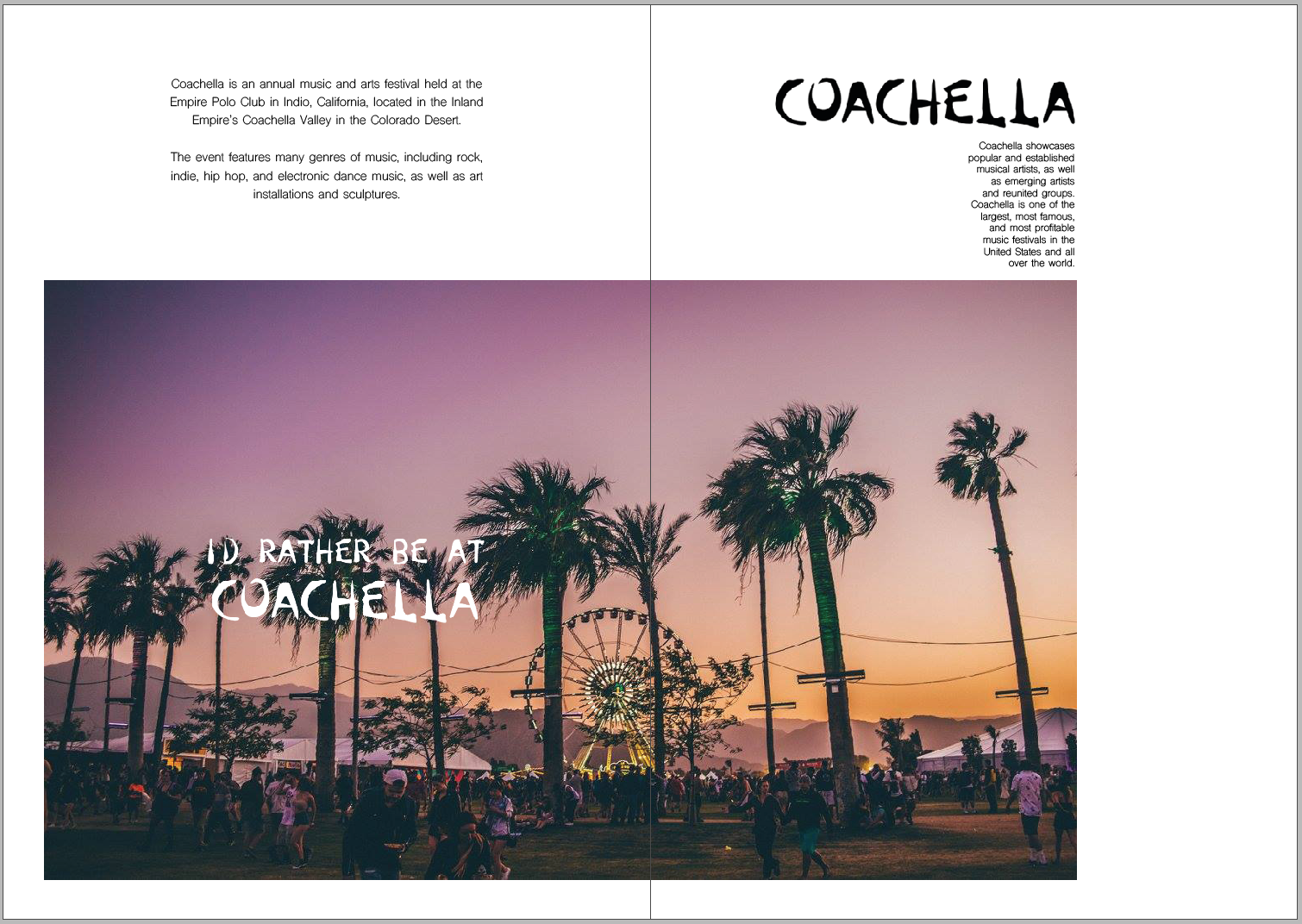
For our short workshop task, we were split into groups and had to create a double page spread each using a given topic. My grouped picked out the topic of ‘Coachella’ and had to crete an article all about the festival. We each designed a page each but had to use all the elements taught to us in the morning to make the article look professional and as if they had all been made by the same person, for the same article. We decided that we first needed to come up with a visual identity that would be similar across the whole article but would also not look exactly the same to create a sense of pace. We decided on things like the colours we wanted to use, the type, layout (grid system), and how we wanted our paragraphs to be laid out.

As a group we spoke about the things we discussed with David in our tutorial about how we wanted the article to make the reader feel, and after discussing this and carrying out some research into the festival we we ultimately decided that Coachella has had criticism recently for being more about the ‘vibes’ it creates and less about the actual music. We wanted our article to show this and so decided that the images within our article would be the most prominent aspect and would take up the majority of the page. Coachella is always at the very peak of what is currently going on, with the music, fashion and style of the festival all being very modern, we wanted to convey this in our article using a very modern and contemporary feel.

I wanted to use the image as the first thing that draws the eye to create a sense of hierarchy, followed by the ‘Coachella’ heading, then the body text, then the caption. I didn’t want the article to be too informative as as I said previously the festival has become more about the idea of going to the festival and less about the music and the actual festival itself, therefor I wanted to portray this within the article. Overall after only having a short amount of time to create it, I think it works well and uses a lot of the elements we spoke about in the tutorial to create a strong double page spread.

End Of Field 4 Evaluation

What went well? – I think my group and I spent a lot of time discussing ideas in both projects and everyone came to the majority of the sessions meaning it was easy for us all to have a group understanding of the work we were carrying out. We also had no real disagreements about any decisions in either project.

What did I learn? – I learnt a lot about how differently people work within a group and that not everyone is as loud and as opinionated as me and that speaking to people and asking them what they think instead of expecting a response straight away was needed. I also learnt that sometimes within a group the best way to come up with an amazing idea is instead of coming up with one or two really good ideas, just to keep coming up with as many ideas as you can even even if some are useless, and other group members will speak out about their favourites and help to chose one.

What didn’t go as well as expected? – I think the thing my group struggled with in both projects was that after we came up with an idea and decided on the style of what we wanted to do, we struggled to all end up using the same style and idea.

What would I do differently next time? – I think next time i would definitely focus more on creating more pieces that were a combination of everyones work. Although we did this many times, I would have liked to try it out more, especially with the illustrators. Although we often created collaborative pieces they would often be someone would create something with other peoples guidance and ideas instead of everyone directly contributing.

How did I use my skills to contribute? – I made sure that no matter what we were making, wether it be an illustration or painting, or a poster I always tried to contribute in some way, wether it was me giving advice to someone else about how they should lay something out, or me using knowledge on typography and hierarchy etc to design my placards.

Did I attend, engage and commit fully to my project? – I think the most important thing for me in this project was feeling like I had done enough each week so that our work as a group was good enough so I always made sure I attended every time my group wanted to meet so that I could produce the best work I could.

How has the process helped me to develop as a graphic designer? – I think the main thing it has taught me is to be open about trying anything, for example I never usually would’ve tried illustration but have done because of the brief. It’s also taught me a lot about the process of working in a group and how to get from initial ideas to a final product in a group scenario.

How did I consider the audience, tone and communication of the project? Did it change or evolve during the project? – We struggled at the start of our second project to decide who our audience would be as I think initially our idea was very broad, but through more group discussions and initial ideas we were able to narrow it down and decide on our audience. Throughout the whole process of both projects I think the both of my groups were very conscious of the target audience and everything we created took the audience into account. Our tone and communication did change in both projects as I think the more we thought about each of our ideas the more we came up with extra ideas to add in and slightly swayed from where our outcomes were initially, but I think that was all about thinking what was best for the outcome.

Placard – Live Protest

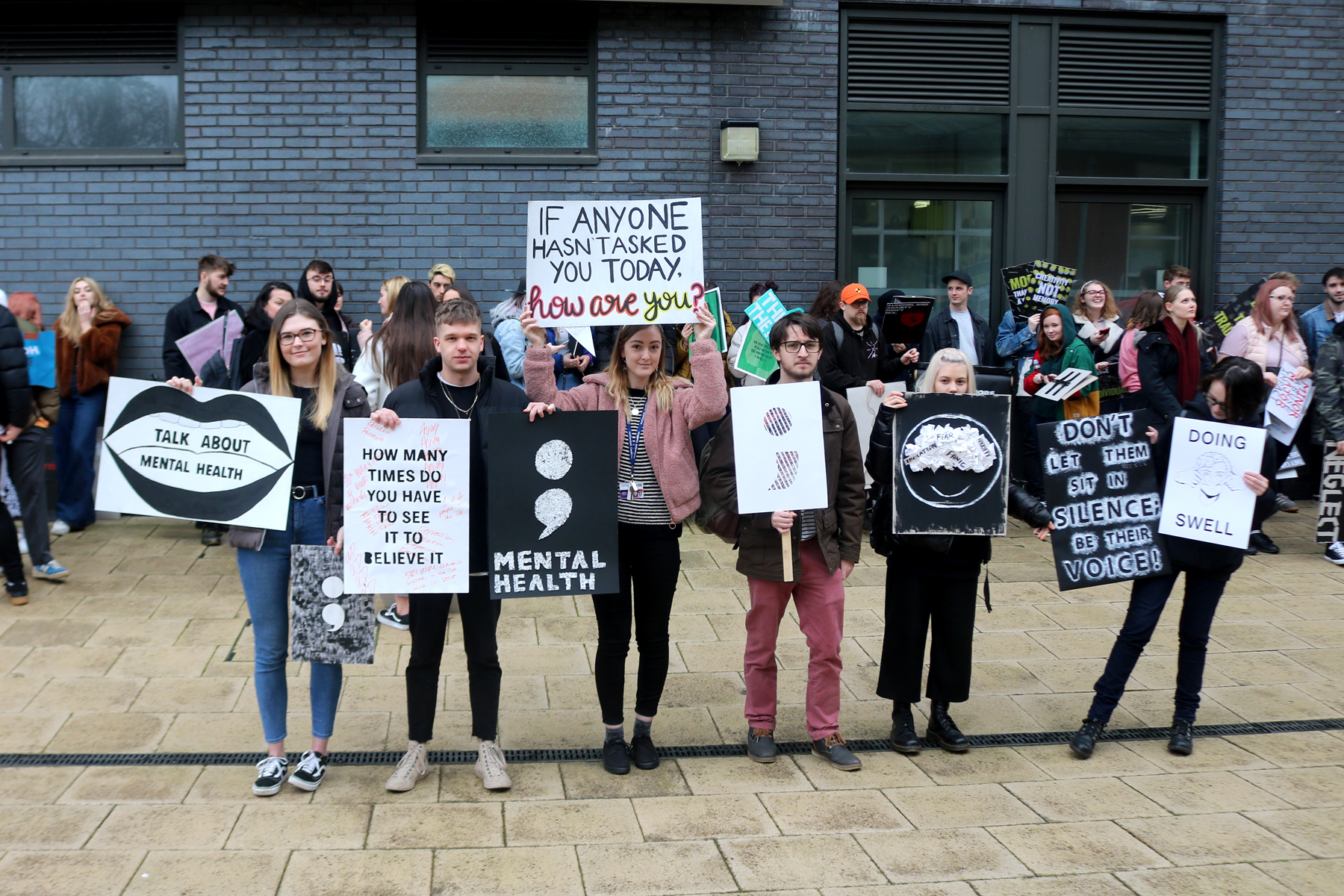
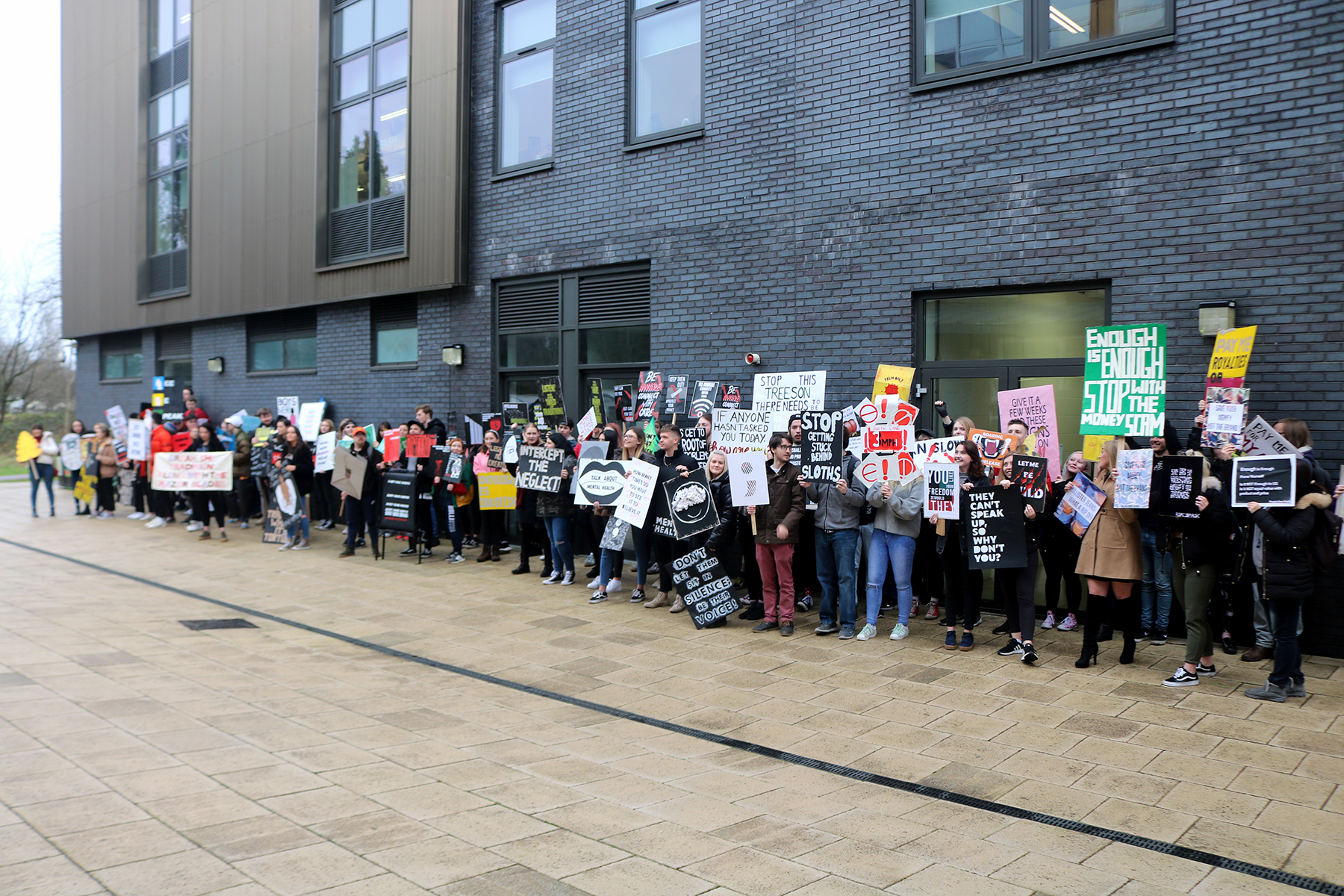
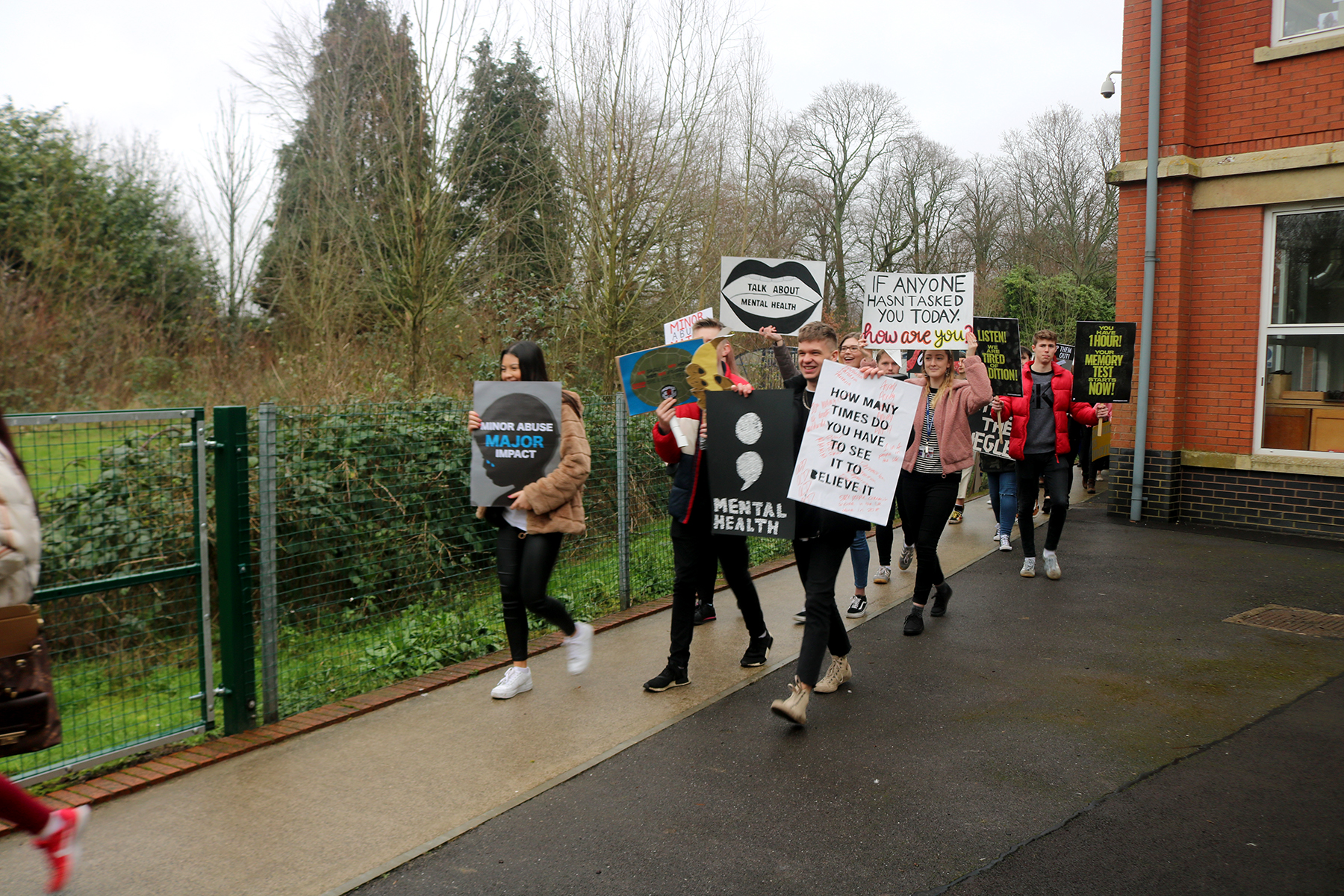
The live protest was the first chance my group had to look at all of our work together. I think you can see consistency in all of our placards, from the use of sans serif fonts for the majority, to using hand written fonts as well. We also all used very similar colours, mainly black and white with aspects of colours being added in a few. We also all made handmade placards which was something we spoke about a lot as we thought this would be much more moving and more like a traditional protest.

After looking at the images I would say as a whole our groups placards were very effective and all followed the same style so fit in as one protest, it was also all very easy to work out what they were about just by reading them.

After seeing my placard in the live protest, although I am glad I hand made my placard, after looking at my designs from slightly further away, the only thing I would change is the writing in red. If I was to do it again or improve it I would use either a bigger pen or in paint to make it stand out more and be much more vibrant and visible against the white background.

Placard – Final Development

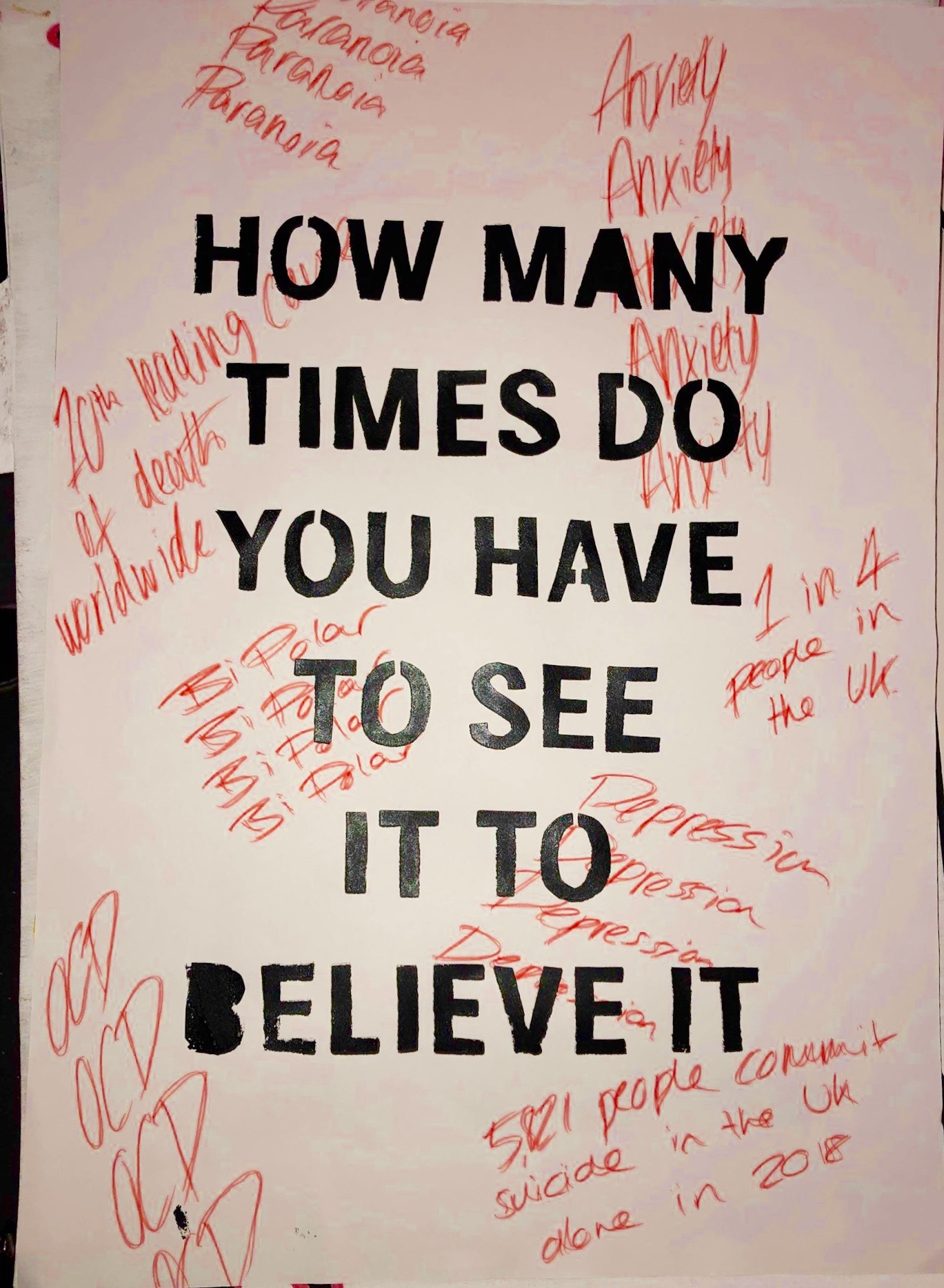
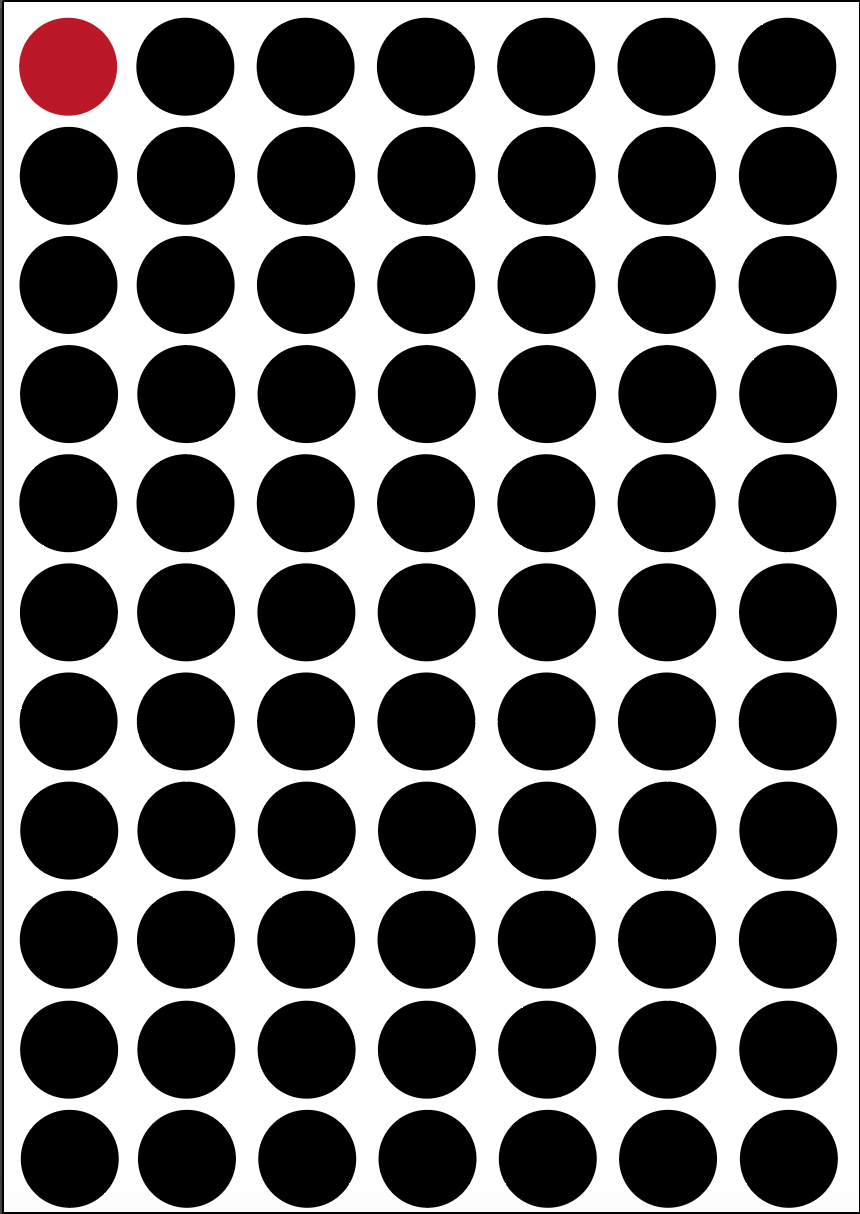
I decided I wanted my placard to be hand made to make it more personal and to give it a sort of rough look. I screen printed the main text onto the poster and then used a red pen to write over the top of it. Although I didn’t use my digital placards I used them as a guide for how i wanted my final outcome to look.


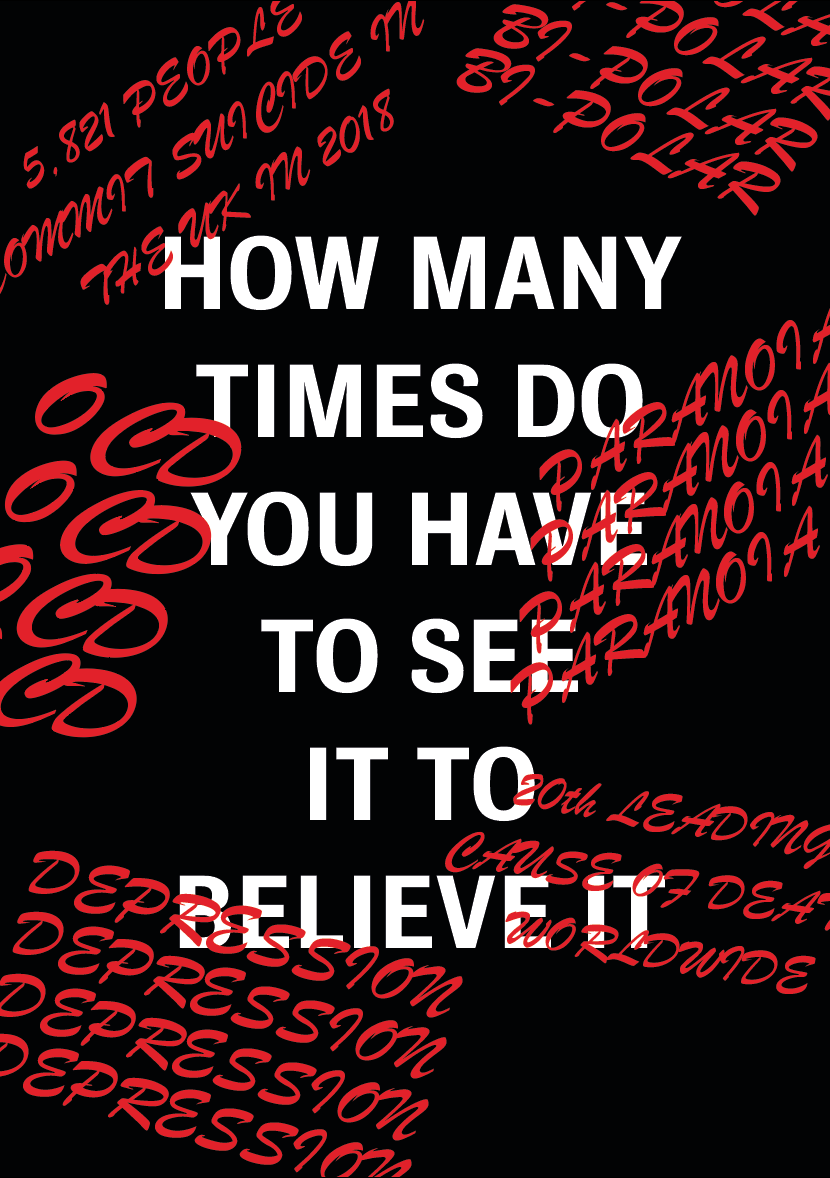
I went with the white background because I wanted to red to stand out and pop off the page and felt like it wasn’t as bright and vibrant when on the black background. I kept the main text in sans serif as I wanted it to be bold and stand out in the centre of the page and be easy to read. I also kept the black text above the red writing as I thought it was a way to show that mental illnesses can be beaten and overcome. I then used the previous digital placard I made as a guide for the font and what to write in the text, using sort of scribbly and rough writing in seemingly random places on the page. I think it gives an essence of how rough and messy a mental illness can be.

Overall the placard is not as visually pleasing as some the digital placards I have made, however i think the message behind this one is the strongest of them all and explains our protest better than the others. Our whole protest is about making people aware that mental health is a real thing and should be taken seriously and I think the placard says that. The handmade nature of it, although again may not look as clean, makes it feel more personal and bold and as if someone actually cares enough to make it and not just type on a computer.

Placard – Final developments

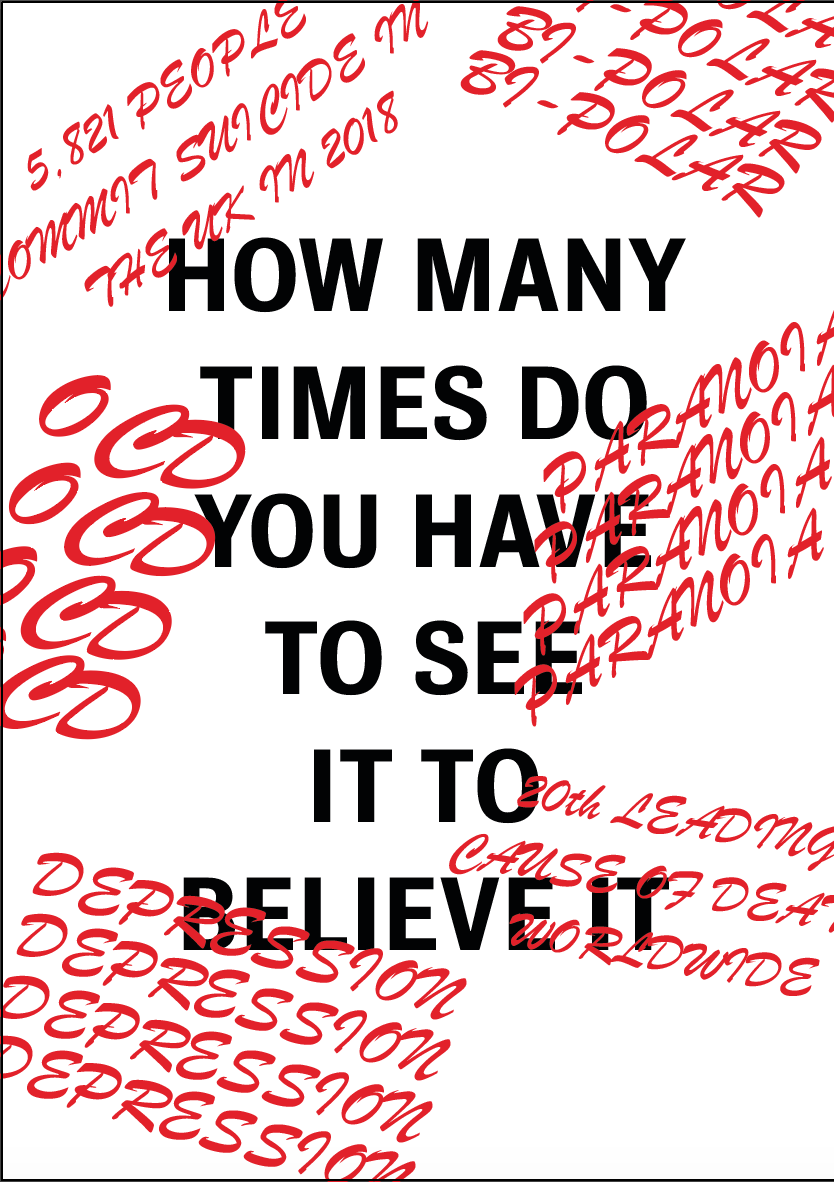
I wanted to carry on with the ‘how many times do you have to see it to believe it’ placard, but I wanted to experiment more with different colours and mediums. The first experiments I did were very similar to my previous ones, expect instead of writing ‘mental illness’ I wanted to write actual illnesses such as Ocd and Depression on to give more of an insight into some of the mental health diseases. I also found some facts about mental illnesses and suicide to further add to the message and show how serious it really is.

I wanted the main text in a sans serif font in the centre of the page as this is the most important statement and i wanted it to be large and important, I then added the text in red in the background, in a the font ‘brush script’ to make it look like it has been roughly drawn on to give contrast against the text in the centre.

I think they work well to convey the message but after my research into protests I thought that the most effective and moving placards were handmade and add much more meaning to it. So I wanted to either paint or use screen printing to create my final outcome.

Placard – Final Development

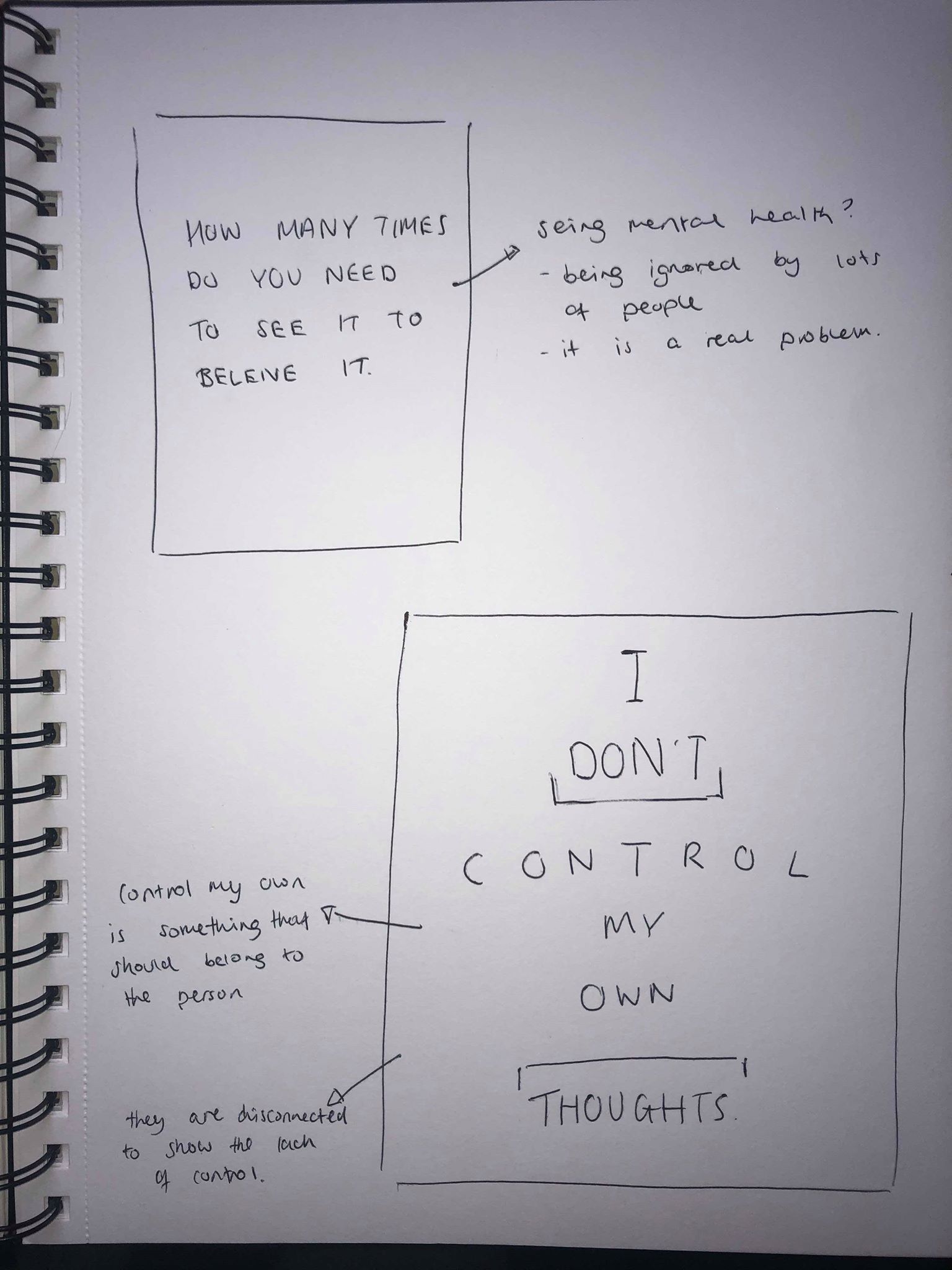
After trying out my initial ideas I knew I wanted to keep my placard quite simple with large text and a simple colour scheme to make it as easy to read as possible. I sketched out two more ideas in which I have taken phrases from my initial page and incorporated them into a design.

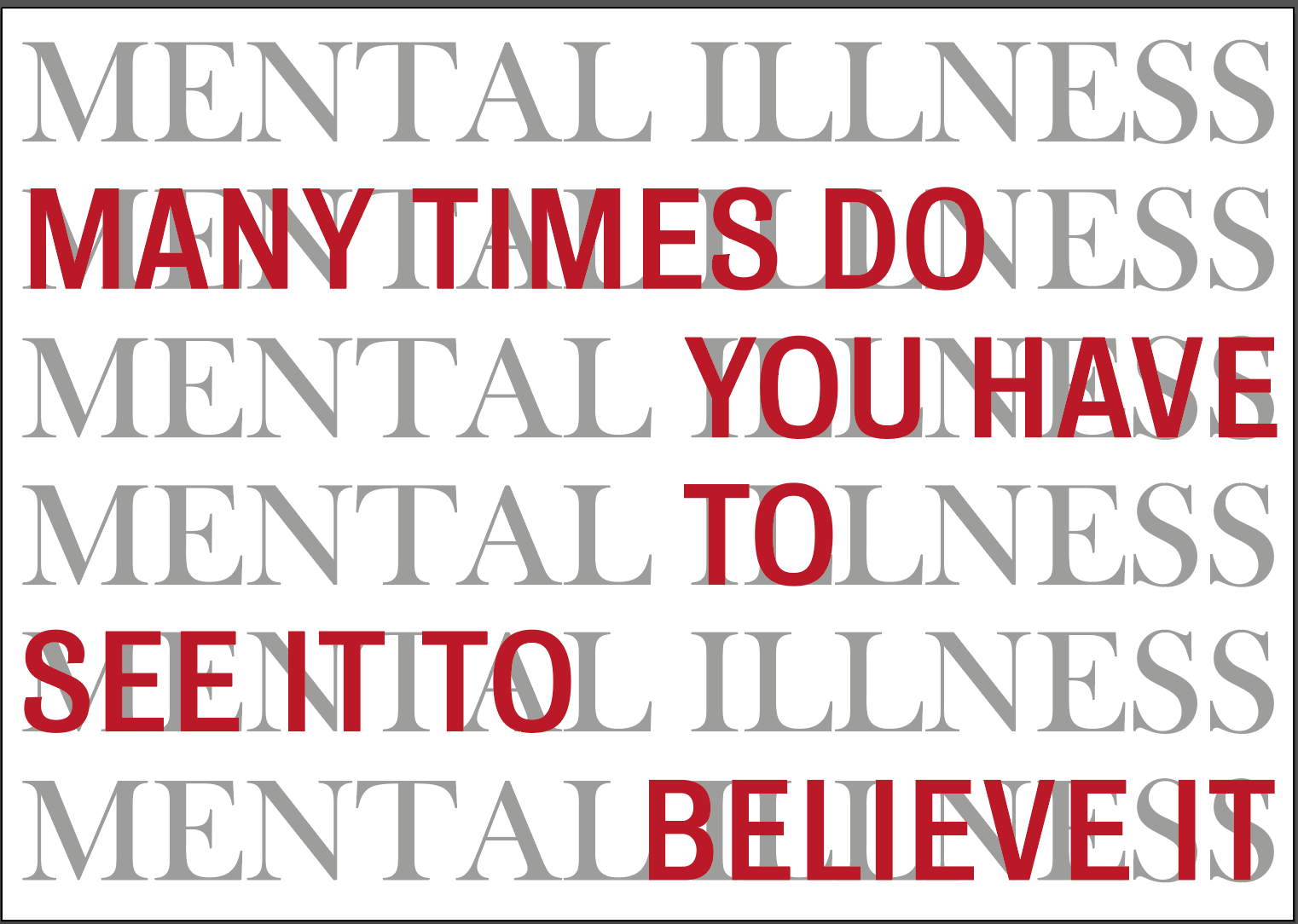
The first idea was using the phrase ‘how many times do you have to see it to believe it’, this relates to our initial manifesto and is about the issue of people hearing about mental health or seeing people with mental health issues all around them, but still choosing to ignore that it is a real issue. I wanted to use the repetition of the word ‘mental illnesses’ as a visual metaphor for people seeing it over and over again in real life.

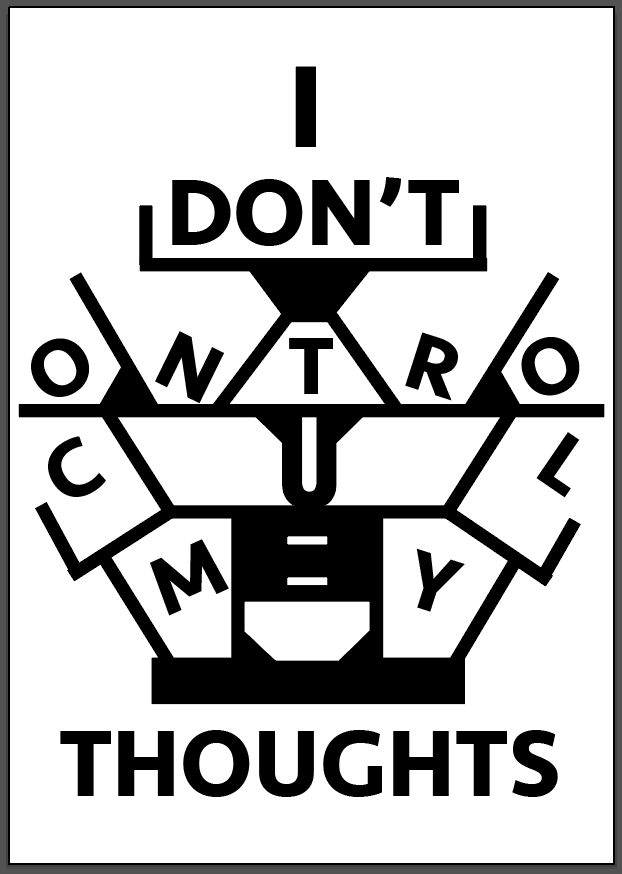
For my second idea I used the quote ‘I don’t control my own thoughts’. I think using a quote from someone with mental health issues is very moving and will make the audience think as it comes from the mouth of someone who is effected. I thought back to our manifesto and the idea of illusion and wanted to put this together with the idea of using a head that is slightly abstracted and hard to see. A persons thoughts should be inside someones head, yet the idea of not being able to control your thoughts makes me think the words ‘control my thoughts’ should be almost scattered around the head in an abstract way.

I think the ideas behind both of these have potential but I want to experiment more with the layout and colours etc.

Placard – Initial Ideas

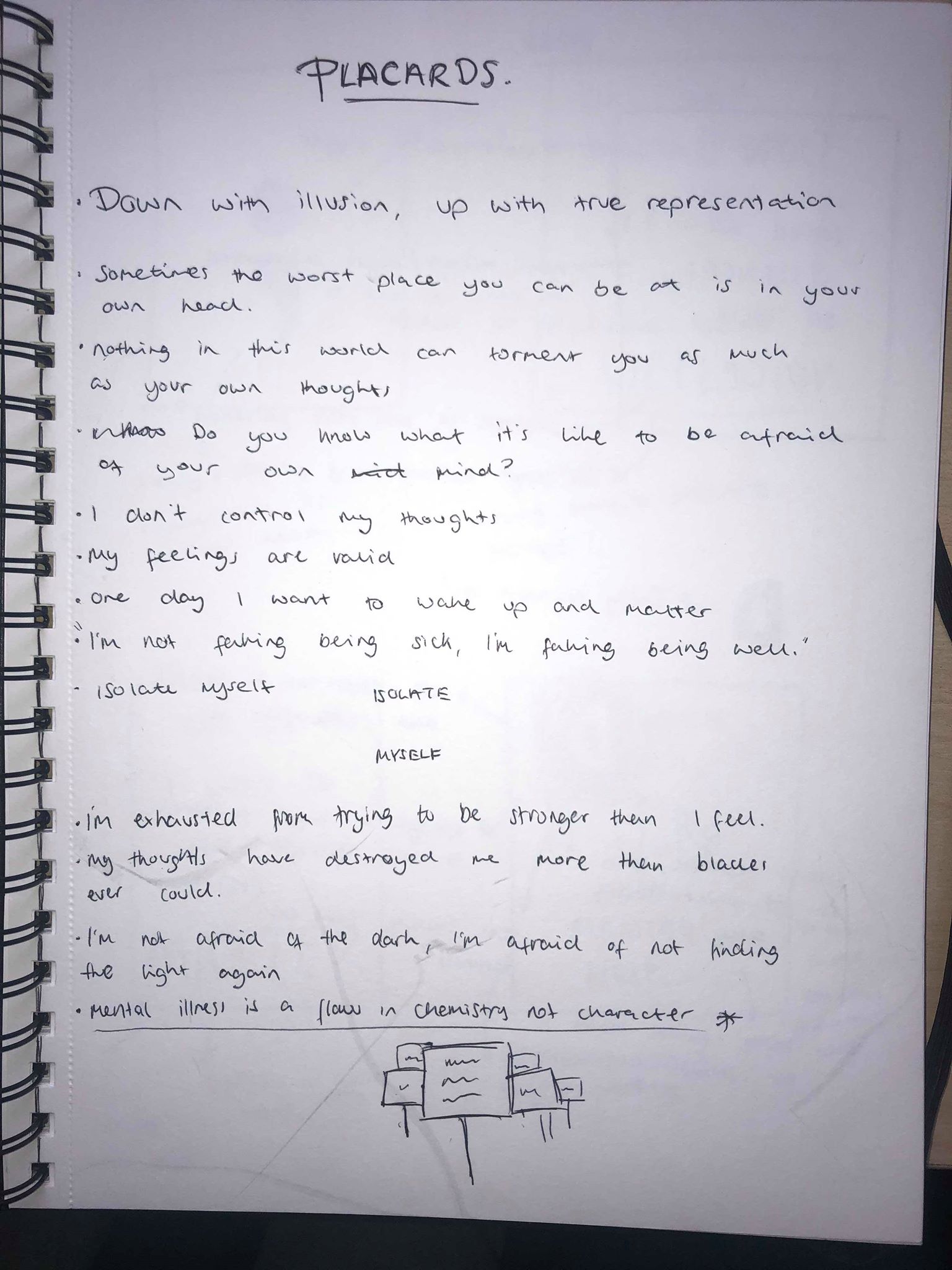
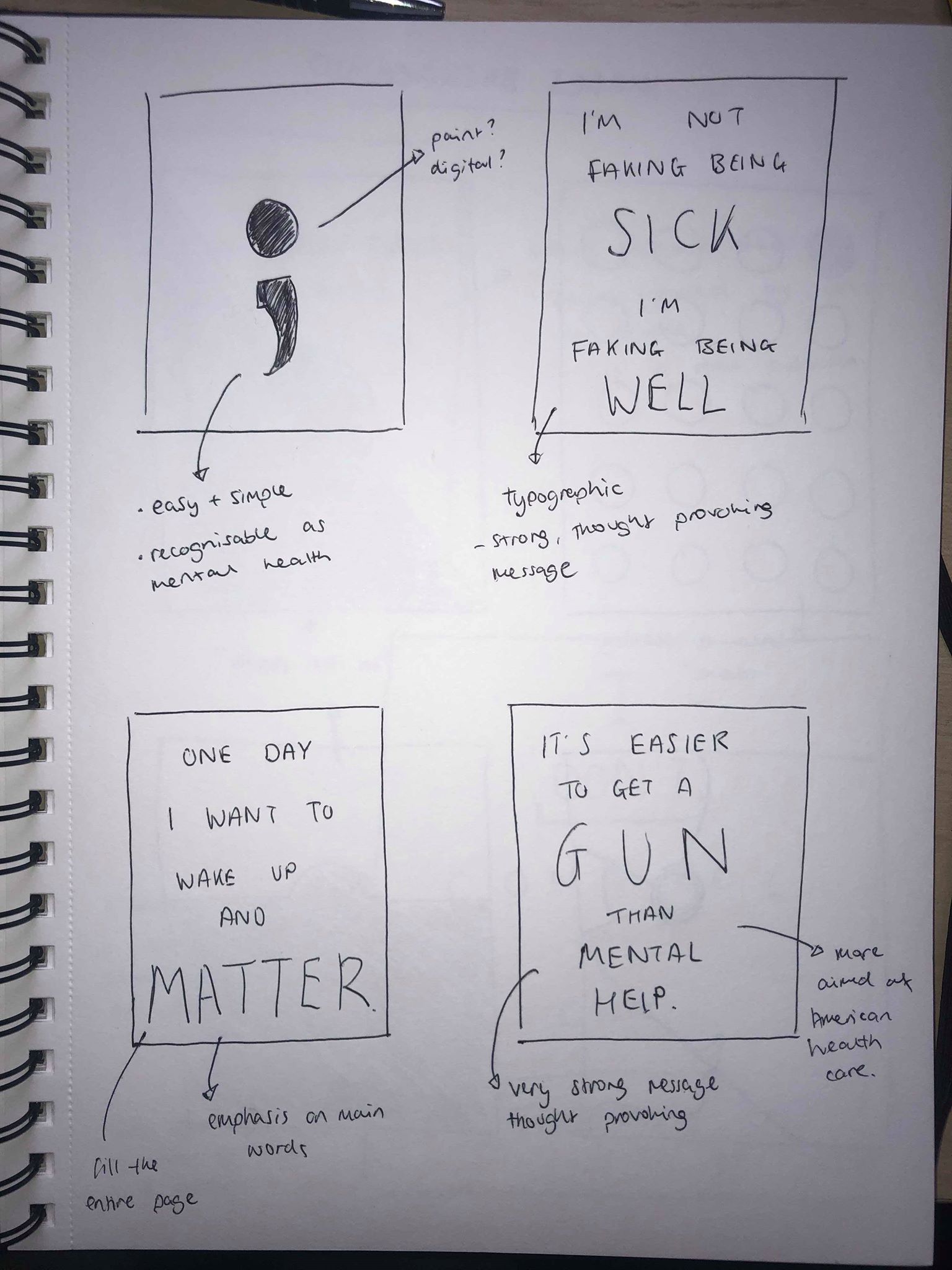
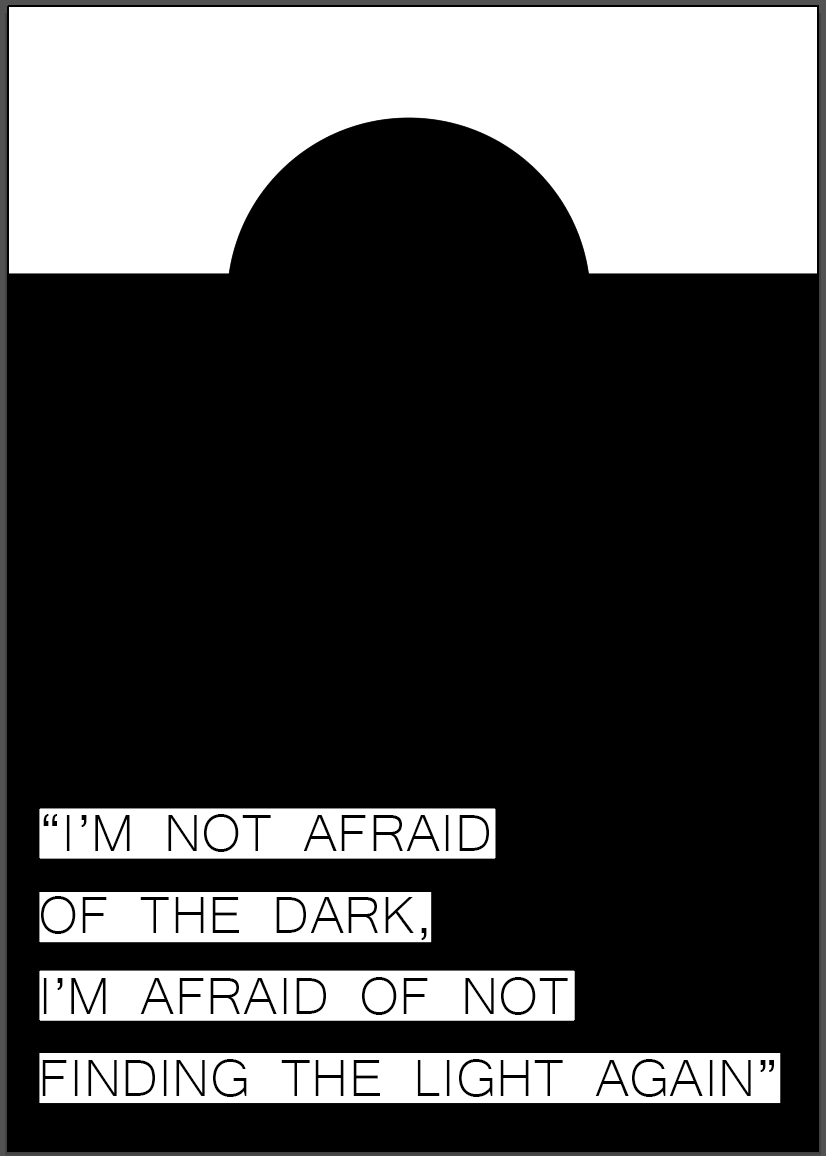
I started off by thinking about phrases i wanted to use on my placard. Initially I was open to any ideas, I thought using a statement about mental health such as “Mental illness is a flaw in chemistry not character” as I think it’s effective to make people think more about it and understand what our protest is about. I also thought about using quotes from people with mental illnesses, such as “I’m not faking being sick, I’m faking being well” as I think quotes from the point of view of the people with the illnesses will be moving and thought provoking to the viewers.

I sketched out some ideas for possible placards. Within my group we spoke about using the semi-colon as a symbol for mental health awareness. I also wanted to sketch out some purely typographic ideas using hierarchy by making the important words larger than the rest. I used phrases which had a strong message and would be very thought provoking to the audience.


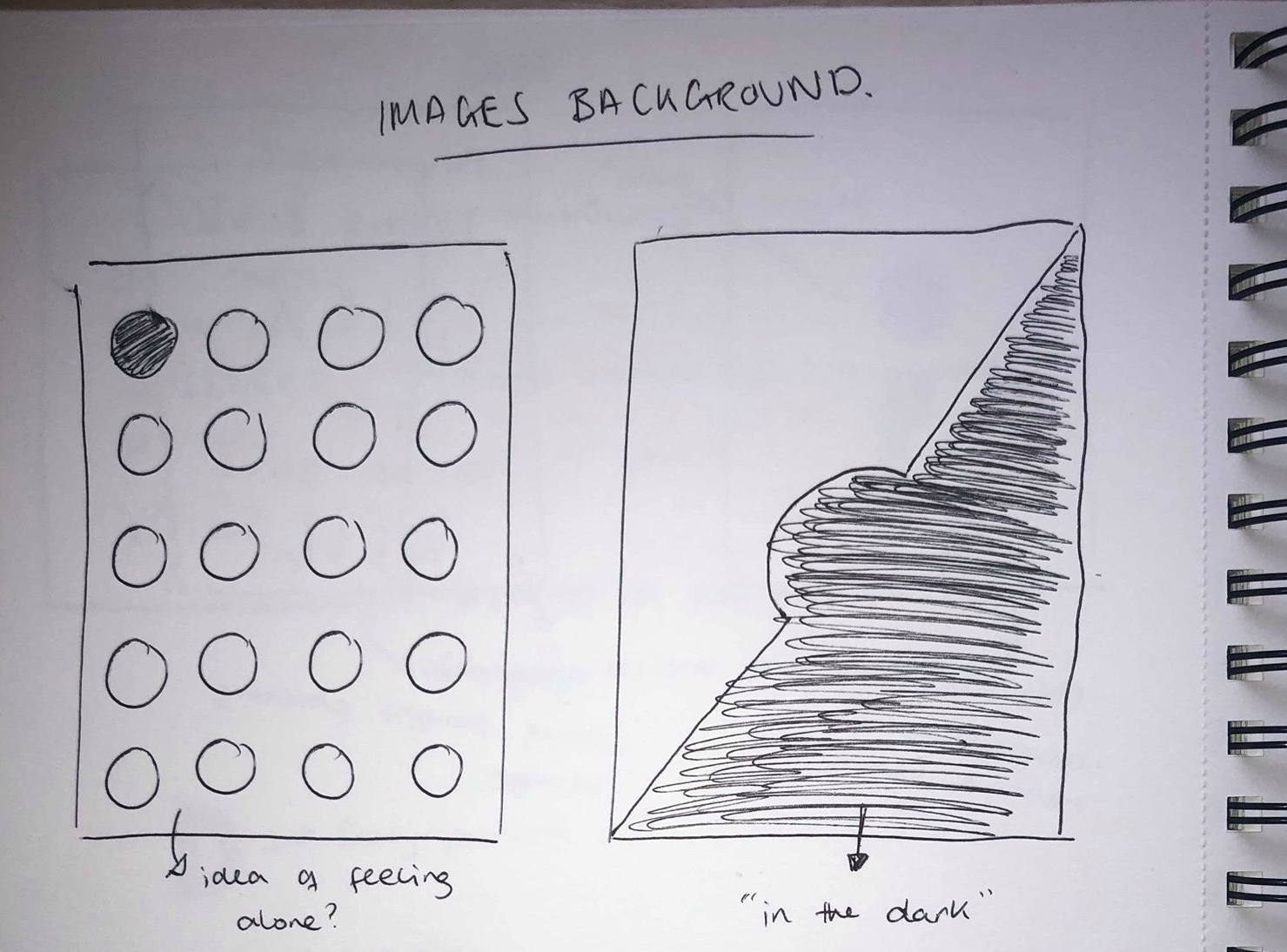
I then looked into using imagery to convey a message, I wanted to keep it simple so it would be easy for the viewer to see and understand what the message is.

Overall I think the visuals in both placards work really well, however to me they just look too much like posters and are the kind of things you would expect to find in a protest. The idea on the right has a good message behind it, but the text is far too small for a placard. The image of the right again has a strong message behind the visual which i think works well, however I struggled to figure out a way to add text to it without it behind hidden away underneath the image, which meant the text would still be too small.

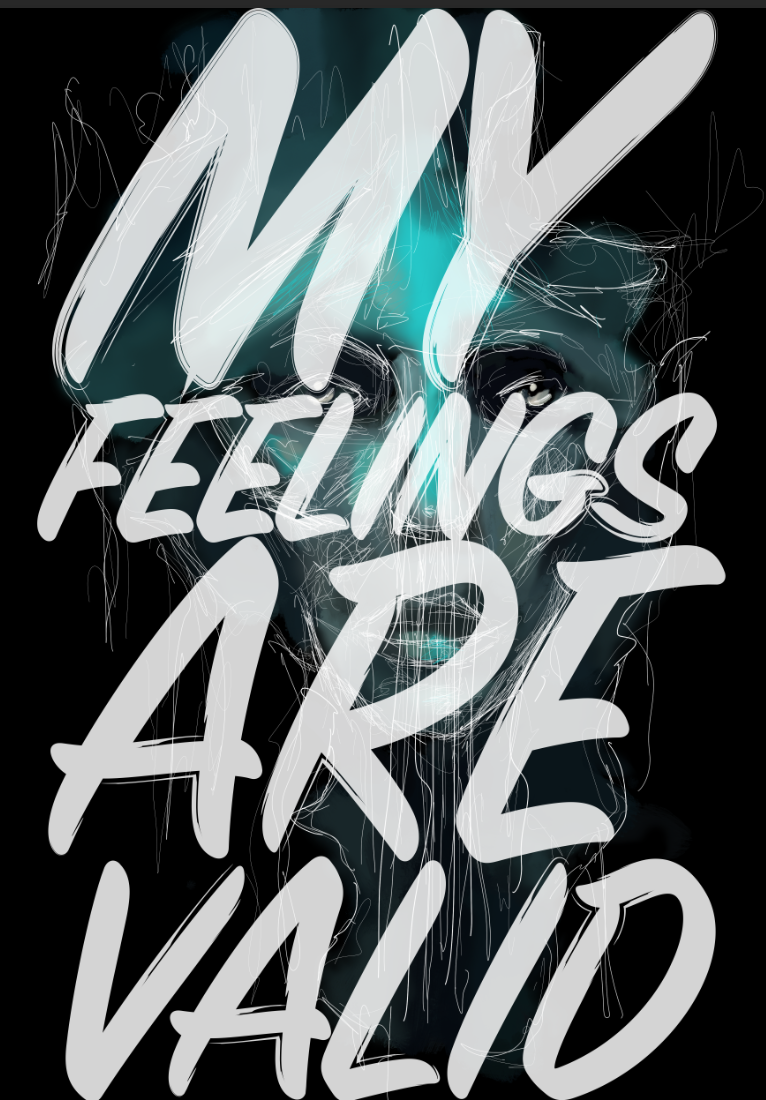
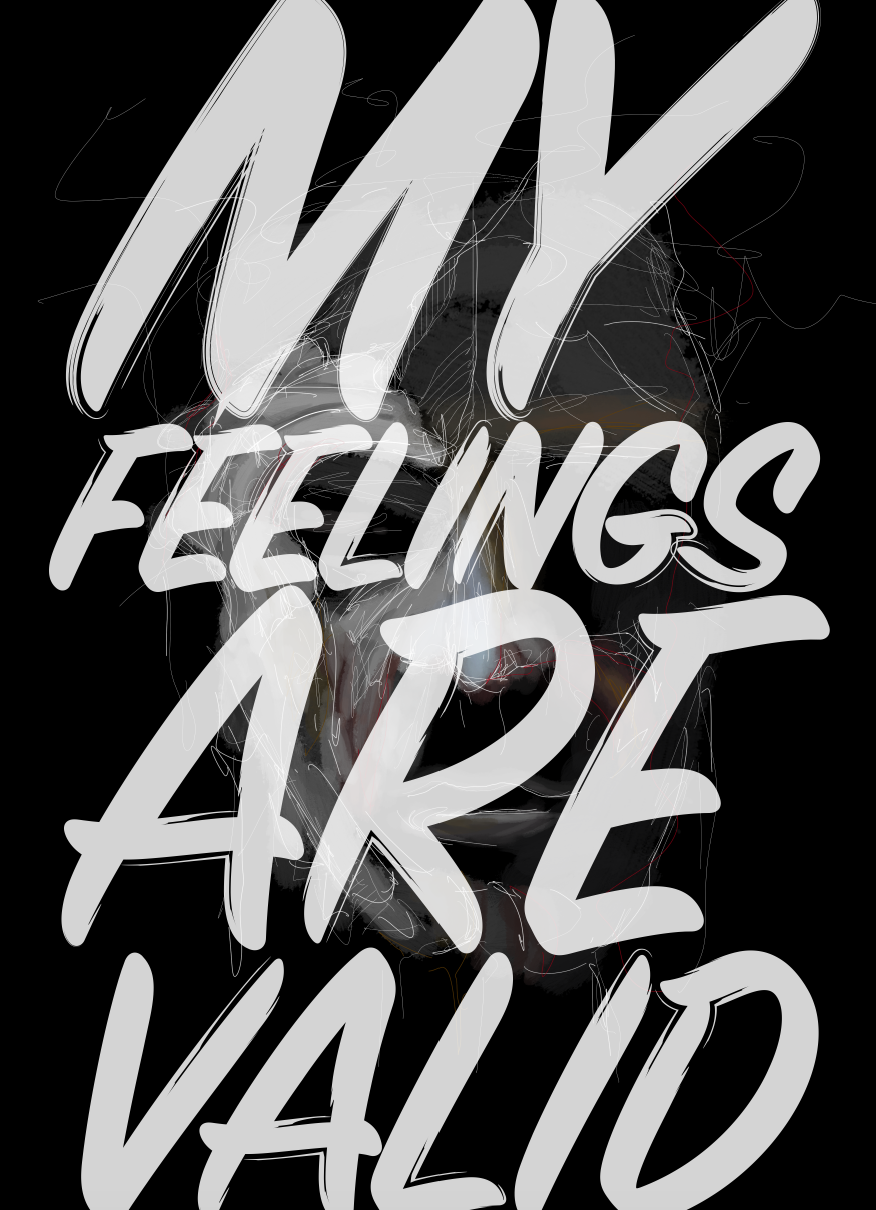
I then used my illustrations which I created last week to use as a base for a placard, and added text over the top of it. I made the text slightly transparent so you can see the image underneath, and I gave the text a thick, brush outline to make it look hand drawn.

Overall I think they both work well and are visually appealing, however although the text is large enough for the audience to see, I now don’t think the illustrations are overly visible underneath the text. I decided not to use either of these for my final placard because of these reasons, but I do like the way the text looks hand drawn and think it looks much more personal.

Design a site like this with WordPress.com
Get started