Illustration – Initial Outcomes

After deciding on the overall idea of our illustrations and what style we wanted to use, I researched online to find some artwork which resembled the sort of style we were going for.

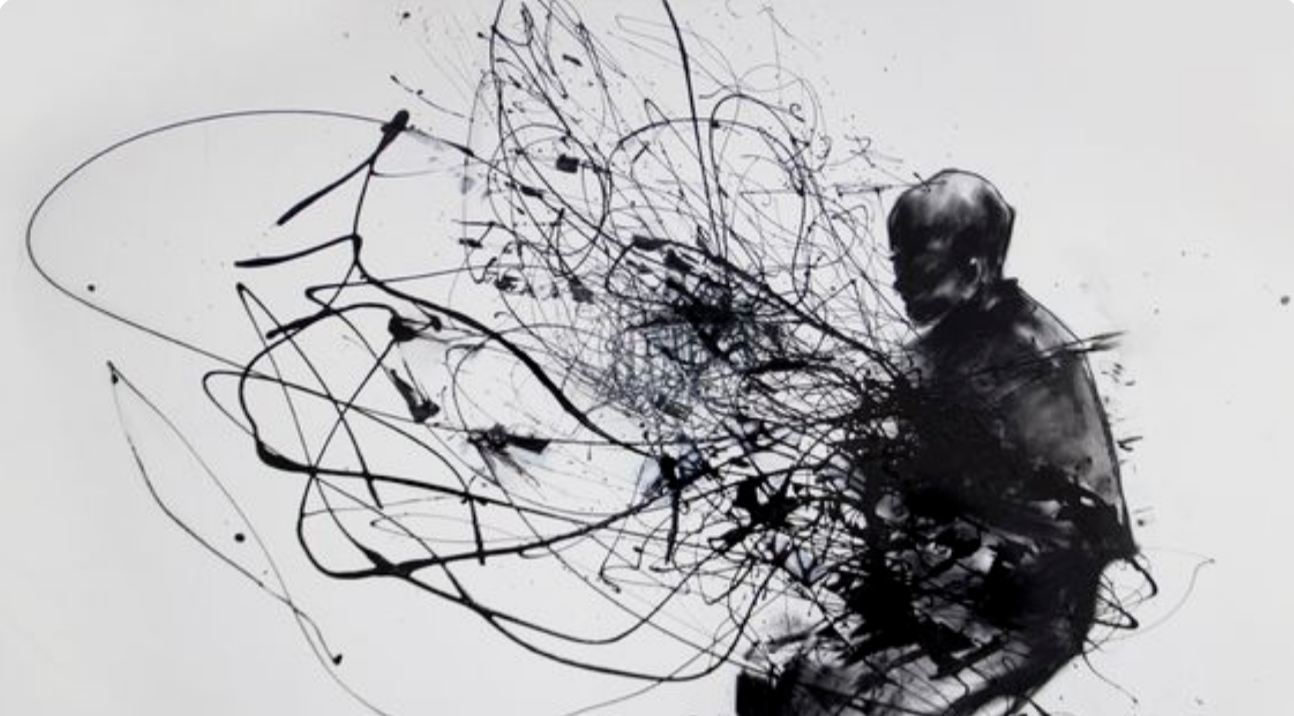
I took influence from my sketches and searched to find some drawings which illustrated the sketchy and hand drawn style I wanted to achieve, the scribbles and rough lines give a sense of messiness and imperfectness, and just like mental health illnesses and the people suffering with them nothing can ever be perfect. I think the messiness backs up our idea of the ‘storm’ going on inside someones head, and can also go to show that something which doesn’t by any means look perfect can still be beautiful.

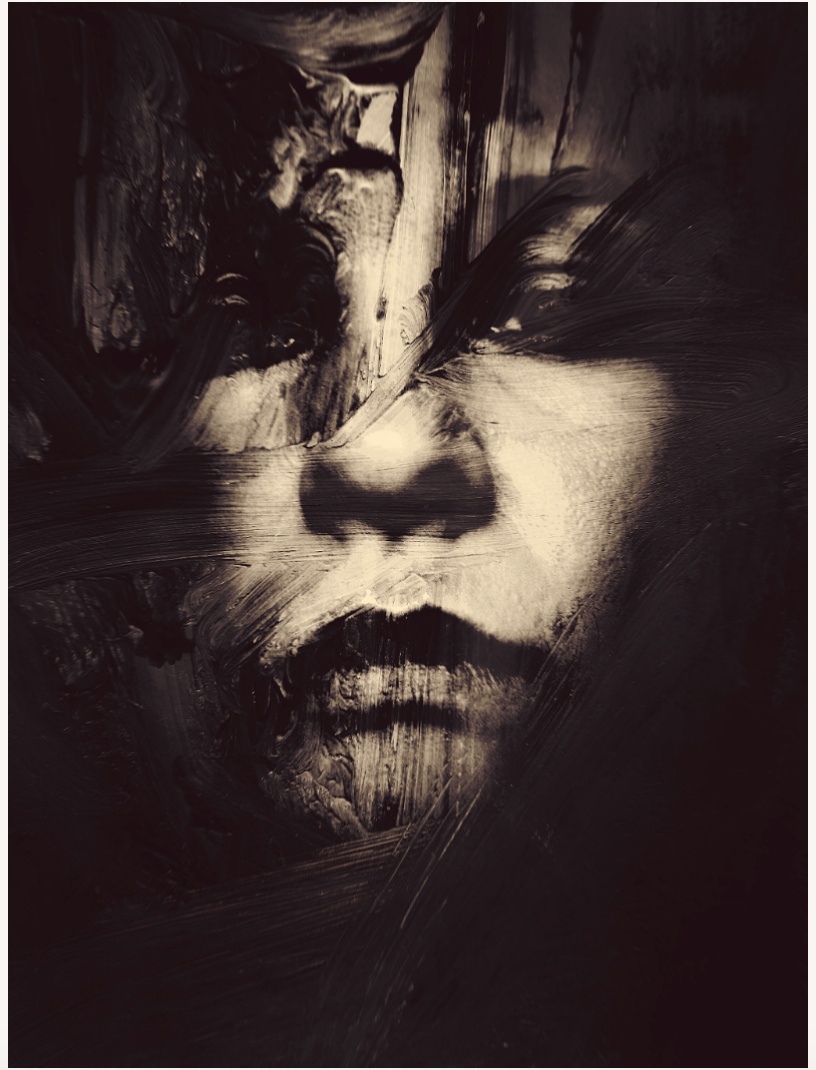
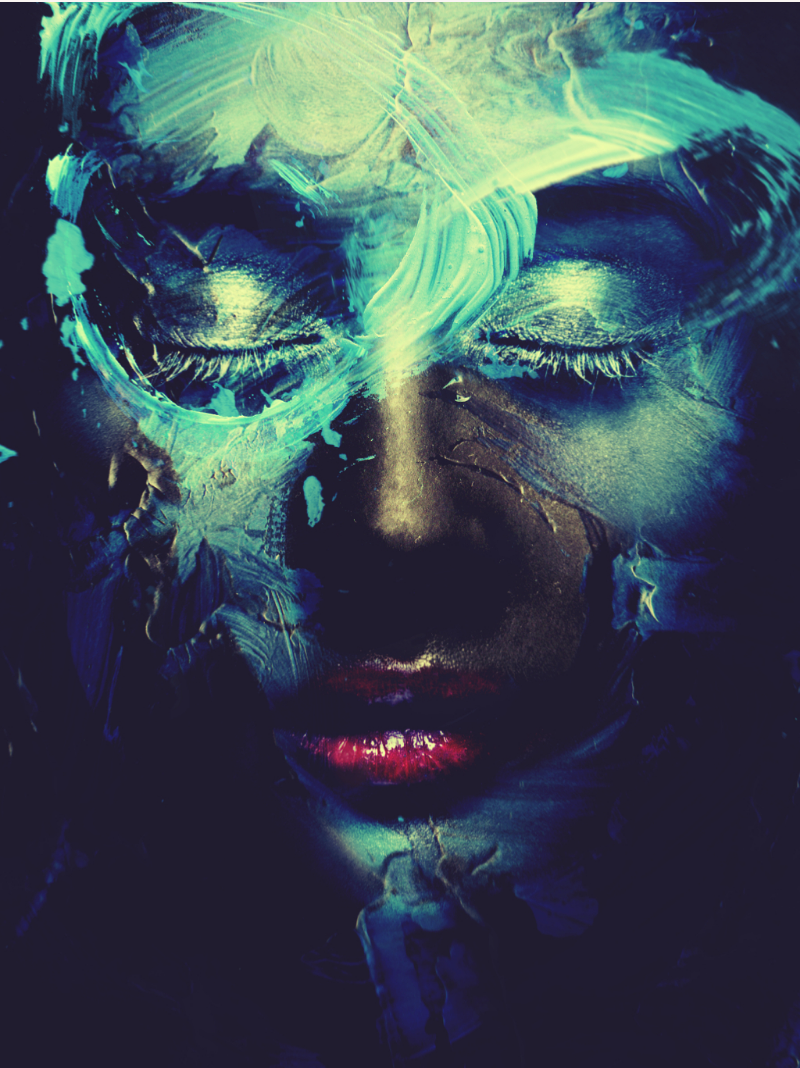
I also came across an artist called Michal Mozolewski who creates artwork using a mix of painting and photo-manipulation. Although the art is made through editing photos, the style of all of his pieces are very moving. He takes portraits and using illustrated lines or brush strokes and makes the beauty in the image imperfect. All his work has a very dark feeling, they all seem to be emerging from the darkness into the light which is a very moving thought and one which our protest aims for. Although we wanted to keep our colour palette very minimal with mainly just black and white, the addition of the blue draws the eye and I feel there is more of a feeling of sadness portrayed in the blue than black and white. The images all seem to have faces with the mouths closed which goes alone with the quite side of our oxymoron, and personally I think the way they all contain illustrative lines is a subtle way to make the piece look messy and as if there is a ‘storm’ going on inside their head.

http://agnes-cecile.tumblr.com/image/72086913656http://agnes-cecile.tumblr.com/image/72086913656

https://www.artstation.com/mozolek

Illustration – Idea Development

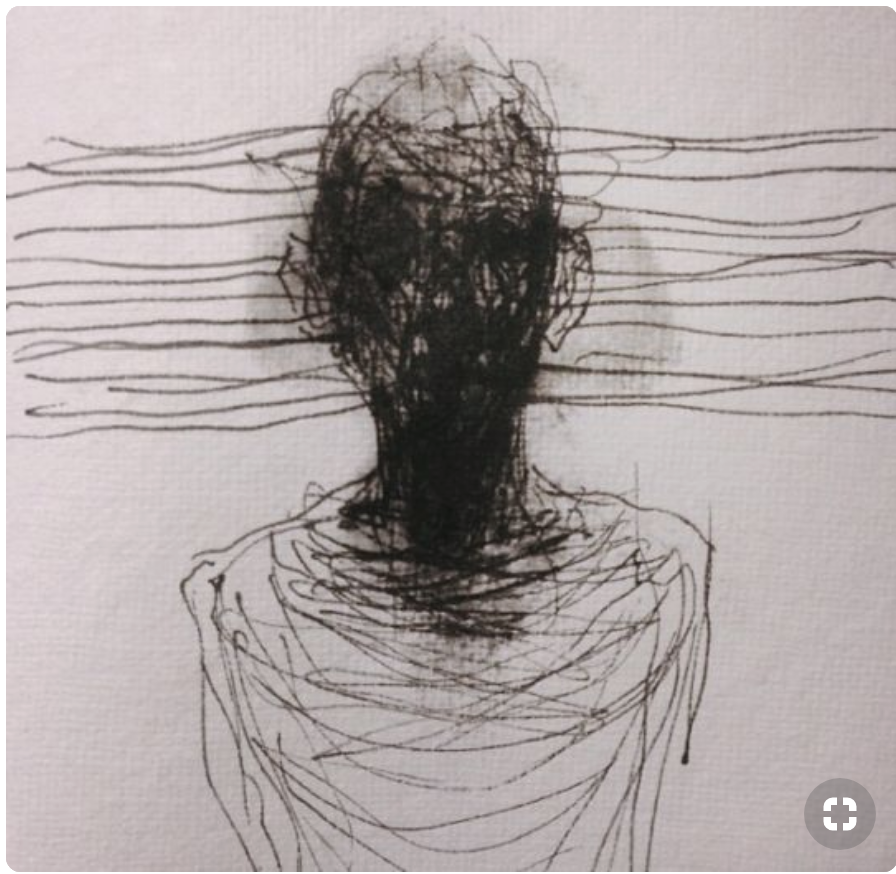
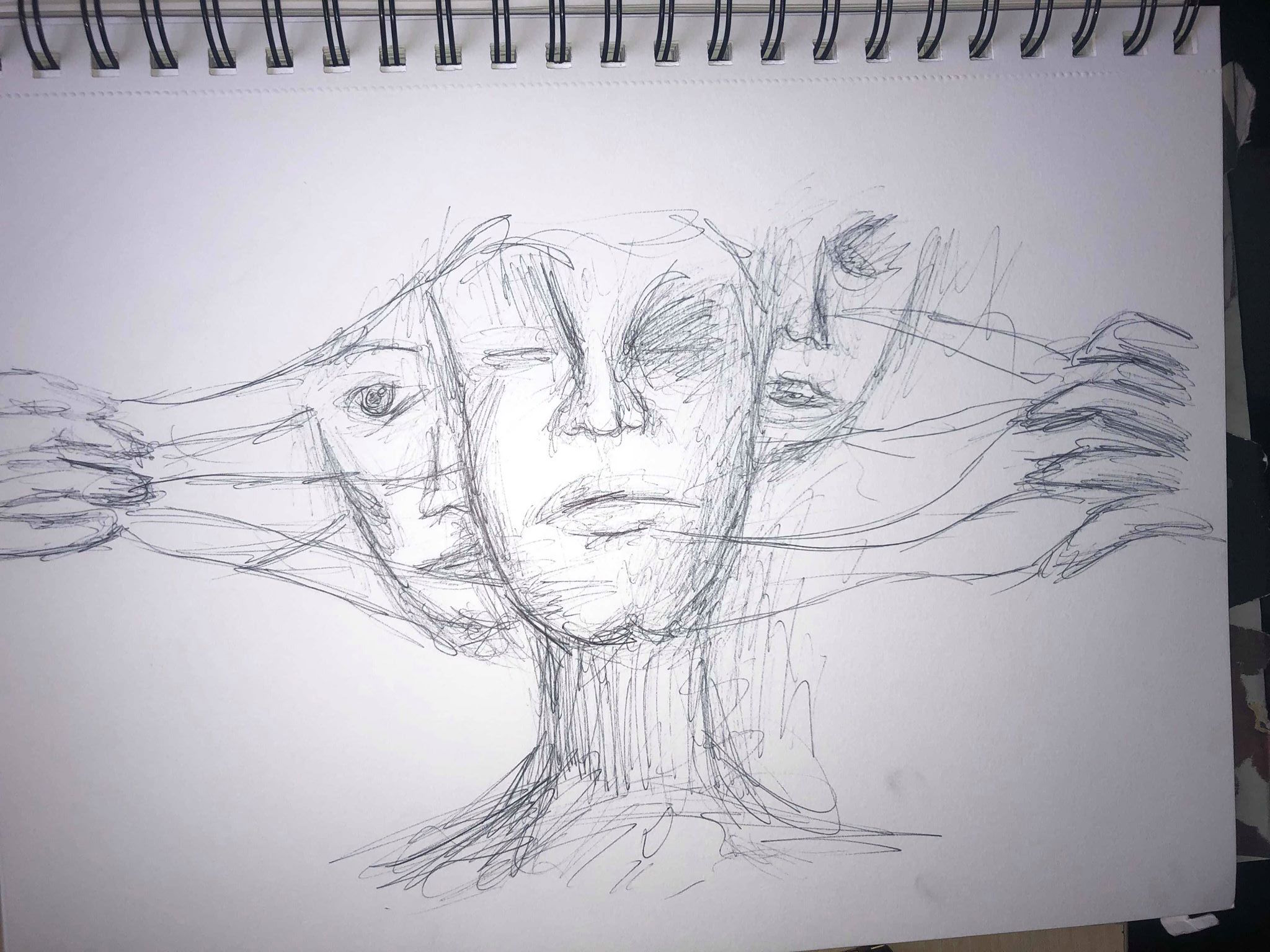
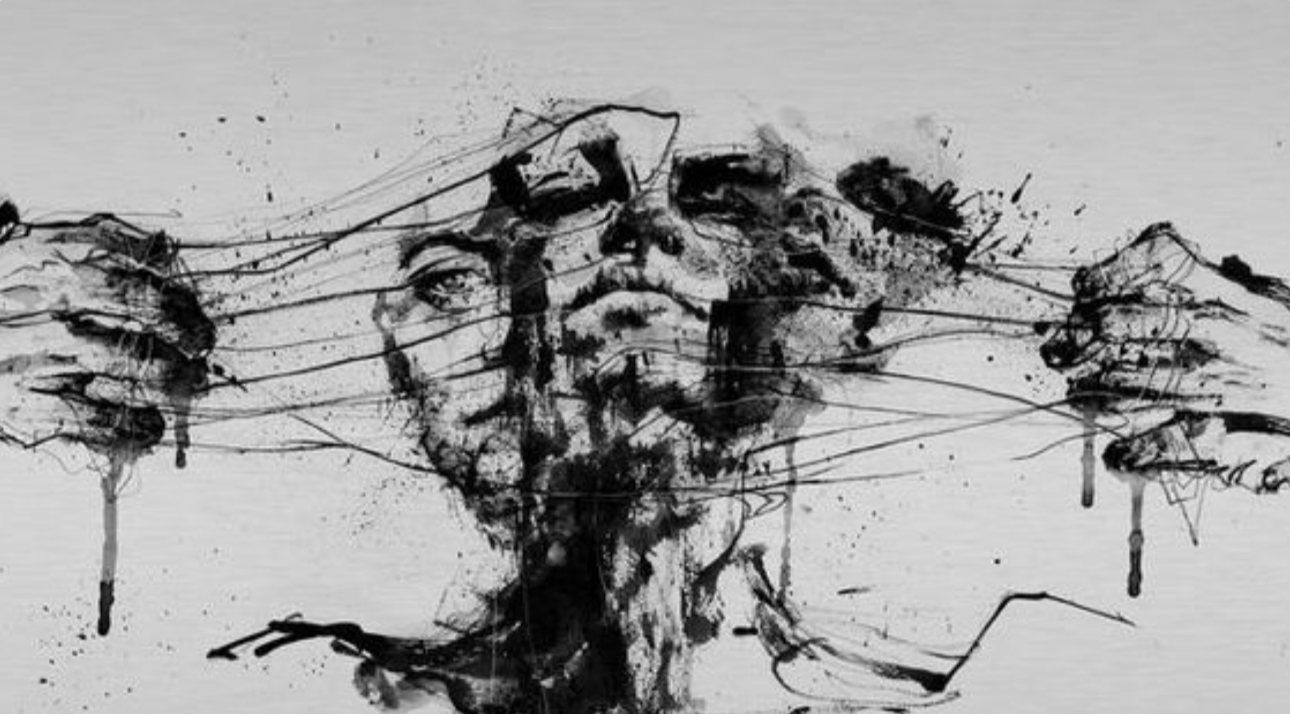
During out group discussion I also came across a sketch by artist Agnes Cecile and share it with the group along with my sketch of it. We all loved the art because it had different meanings to all of us and all had different interpretations of it. Personally the idea of the closed mouth and eyes of the middle head portrays quietness without having to physically silence someone, which to me is a great description of mental health, although no one is physically silencing someone with mental health, many people suffering feel as though they can’t speak out. The other heads could be seen as thoughts inside their head creating a storm of thoughts and feelings fighting to make their way out.

We all decided to create our own individual illustrations of our interpretations of this piece of art, we all have different styles and were interested in seeing what style would be most successful in conveying the feeling we wanted to show. taking influence from the art by Agnes Cecile who uses lots of dark tones, we decided on using mainly black and white with tints of blue and red which could possibly show more feelings and emotions, but we all decided the black and white nature would give the art works a slightly darker nature which is what we were going for, we didn’t want the illustrations to be light and happy, we wanted them to make the viewer think about what the message is. Mental health can be a very dark and scary world and certainly isn’t bright pretty colours and happy thoughts and to fit in with our manifesto we wanted our illustrations to be true representations of mental illnesses.

https://www.art.com/products/p43103112569-sa-i10143662/agnes-cecile-drawing-restraints.htm

Illustration – Initial Ideas

In our first session we were tasked with choosing an oxymoron from a given list and we had to create a quick illustration on our chosen oxymoron. We all sketched out a few ideas of the first things that came to our heads when we thought about our chosen words which were ‘Quiet Storm’. We had a variety of ideas in which we paired together things we thought about each of the two words. I started off with literal ideas of each word, for example someone sleeping and being quiet, birds chirping etc for ‘quiet’ and wind, rain and lightning for ‘storm’. I thought about these ideas but decided the literal approach was one which may not be as effective, and adding someone sleeping with rainstorm might not be as powerful as using a metaphorical interpretation.

We then had a discussion as a group and the most promising idea we could come up with was using a quiet storm to link back to our theme of mental health. Mental health illness are known to be ‘silent killers’ and we thought the main reason for the name is that many people with mental illnesses feel like they can’t talk about there problems for any reason. The ‘storm’ part we decided could be portrayed as the ‘storm’ or mass of thoughts going on inside their head. I drew a few illustrations to experiment with this idea.

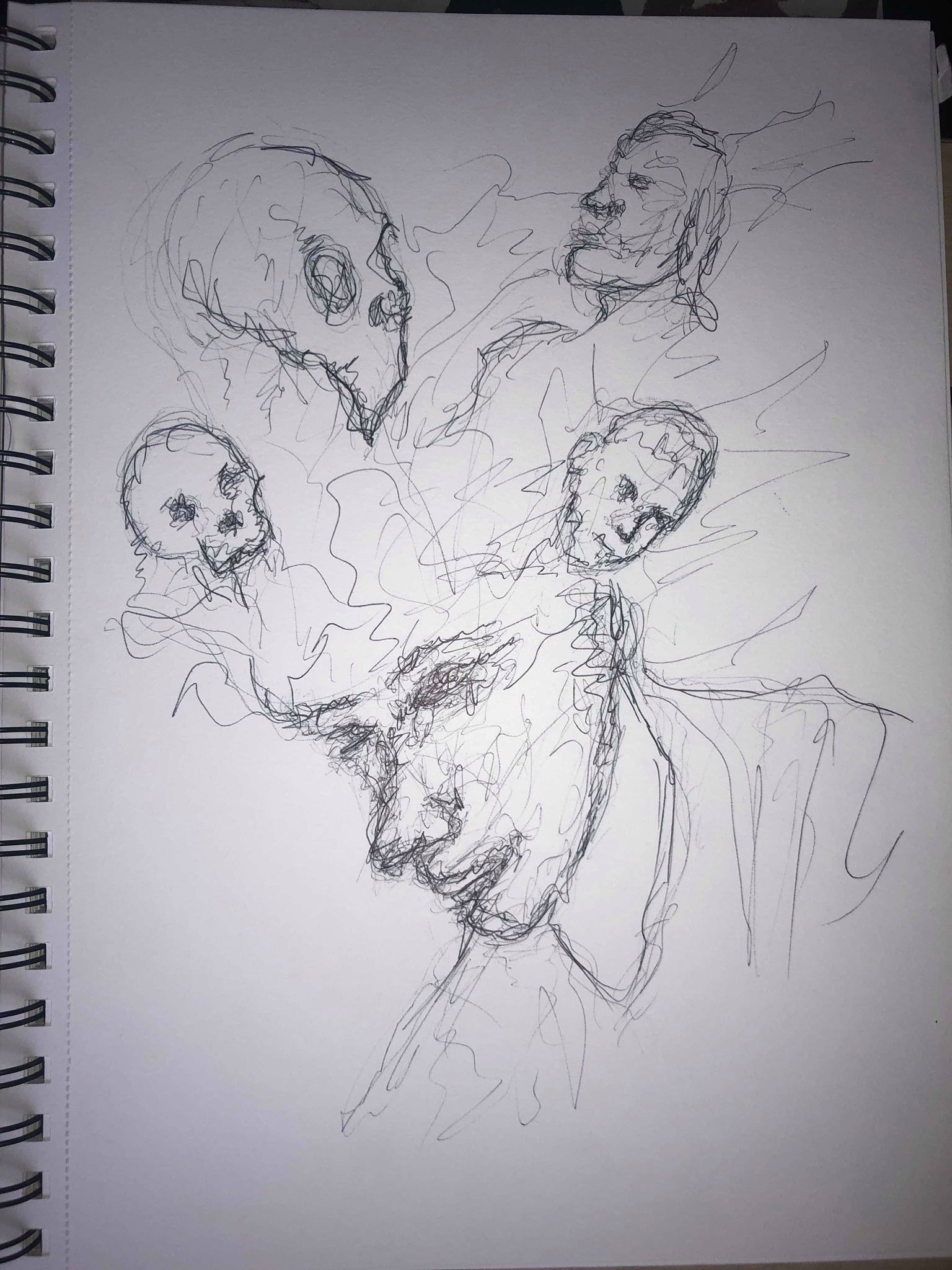
My first sketch was playing around with the idea of a storm, I drew the body looking slightly uncomfortable, with dark clouds to represent the storm and dark thoughts which could be going on inside their head. I played with the idea of replacing the head with the clouds which could represent the ‘quiet’ part of the oxymoron as they are not able to speak out. For the second sketch I tried to take a different approach by making it look more ‘sketchy’ and messy. I think it portrays the overall mood of the drawing much more than clean lines would. I kept the mouth closed to give the impression that they can’t or don’t want to speak out, with the ‘voices’ inside his head trying to get out.

Manifesto – Final Outcome

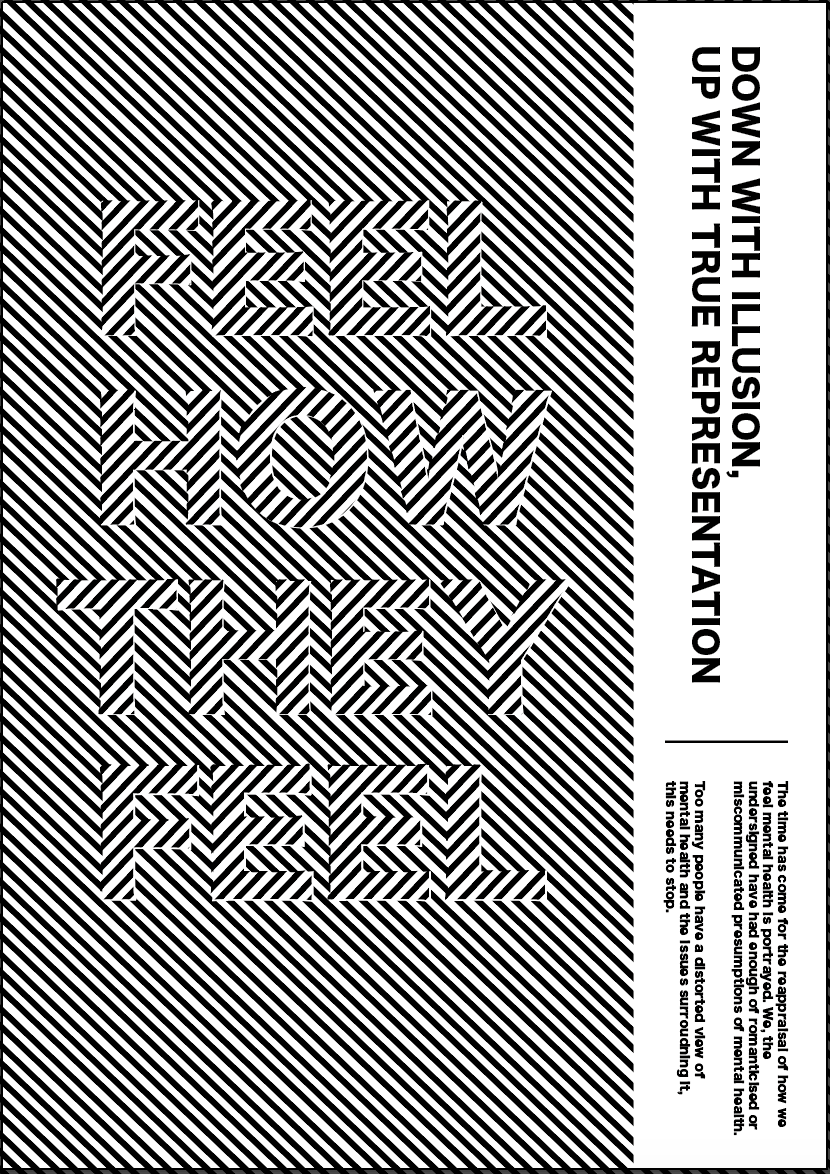
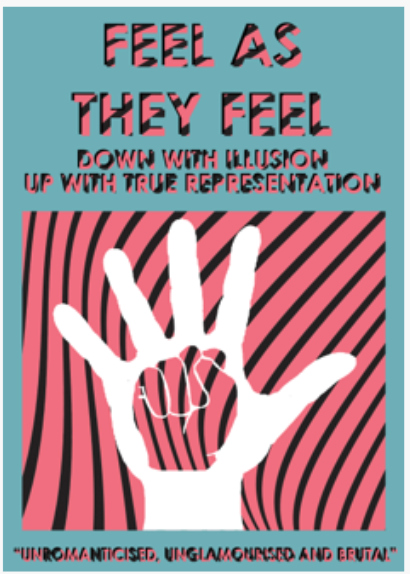
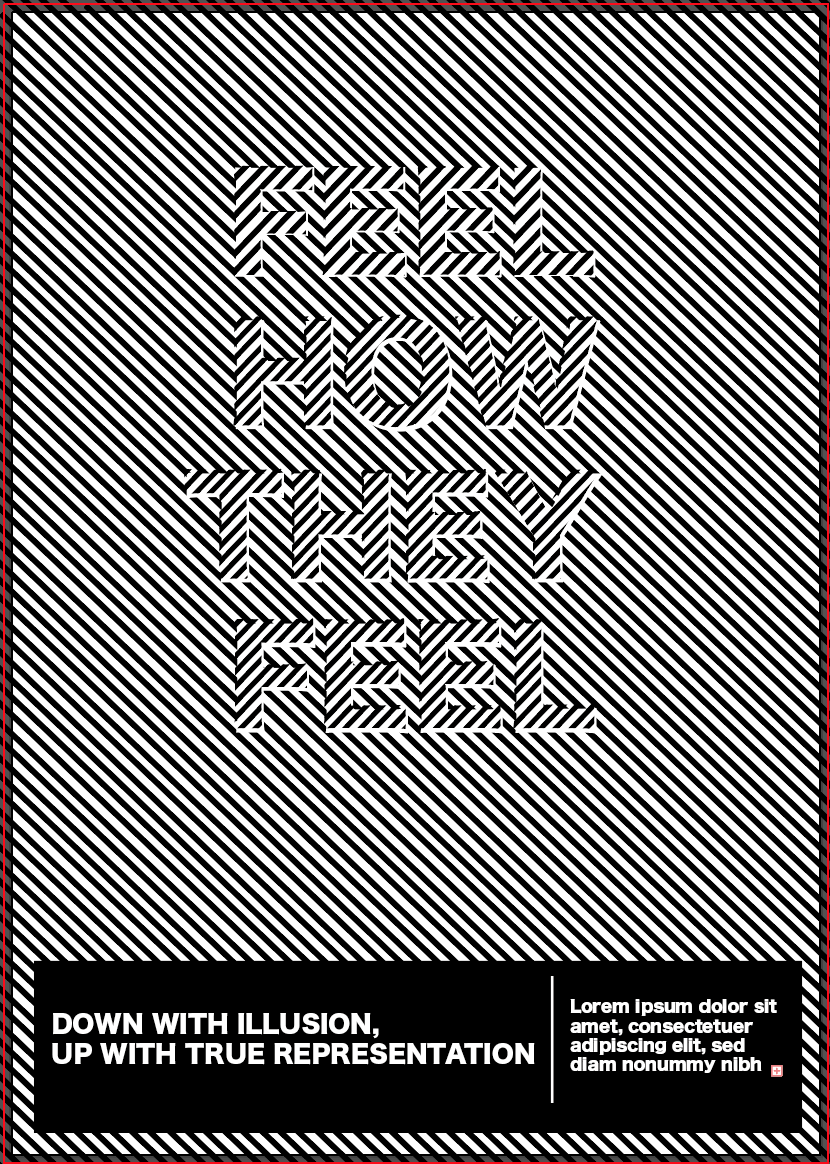
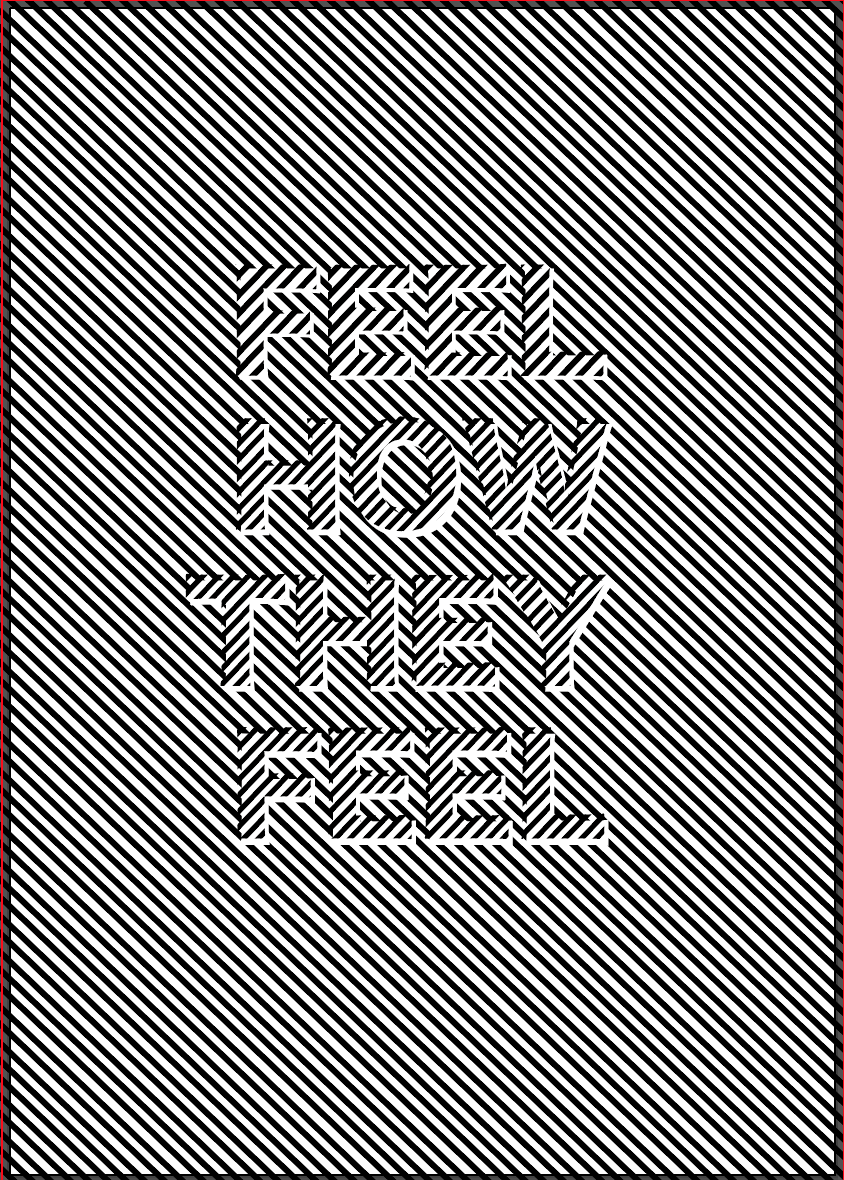
Overall i think the piece is a good cover for our manifesto, giving a slight insight into our manifesto using imagery and a small amount of text. The illusion visual was to reiterate the idea how confusing mental health illnesses can be, and it isn’t until you get closer to someone with a mental illness that you start to realise and understand whats going on. The confusing background could also be used to explain how someone with a mental health issue might feel, they might not be able to explain it, or may even be scared to and so it gets covered up, or hidden, just like the text.

“Down with illusion, up with true representation” is the subheading for our design and is based around the idea that there is an illusion around mental health and lots of people struggle to understand it or see the picture, therefor the aim of our manifesto is to raise awareness of this and represent the ‘true representation’. The next text is just a brief description of our manifesto and is as follows, “The time has come for the reappraisal of how we feel mental health is portrayed. We, the undersigned have had enough of romanticised or miscommunicated presumptions of mental health. To many people have a distorted view of mental health and the issues surrounding it, this needs to stop.”

Although we used my design for the final outcome, the work that I created was a combination of everyones work throughout the process which contributed to the piece. Shannon and I worked very closely to create the effect of an illusion, using the same techniques and lots of critiquing each others work to create a visual design which is the main focus of our piece. I also took inspiration from Jack and Sophie who created designs incorporating text into the outcome which we did for our final design.

Manifesto – Refinement

i met up with the rest of the group to show them the work I had come up with and we all agreed this was the most effective of them all. We agreed that it was the piece which stuck to our theme and idea the best, it’s very simple yet it stands out and the words draw the eye instantly, drawing the viewer in to see what the manifesto is and what it stands for. The idea of the illusion is portrayed well and gives a distorted feel which we think stands as a strong visual metaphor for the ‘distorted view’ many people have on mental health. The idea of the text being incorporated into the background using the same style also works well as a metaphor for metal health, that you have to look further than how someone looks or acts as the inside can be a very different story. The use of the illusion background was to reiterate the fact that some outsiders to mental health issues don’t fully understand an individuals condition, they need to be closer to that person to fully understand.

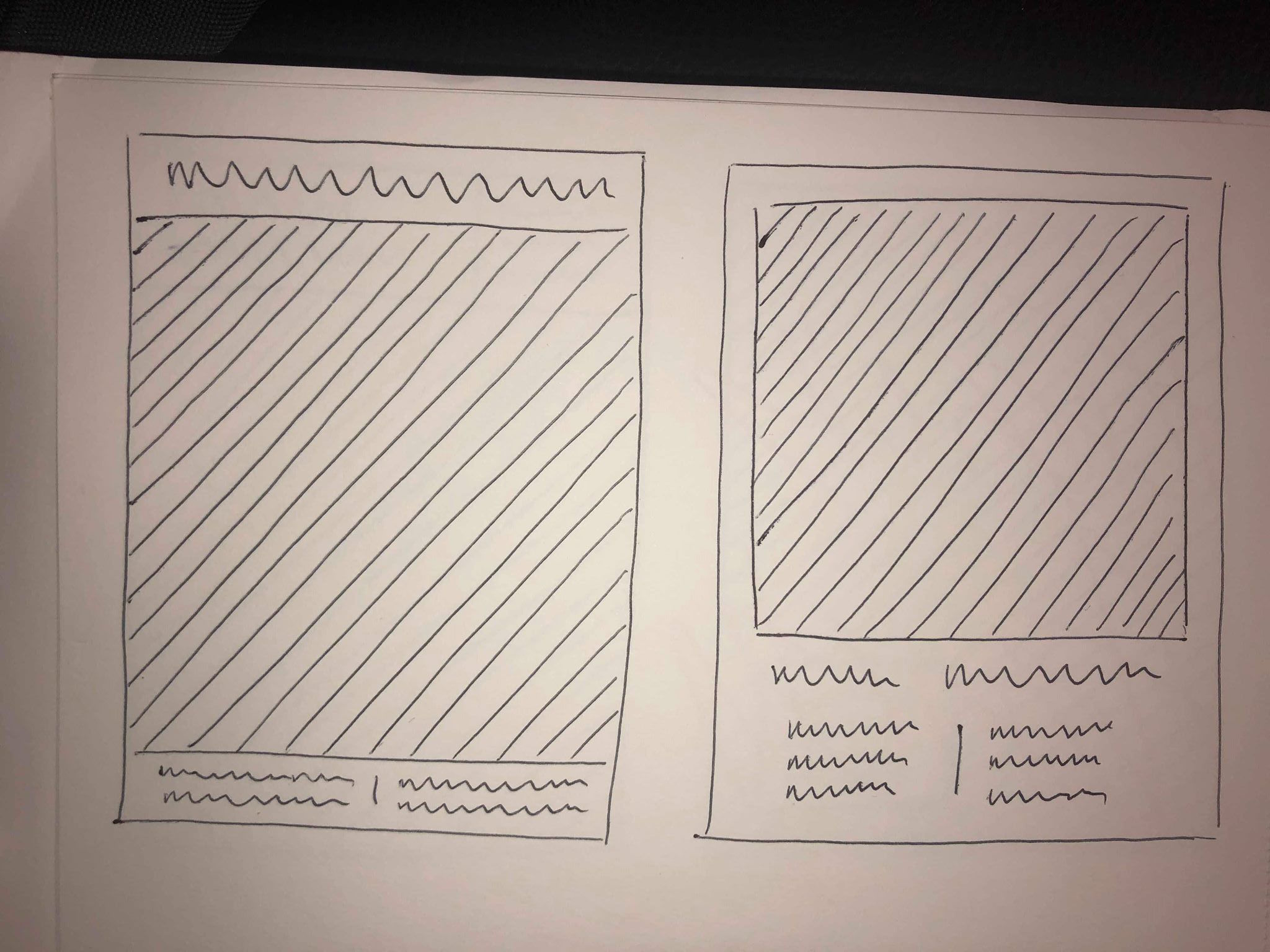
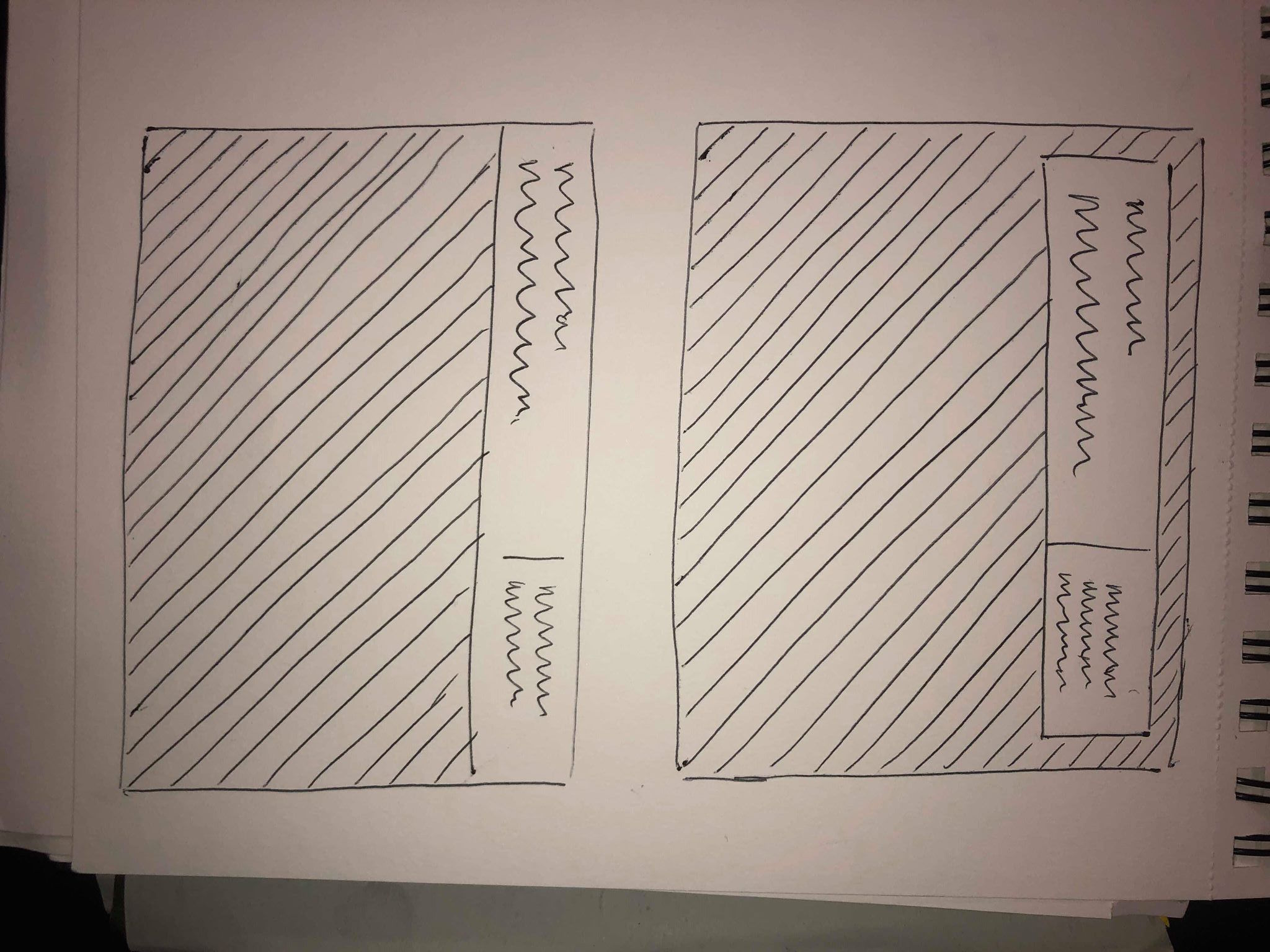
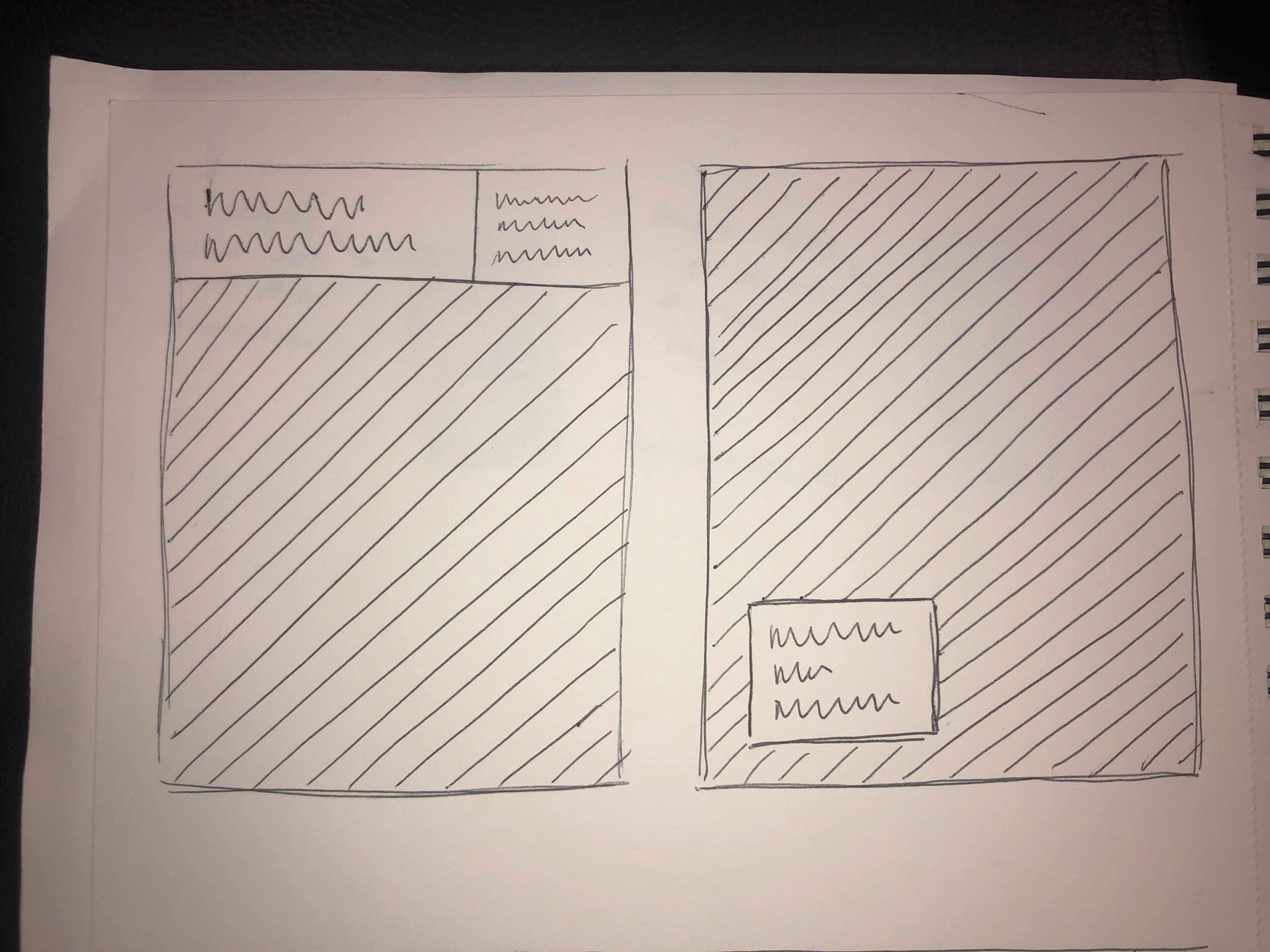
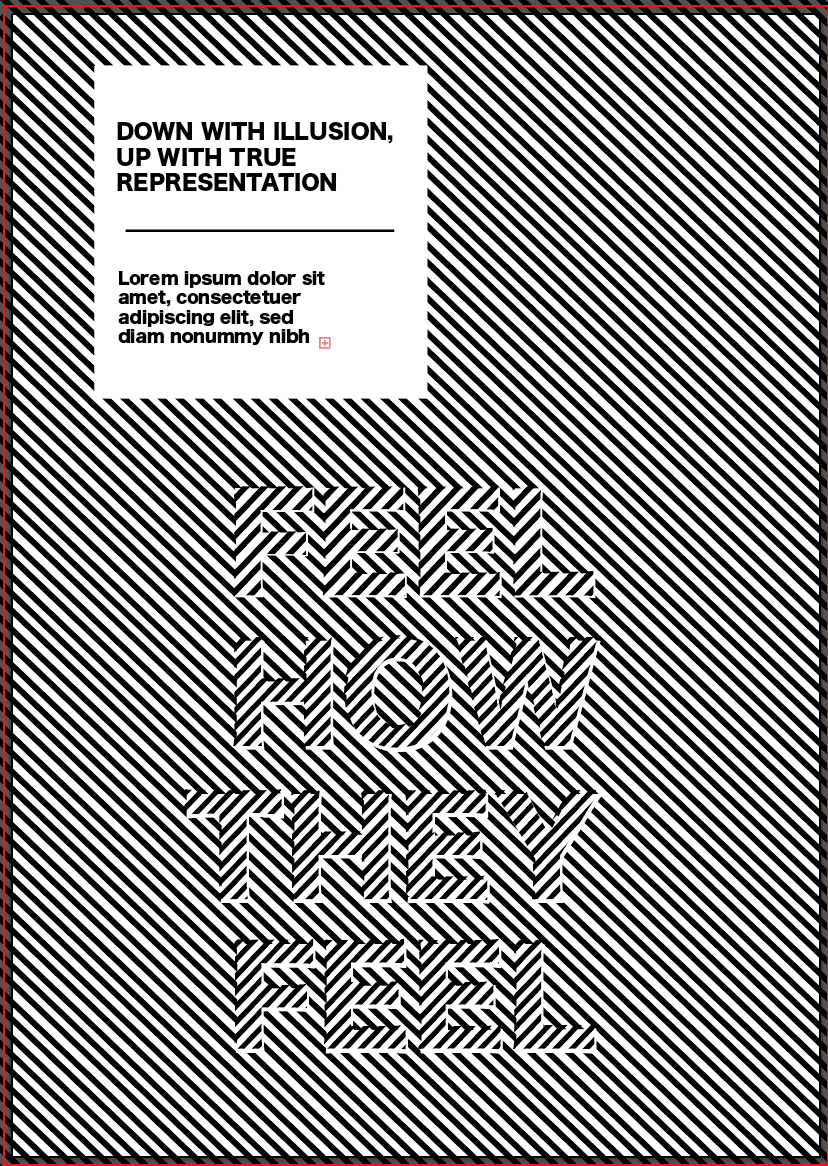
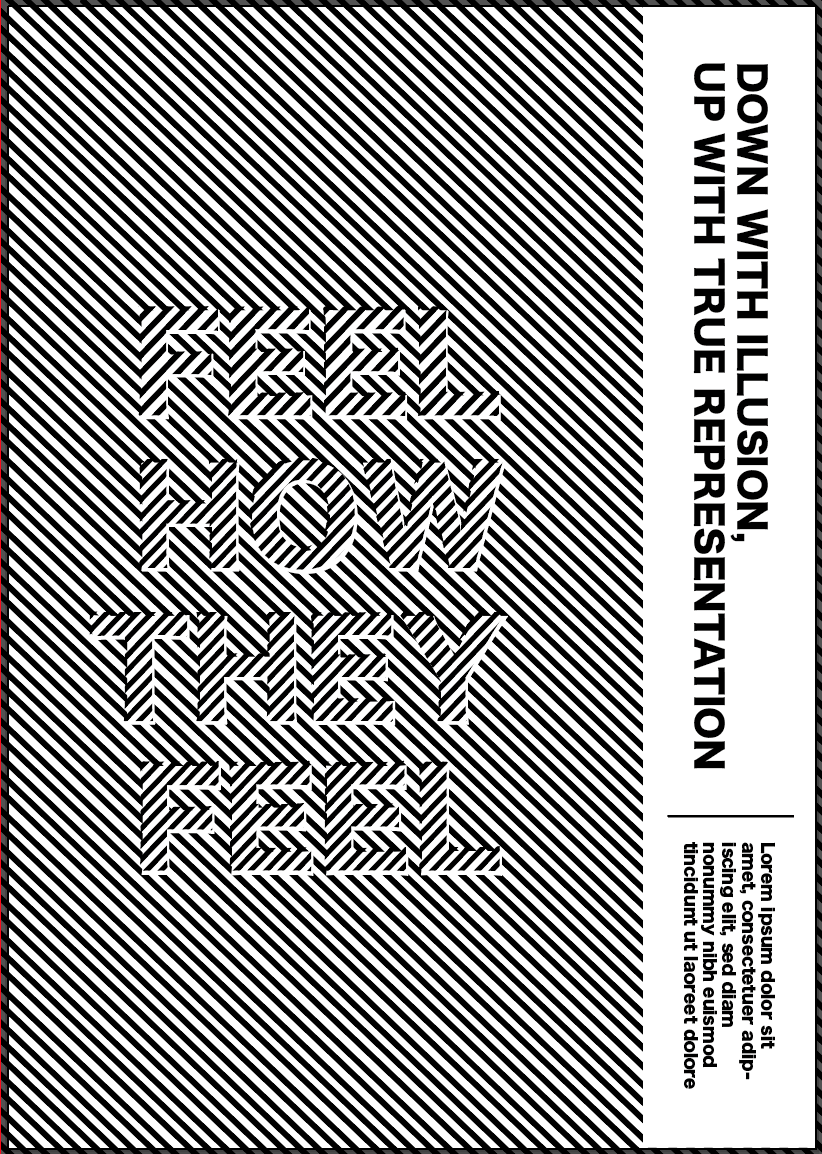
Although the piece portrays our idea well, we discussed that you would be unable to tell it was for a mental health protest from from just looking at it. Because of this we wanted to make it more of a poster with a subtitle and some information. I drew out a few sketches of possible ways we could do this. I wanted to keep the design as the main focal point for the piece so mainly used simple boxes around the edges to keep the design at the centre.

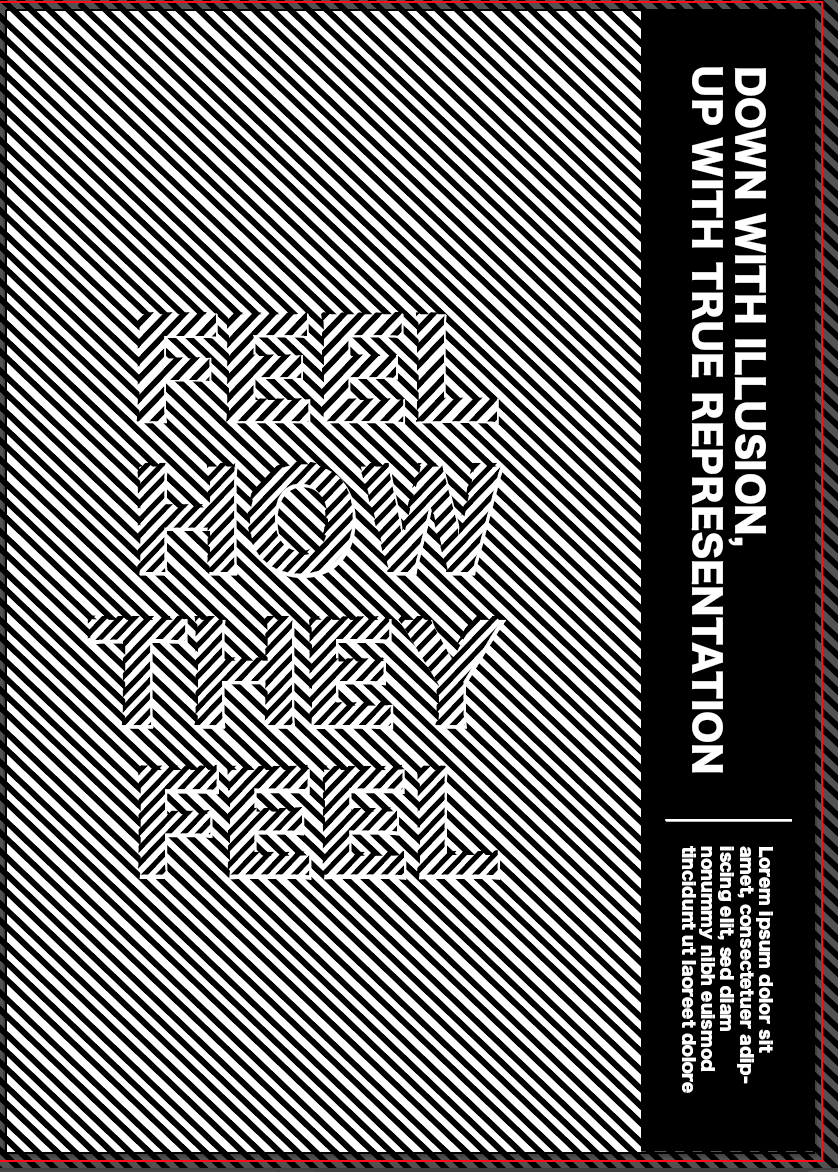
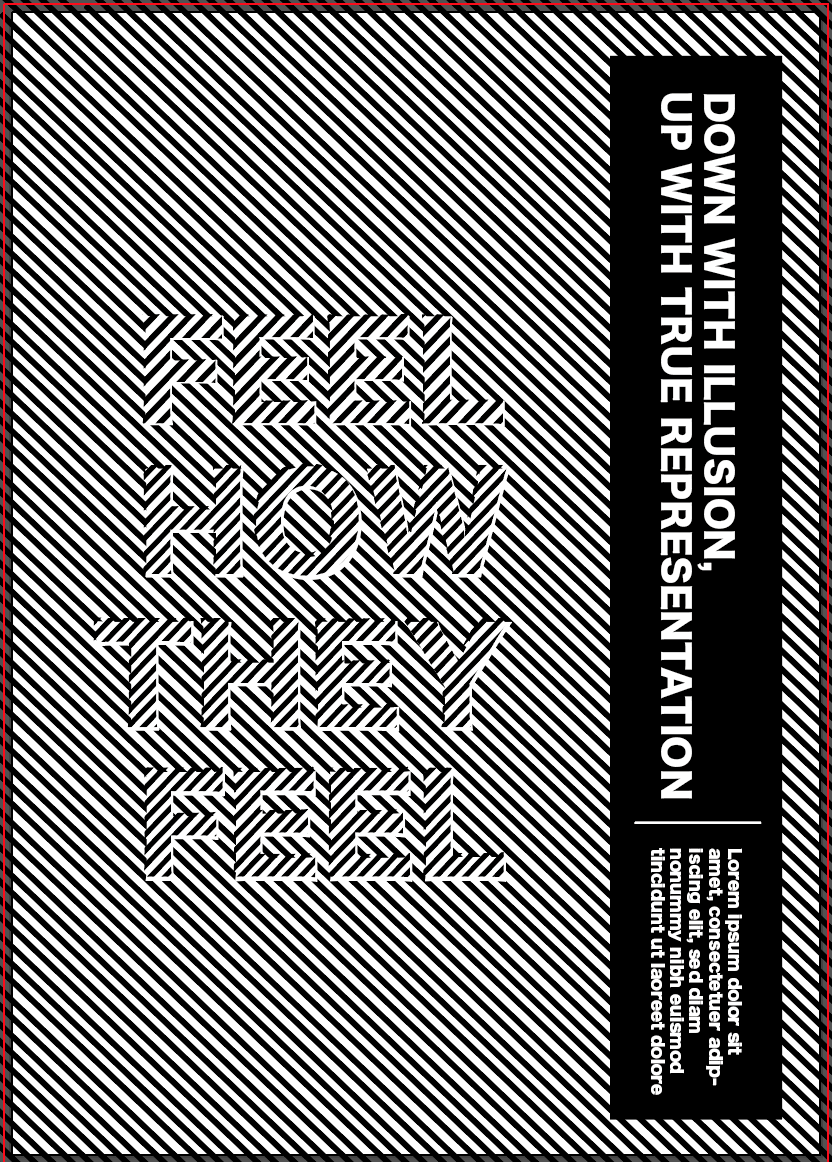
I then took to InDesign and created some final designs, taking inspiration from my sketches and adding white and black boxes to the work to create some negative space where I could add text.

I experimented with a variety of different styles to create an outcome which looks sophisticated but doesn’t take up too much space in order for the design to be the main feature. I think instantly each design takes it from just being an illusion to a poster and gives more information about our manifesto. Overall as a group we decided the two with rectangles running down the right side of the page were the most effective due to the fact they make the most use of the space and leave space in the middle of the page for the illusion and title to be showcased. The text also flows well from the title to read the rest of the text.

Manifesto – More Development

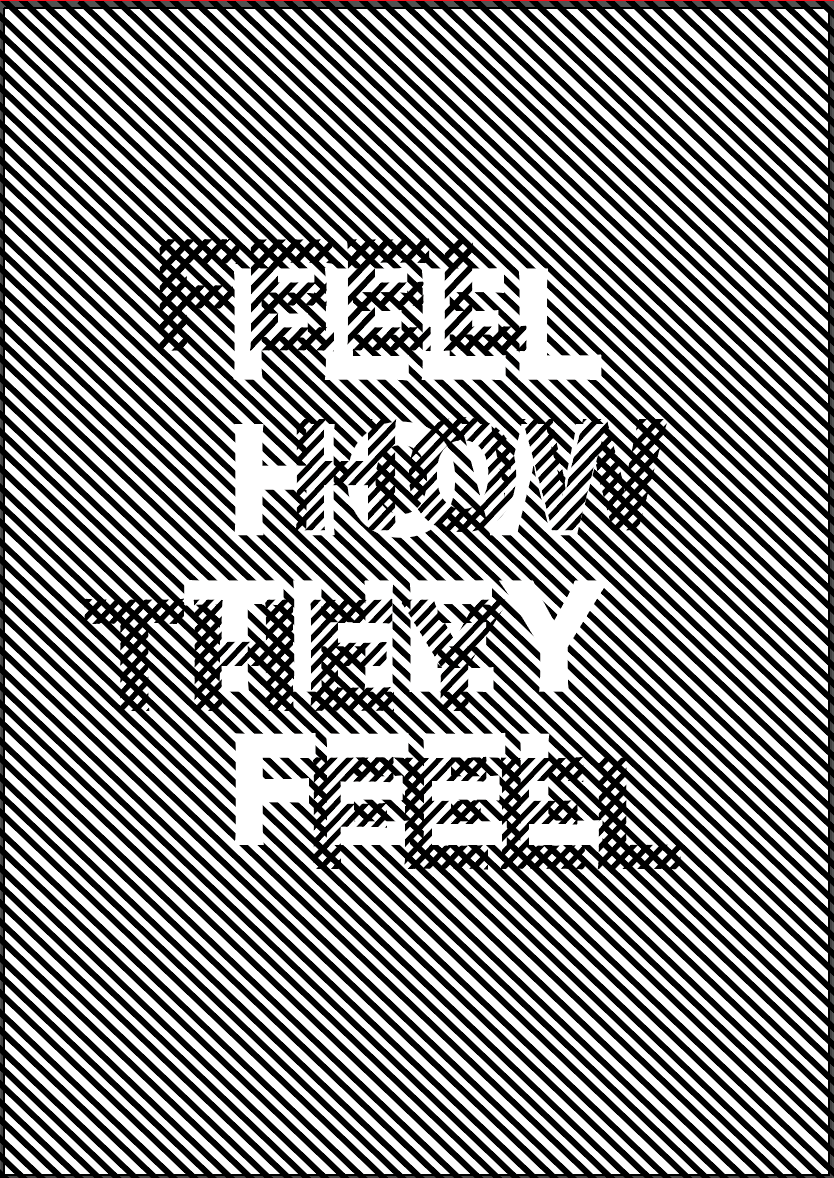
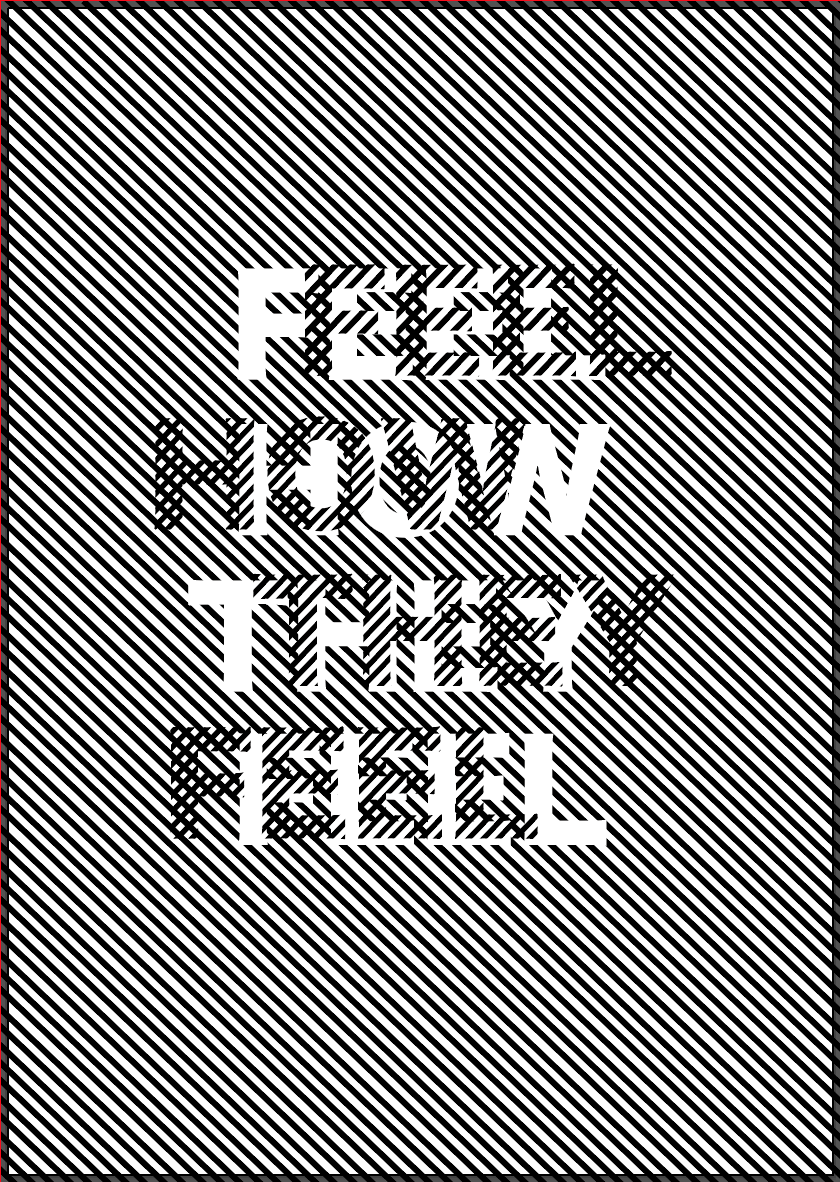
I then took the idea from my previous post and played around with it more on illustrator. I added a white background to it and offset the text slightly from the white background so the text is more easily recognisable. I also enlarged the text which I think also makes the text much easier to read. The smaller text is also indistinguishable from the background when it’s viewed from a distance whereas the enlarged text means it will be easier to see from a distance.

I also tried to play around more with the idea of a distorted or blurred view, keeping the white background in the same place and moving the text around into different positions. It adds extra layers to the piece, with the white text as well as the ‘checked’ areas where the lines going in different directions are crossing over. I think it works well and is very eye catching and acts as a focal point, however the idea of our manifesto is all about mental health disorders being hidden and not being represented truly, so I think the initial 2 ideas convey this idea much better by having the text almost hidden in the illusion, making the viewer look further into it.

Manifesto – Idea Development

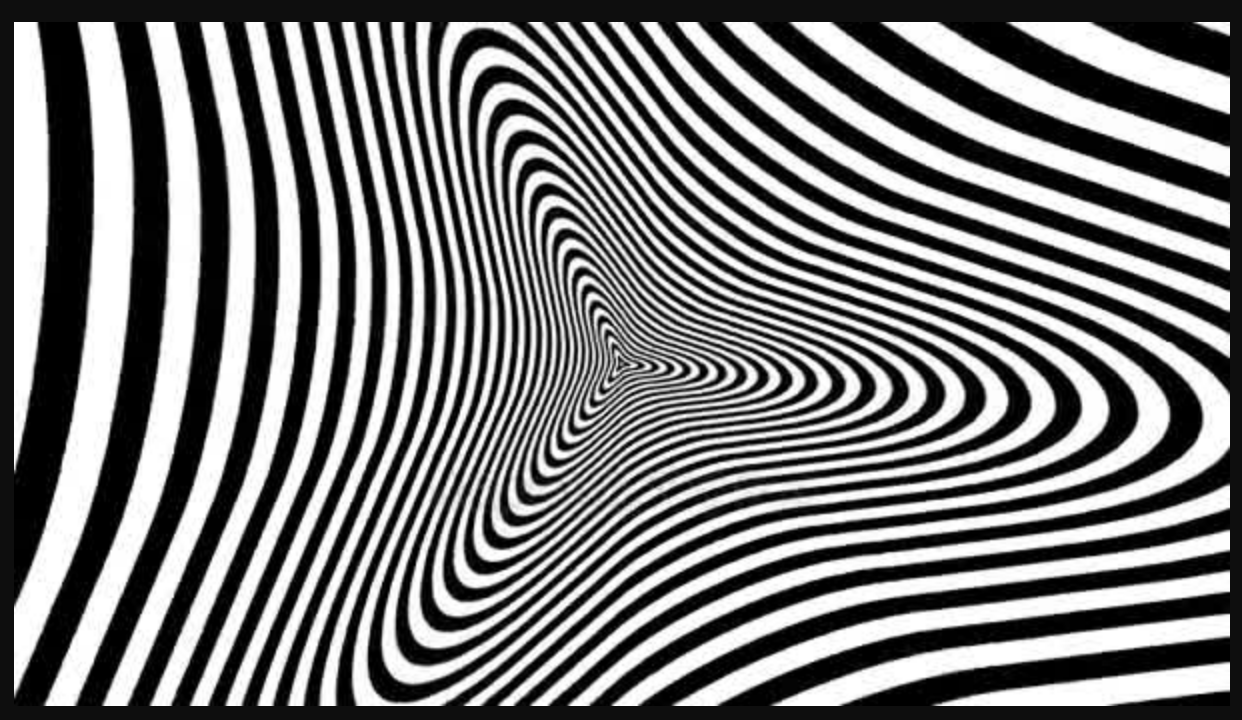
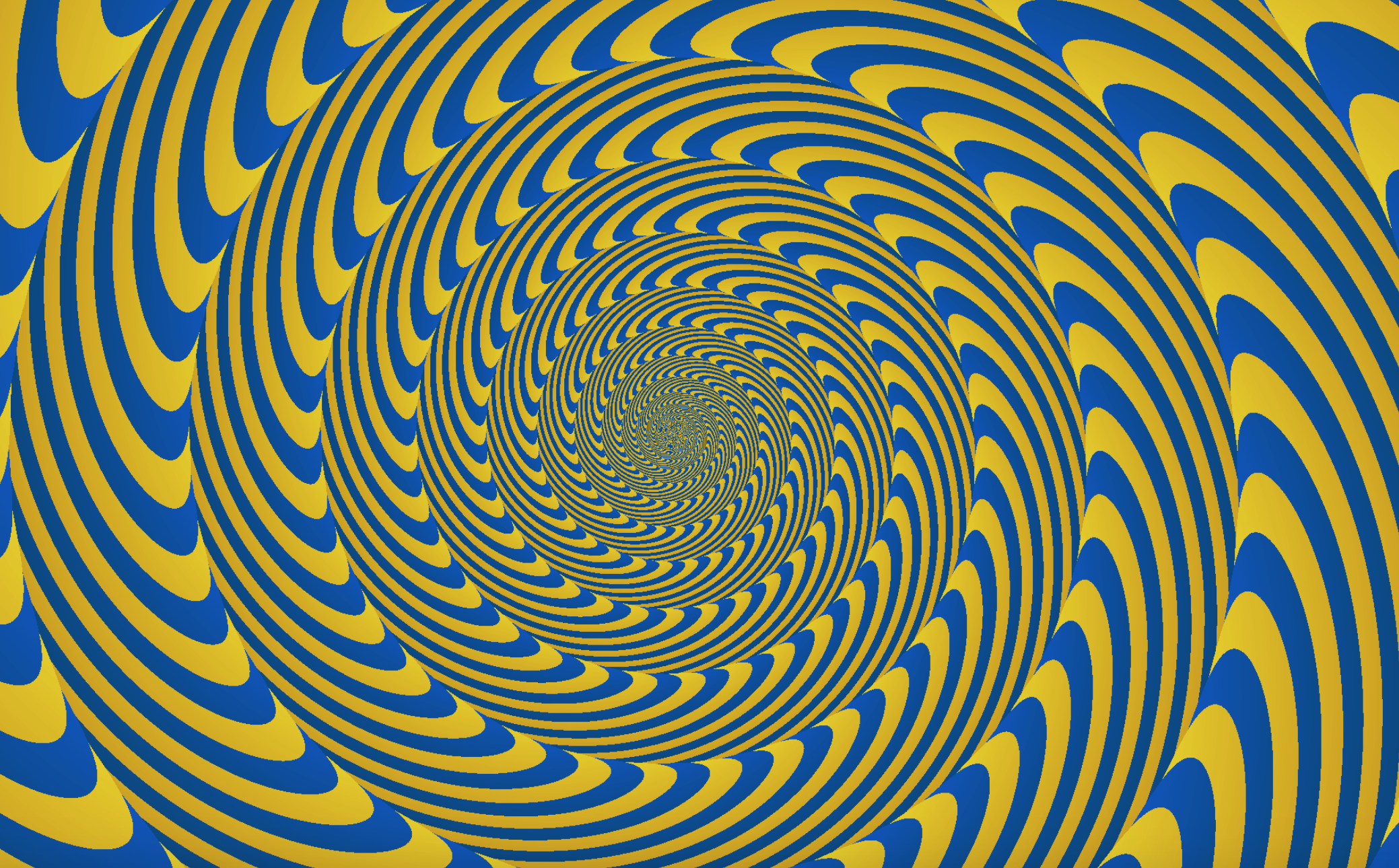
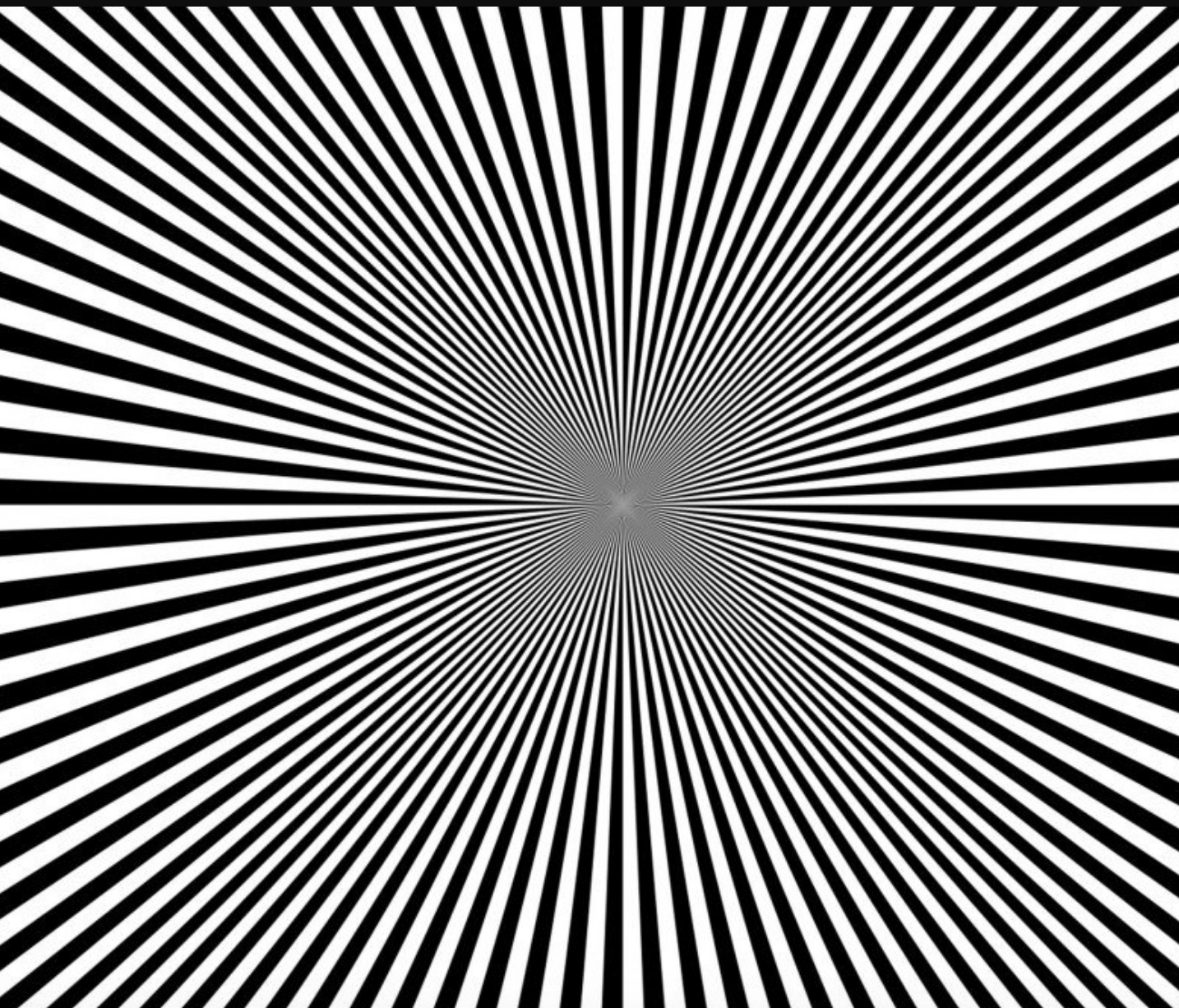
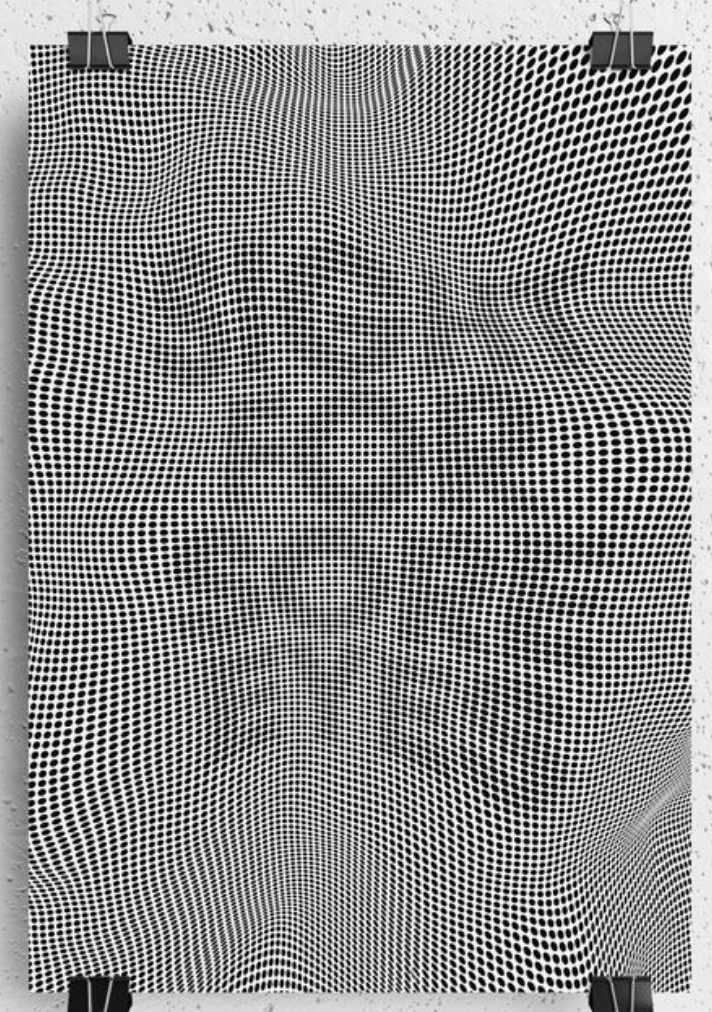
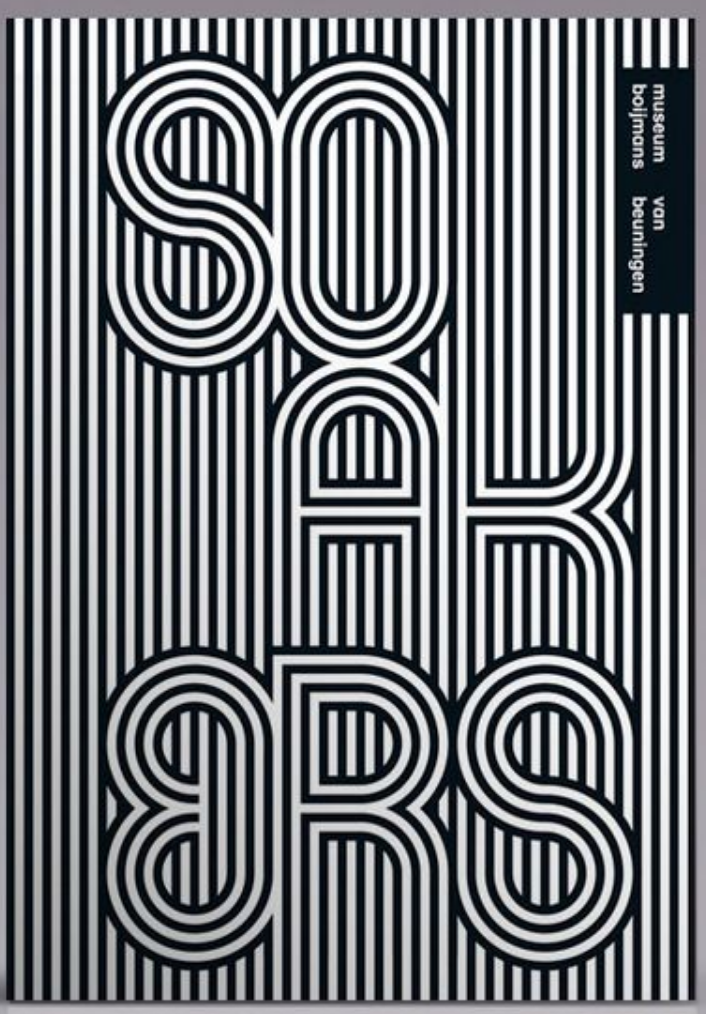
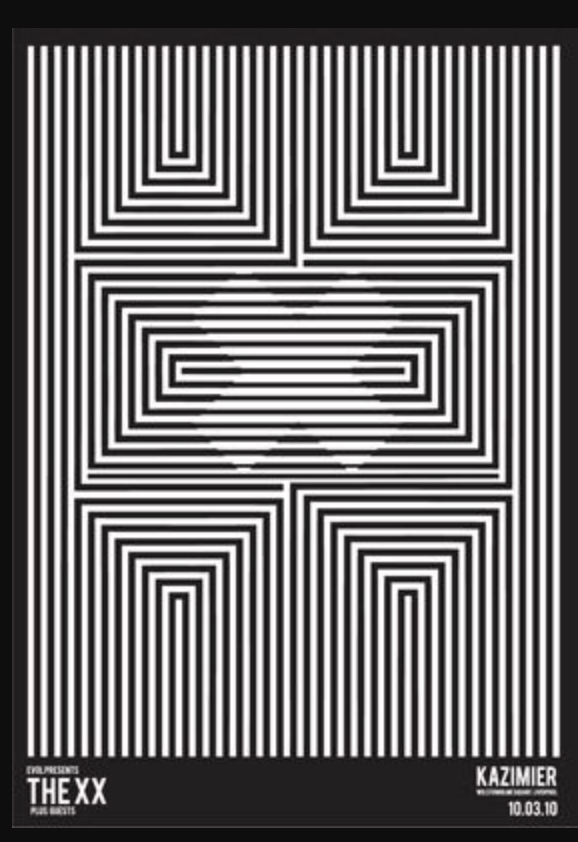
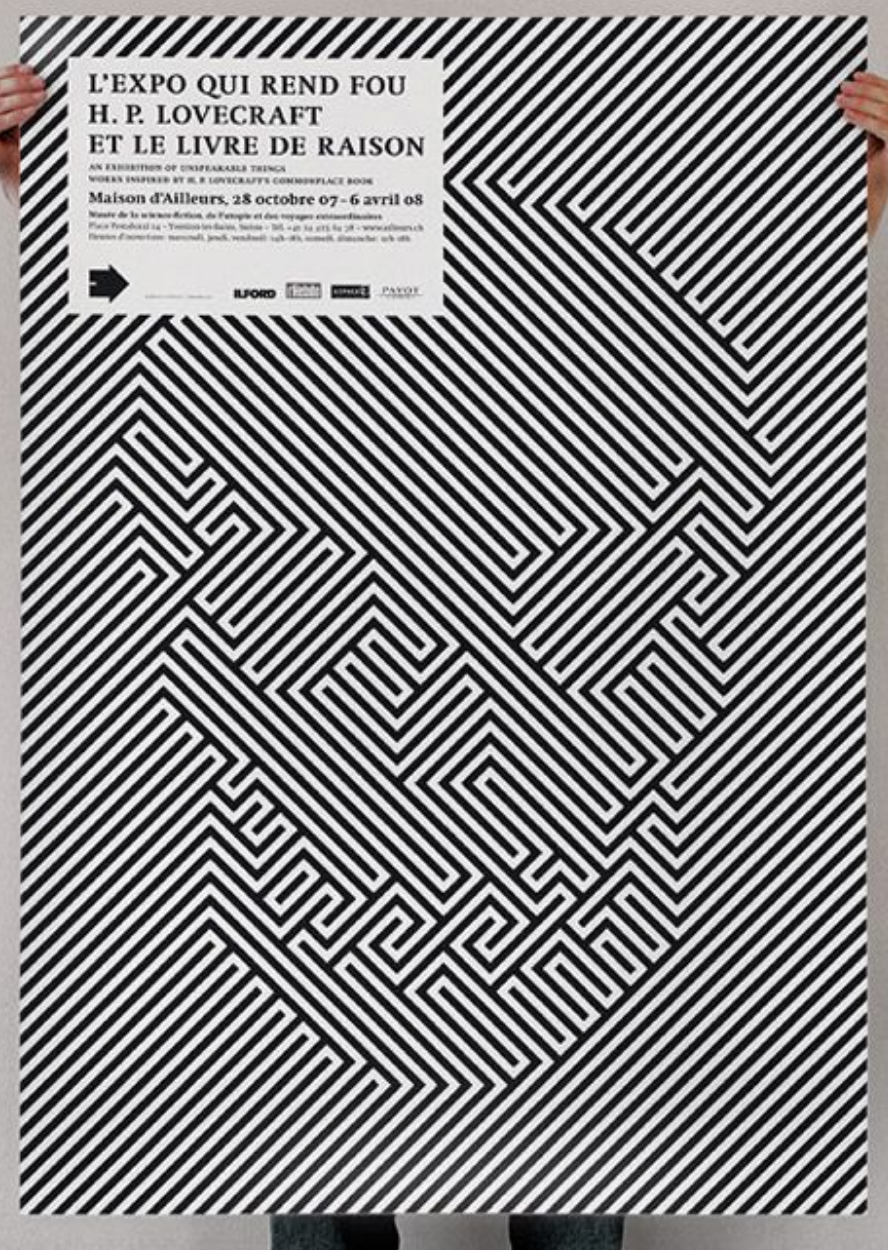
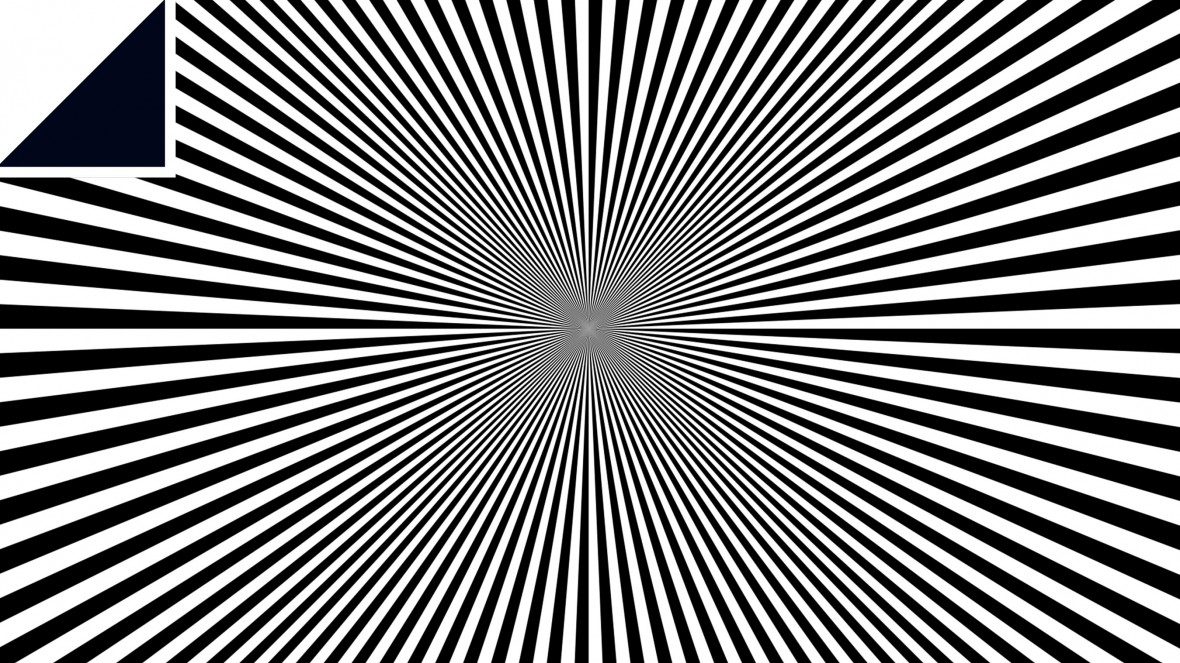
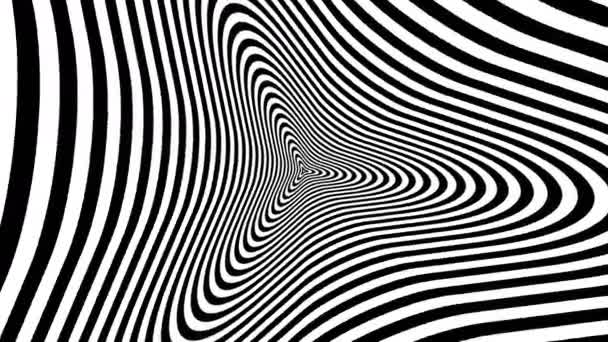
After figuring out the basic idea for my manifesto I looked up some simple illusions to find out what was the best style to use and found a variety of different styles of different colours

Personally I think using black and white is much more effective when used as a poster, although the colour may be eye-catching I think the colour plays with the eyes too much and makes it too hard to look at it for too long. It will also be easier to incorporate the text into it if i use a simple black and white. I also decided the two images on the right might be much harder to add the title to, and it might be more confusing and much harder to see and understand what it says when using a design like those which are more complicated.

I researched online to find other designs similar to the idea I was looking to create. The majority I found were in black and white, possibly because the visuals are already so confusing and adding other colours in seems to overcomplicate it and strain the viewers eyes a bit too much. Overall I think the simple designs, for example the bottom two are the most effective, they draw the viewers eye with strong visuals of the black and white and by rotating lines they can create an image inside the illusion which seems to blend in with the background but is also recognisable.

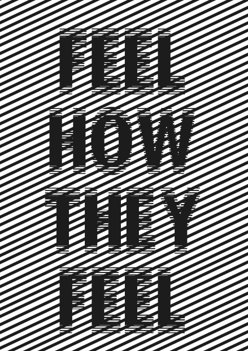
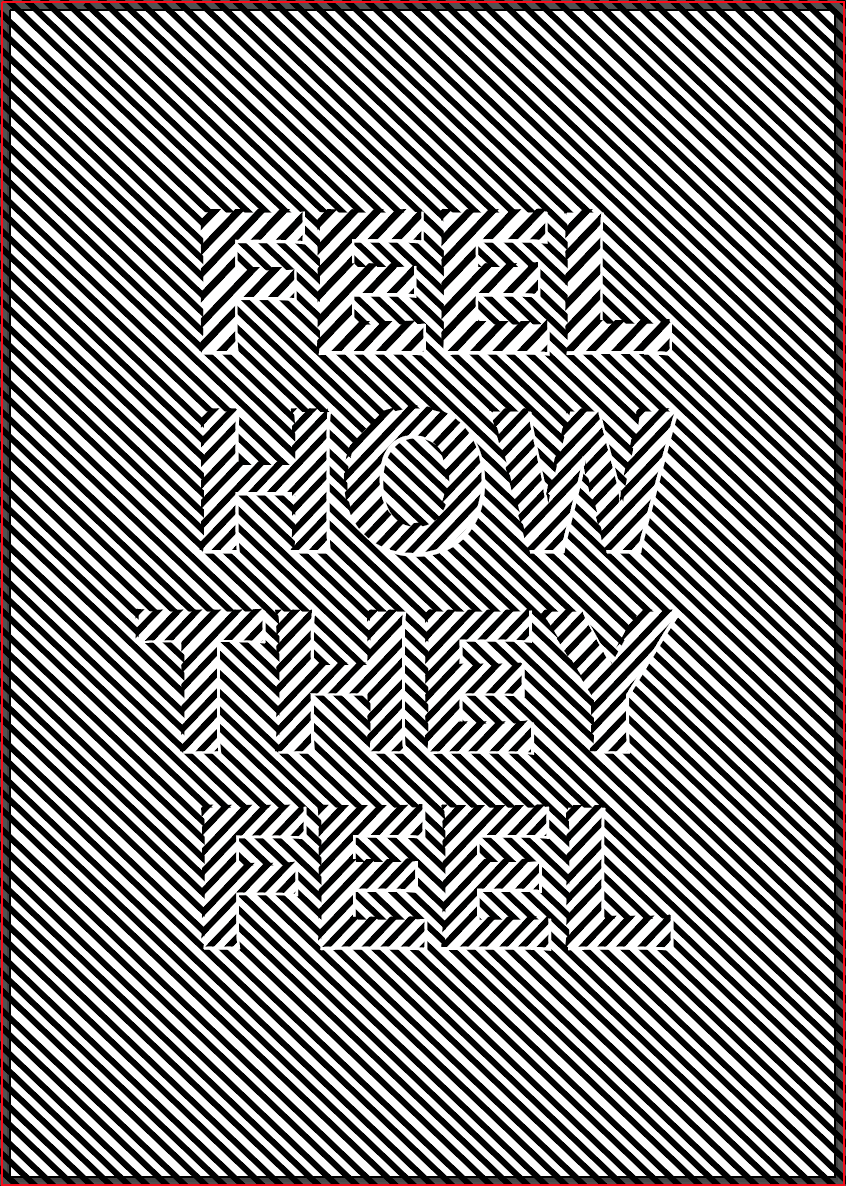
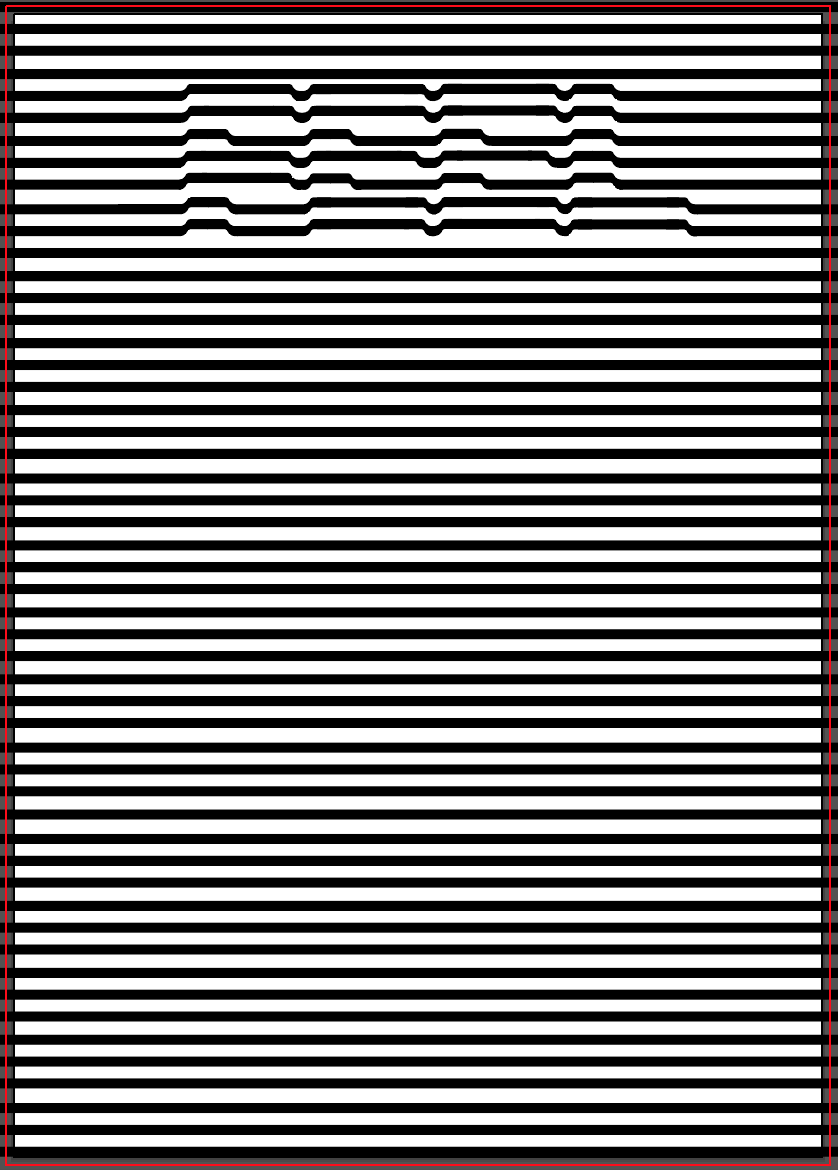
I then used illustrator to create a few simple designs based around this idea and added the title to it so it almost blends in and makes it hard to read for the viewer, adding an almost distorted look to it.

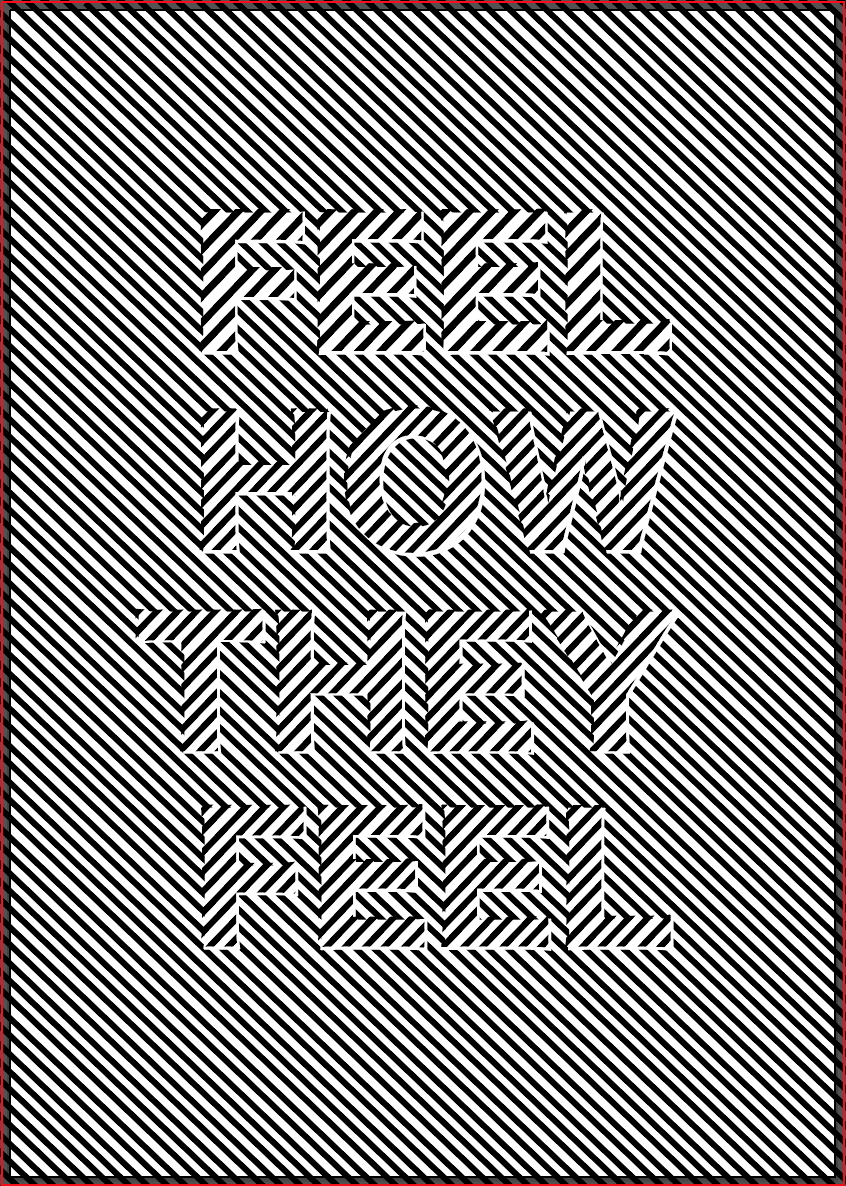
I attempted a few different styles of incorporating the text into the poster,The first of which was made to look like ‘feel’ is pushing out from under the ‘illusion’. The second was the idea I had during my sketches, using the lines rotated the opposite way to give the contrast and make the words stand out. I think the second variation is much more affective, the individual letters are slightly easier to read but they also blend into the background well and the contrast between the background and title is very effective. It portrays our idea of having to look deeper into something the find the hidden meaning, without hiding the ‘meaning’ or title completely.

https://cdn.technologyreview.com/i/images/arxivopticvalillustion.jpg?sw=1180&cx=0&cy=0&cw=2700&ch=1519

http://www.4usky.com/data/out/46/164398811-illusion-wallpapers.png

https://st3.depositphotos.com/3501323/15811/v/600/depositphotos_158116128-stock-video-optical-visual-illusion-entrance-to.jpg

Manifesto – Initial Ideas

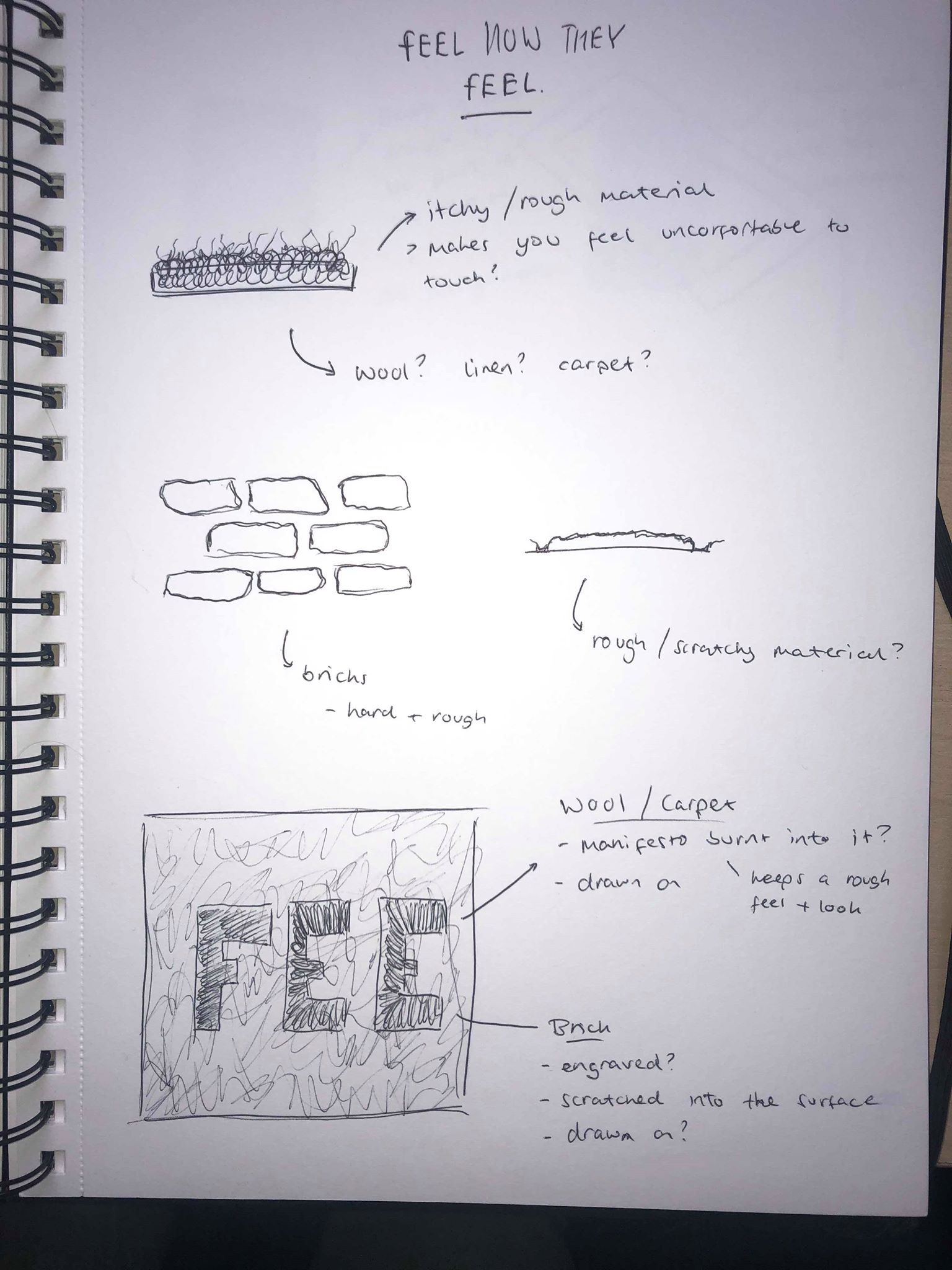
Our research backed up the overall idea of our manifesto that we wanted people to understand how people with mental illnesses are really feeling. The idea of the ‘feeling’ was one we looked much further into, spending a session as a group discussing a variety of ideas which experimented with the ideas ‘Feel How They Feel’, thinking about different materials and feelings which may make people feel a particular way. One of our most promising thoughts from Shannon was to experiment with the idea of using an itchy or rough material, which could represent the uncomfortable feeling someone with mental health could have, or similarly the idea that people don’t want to learn more about mental health because it makes them feel awkward or uncomfortable. We also thought the idea of feeling could be conveyed through the use of brail, or anything which the viewer would have to feel to gain an understanding of what it is or what it says.

I drew some initial sketches, the first of which being part of an itchy material, thinking about what materials might be similar, for example wool or any sort of carpet material which could feel rough or itchy. I also thought about a brick wall and it’s texture, it would feel rough and scratchy and isn’t the sort of thing you’d want to be feeling. Both of these ideas back up the idea of a texture which would make the audience feel uncomfortable to touch.

Although we had a variety of great ideas using materials and technologies through the use of materials, we decided there may be a problem with communicating the idea of our manifesto and describing it if we used that method. We also decided this idea may not quite have the same aesthetic as a poster or leaflet for example.

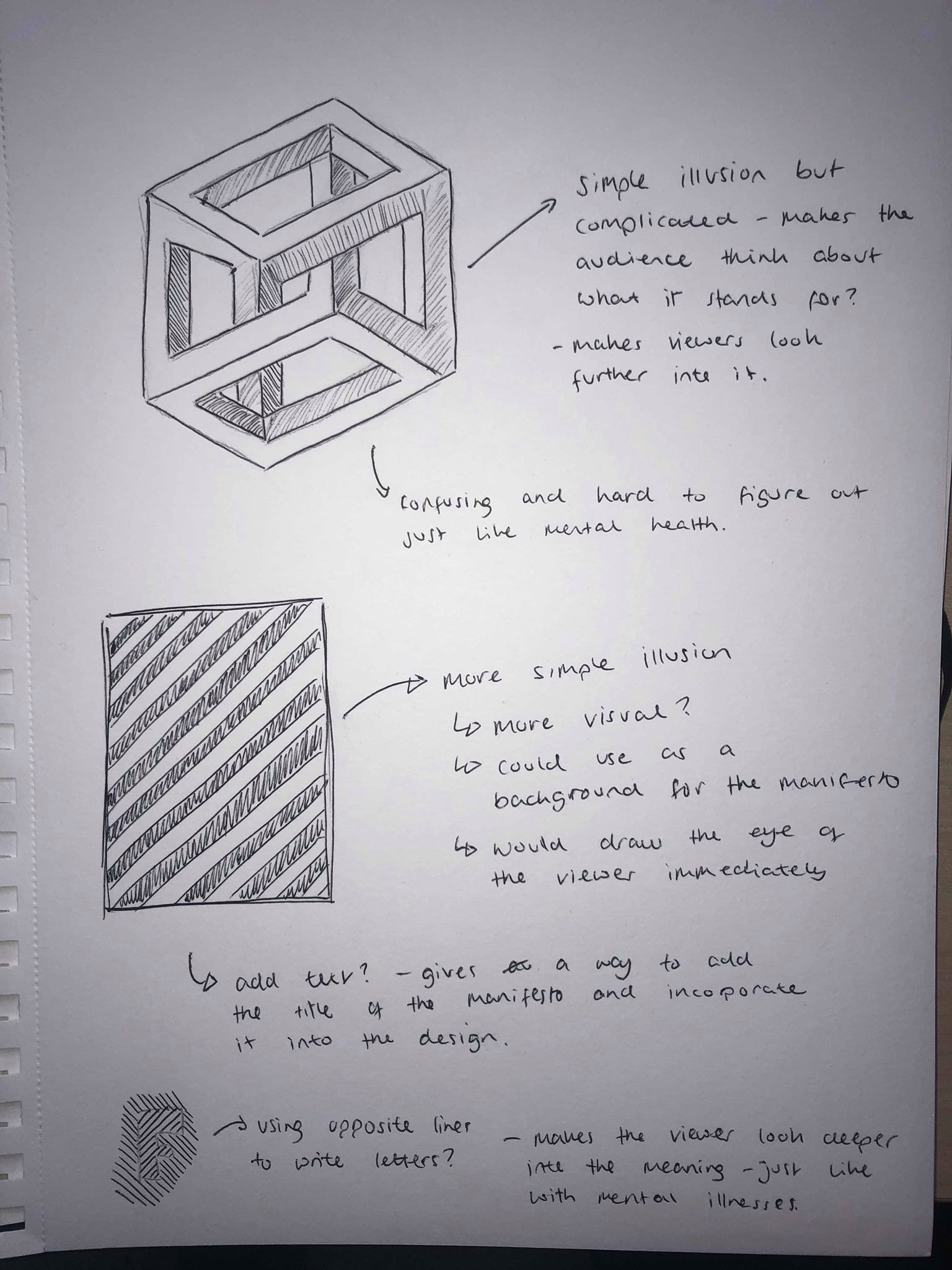
My idea was to keep with the idea of how it would make the viewer feel to look at our manifesto, and i came up with the idea to design a poster with a visual that would feel uncomfortable for the viewer to looks at, something that and thought some sort of optical illusion could work as they can make people feel like it’s moving, for example. I also thought a blurred or distorted visual which an illusion would bring, could link with the idea that the media has brought about a very blurred and distorted view of mental health problems.

I looked into different types of optical illusions and sketched out a few ideas. The first is one which is relatively simple but one which takes a lot of thinking about to understand. It’s interesting because it makes the reader have to look further into it to understand it. I thought about the connotations it has with mental health illnesses and how something can be so hard to understand and comprehend when sometimes it shouldn’t be.

I also looked at a traditional illusion with the black and white background, although the sketch doesn’t quite have such an impact, a digital version can play with the eyes of the viewer and make it seem like its moving. This was the effect I wanted to achieve for our manifesto as it keeps the same idea as the previous, but it’s much more visual and would draw the viewers eyes to it more than the previous sketch. It could also be used as a background because of this.

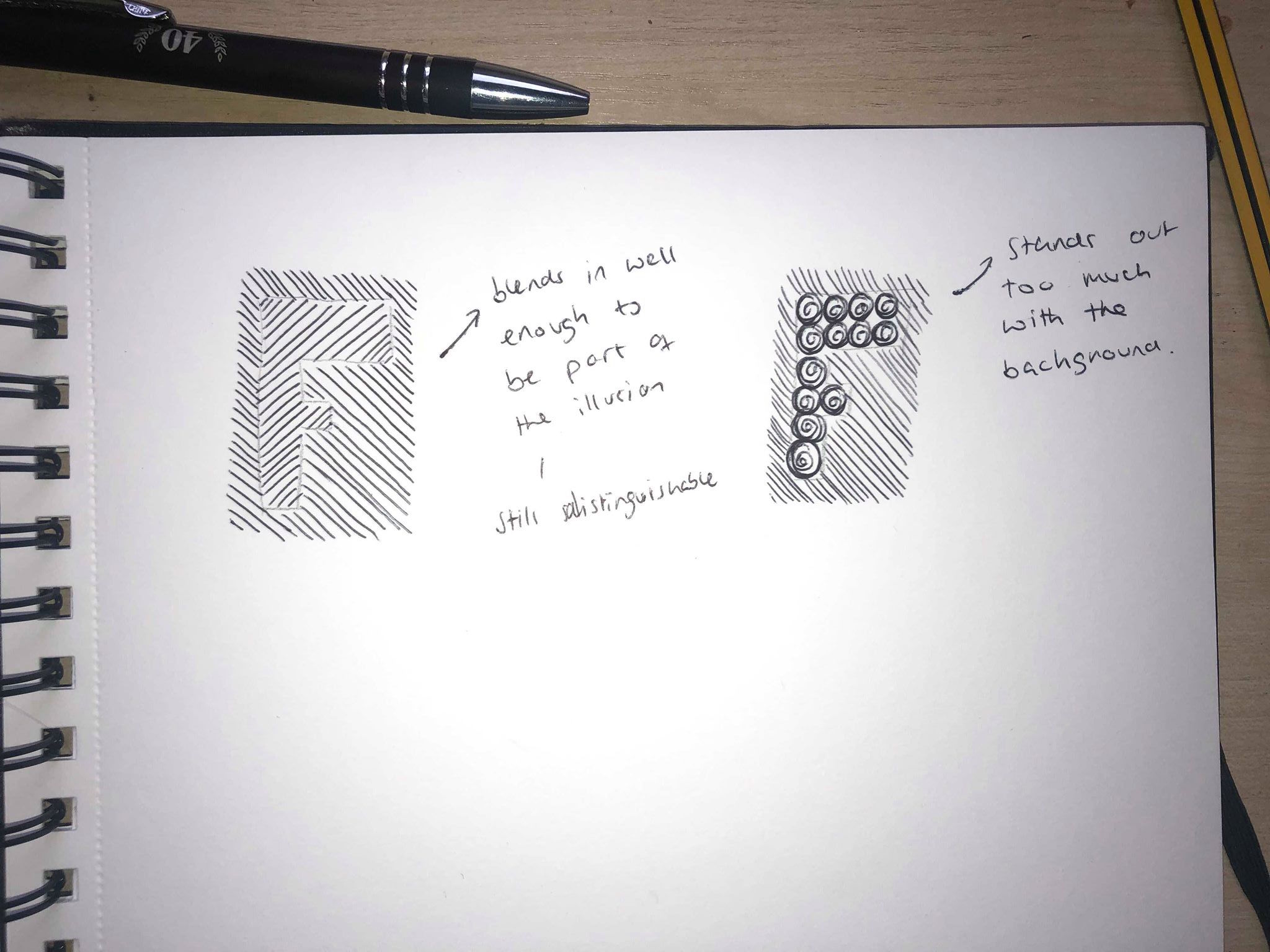
I decided the illusion was a great visual starting point and thought I could incorporate our title ‘Feel How They Feel’ into the illusion. I tried out a few different styles of incorporating the text into the illusion, one which blends into the background and the other stands out much more. I think the text blending into the background fits with the idea of our manifesto, the idea that you have to look further into something to understand the deeper meaning, or in this case how they’re feeling.

Manifesto – Research

After deciding on our manifesto, as a group we carried out research into other areas within the media in which mental health is portrayed. Our initial thoughts were to look into areas of mental health in the media that we think have been portrayed in a glamorised manor, so we could identify exactly what we thought was the issue.

Firstly, Shannon found a brand called ‘ban.do’ who released some controversial gold necklaces with words such as ‘depression’ and ‘anxiety’ on them. The company selling them stated when they were initially brought out that they were a way to open up about mental illnesses and not keep them bottled up, they were using the necklaces as a way to raise awareness. However, although many recognised the intentions were there, the majority of people were outraged and said that raising awareness should show just how demoralising and brutal it is to have one of these mental illnesses, not by a gold necklace which is designed to be “cool” or “pretty”. “My depression and anxiety and other mental illnesses are not your fashion statement.” and “It’s just a bit odd to walk around with the word depression literally in gold around your neck as if its some kind of wonderful label for us.” were just a few tweets in response. Others said wearing those words around your neck as a way to raise awareness could likely “exacerbate feelings of isolation even more”. People also said that people who may not necessarily suffer with a mental illness may wear the jewellery anyway, so there are worries that it may start up a trend for the wrong reasons.

Romanticising mental health issues feeds mental health stigma and creates false representations, for example, in the Netflix show ’13 Reasons Why’ mental health professionals are concerned of how the teen drama portrayed suicide to its young audience. The show depicts mental health issues, especially suicide, in a false way. Alexa Curtis explains in a Rolling Stone blog post that she found the aftermath of main character Hannah’s suicide troubling. In real life, when someone commits suicide, their story ends there. “’13 Reasons Why’ failed to end Baker’s story, since she lives on through the tapes. We become captivated by the drama of the suicide rather than the actual suicide itself.” However, many viewers argued that ’13 Reasons Why’ showed the brutal reality of suicide, but the creators still failed to shoe the viewers other ways of getting help, for example, like therapy.

We also spoke about the tv show ’13 Reasons Why’ and found out that there was a very mixed response to the tv show. Many felt as though the show portrayed a very wrong image of suicide to it’s viewers, the main issue being the fact that even after committing suicide, ‘Hannah’ never really died and stars in the remainder of the show as she lives on through the tapes. Many experts stated that with everything going on within the drama, people are forgetting that a girl has committed suicide, and are more interested in finding out about her life. This sparked a small debate within our group as an individual stated that there could also be the point of view that ‘Hannah’ does not stay alive, she just lives on in the memory of the other characters. Although this was a great point and we agreed, however after talking about it we all felt as though the harsh reality of the suicide was not really shown. The idea of someone committing suicide is very harrowing, however 13 Reasons Why was far too easy to watch and did not show how brutal the topic really is.

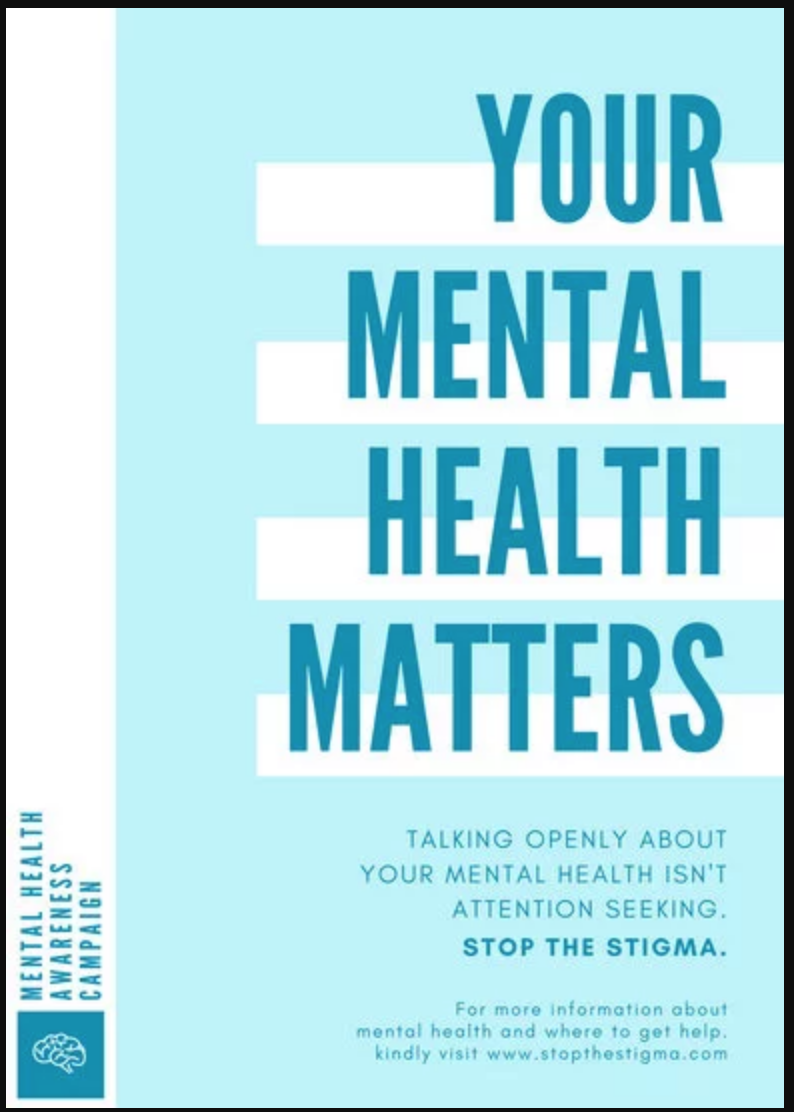
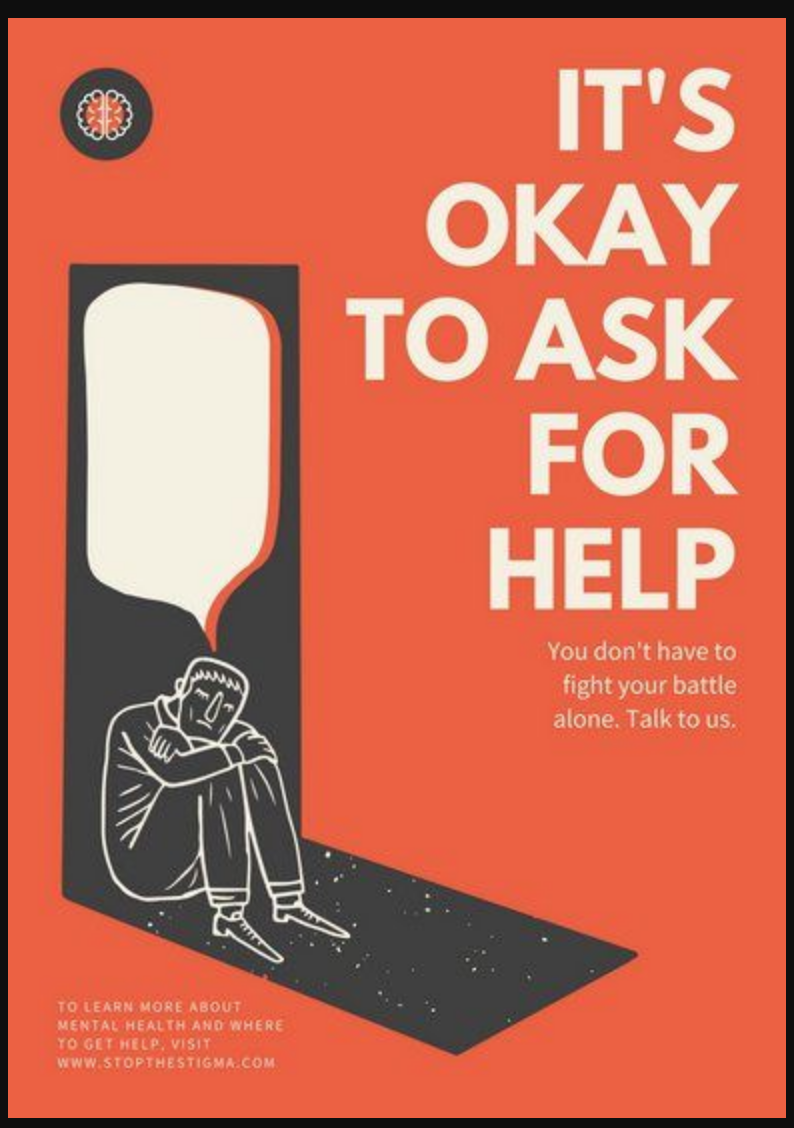
I then looked into existing mental health campaigns and found a variety of different designs.

The above images were just 2 examples which we found which just backed up our point. The posters above contain pastel colours which lower the mood and make you ‘think happier thoughts’, however sometimes when thinking about the topic of mental health, happier thoughts need to be left behind. The message on these types of adverts are all about showing people with mental illnesses that there is someone to turn to for advice, however we believe there isn’t enough advertising which aims to help people without mental illnesses understand how it feels. Our protest is all about telling people that mental health isn’t always as it is portrayed on the media, replacing ‘raising awareness’ with ‘promoting understanding’ as Shannon described it.

https://stopromanticizingthingsthathurt.weebly.com/the-romanticism-of-mental-illness.html

https://www.independent.co.uk/life-style/mental-illness-necklaces-bando-jewellery-brand-criticism-anxiety-depression-a8375476.html

https://www.cosmopolitan.com/entertainment/a20675573/13-reasons-why-criticism-problems/
Manifesto

After being given our groups, our first task was to decide upon a theme which we thought was worthy of protesting for. After discussions about what we individually felt strongly about, a reoccurring idea was mental health, and more specifically the way the media portrays mental health. For example TV shows such as 13 Reasons Why, or social media such a instagram and tumblr. We felt like the way all mental health is shown as a whole is not the way it should be shown to bring about change, and we therefor decided out protest would be about making people aware of mental health and the brutality and reality of it. We wanted to educate people and show them that mental health can be heart breaking and it isn’t always the glamorised version of it which we often see.

We were then tasked with creating our manifesto. As described above, the general idea of our manifesto was to portray mental health exactly how it is, not to romanticise or glamorise it. This led us to call our manifesto ‘Feel As They Feel’ as we thought the idea of making the viewer see or feel exactly as someone with a mental illness is feeling is a concept which would make people think a lot deeper into mental illnesses, and hopefully ring about change. The overall idea of our manifesto is as follows.

” The time has come for the reappraisal of how we feel mental health is portrayed. We, the undersigned have had enough of romanticised or miscommunicated presumptions of mental health and we believe that there should be a more realistic view. Down with illusion! Up with true representations! Using our design and illustration voices we intend to create awareness but to also present work that provokes a feeling that remains continuous. “

Design a site like this with WordPress.com
Get started